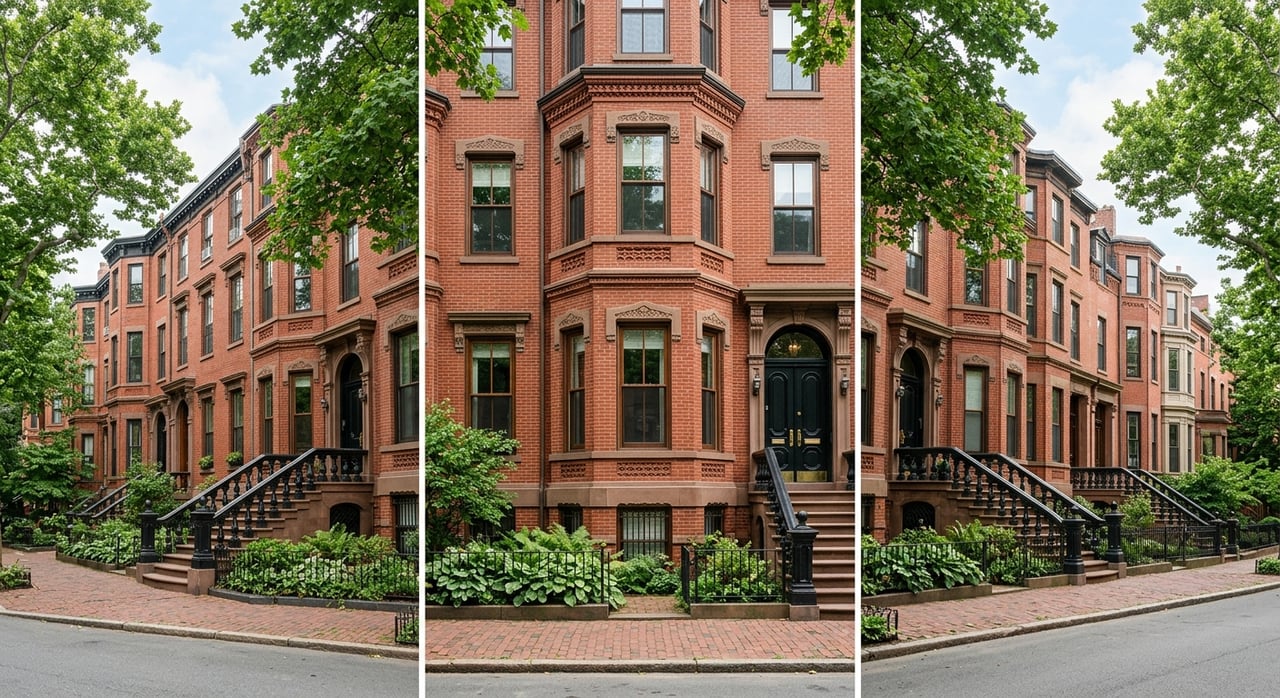
Wondering what daily life actually feels like when you own a townhouse in Boston’s South End? It is one thing to admire the brick facades, iron railings, and tree-lined blocks, and another to understand how the neighborhood works from morning coffee to evening plans. If you are considering buying, selling, or simply refining how you live in the South End, this guide will walk you through a full day shaped by architecture, walkability, and the practical realities of townhouse ownership. Let’s dive in.
Why South End townhouse life stands out
The South End offers a rare combination of historic housing and highly usable city living. Boston describes it as a central neighborhood just south of Back Bay, known for Victorian brownstones, a regular street grid, and roughly thirty parks. It is also recognized as the largest Victorian residential district in the United States.
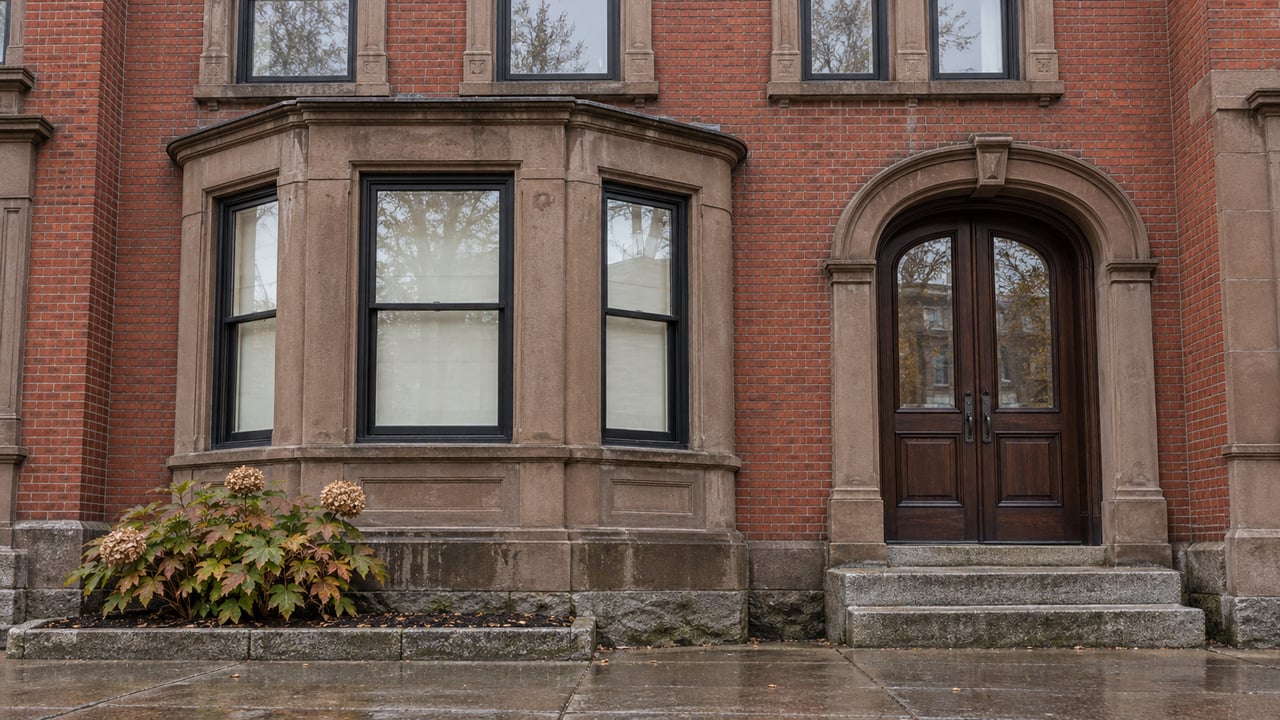
For townhouse owners, that setting creates a distinct experience. Your home is part of a cohesive streetscape of 19th-century red-brick rowhouses, and the neighborhood’s landmark status helps preserve that character over time. In practical terms, it means your block often feels visually consistent, elegant, and deeply tied to Boston’s architectural history.
Start the day close to home
One of the pleasures of South End ownership is how little effort it takes to begin the day well. You can step outside and reach a strong lineup of neighborhood coffee and breakfast spots within a short walk, which supports a routine that feels local rather than rushed.
Coffee options on your route
The South End has several reliable morning stops, each with a slightly different rhythm:
- The Buttery, 314 Shawmut Avenue, is a longstanding neighborhood favorite with specialty coffee, tea, pastries, biscuit breakfast sandwiches, dinner, and weekend brunch.
- Flour Bakery, 1595 Washington Street, opened its first bakery in the South End and currently lists weekday hours from 7 AM to 7 PM and weekend hours from 8 AM to 6 PM.
- Jaho Coffee & Tea, 1651 Washington Street, opens daily from 6:30 AM to 9 PM and offers coffee, tea, juices, smoothies, breakfast, and lunch.
- Calisto’s Deli, 682A Tremont Street, pairs hot breakfast sandwiches with fresh-brewed espresso and deli staples.
If you own a townhouse here, that variety matters more than it may seem. It supports a neighborhood pattern where your day can start on foot, without needing to plan around a drive or a long errand list.
Walk the parks before work
The South End’s greenspace network is part of what makes townhouse ownership feel balanced. Boston’s parks listings show a dense collection of neighborhood open spaces, including Blackstone Square, Franklin Square, Peters Park, Ringgold Park, Titus Sparrow Park, Union Park, Worcester Square, and O'Day Playground.
That park system changes the rhythm of daily life. Instead of treating outdoor time as a destination, you can fold it into your routine with a quick loop before work, a midday break, or an evening stroll after dinner.
Parks that shape the neighborhood
Several South End parks stand out in everyday use:
- Blackstone Square and Franklin Square are described by the city as classically designed open spaces.
- O'Day Playground has recently seen renovations.
- Peters Park is also part of the city’s ongoing improvement efforts.
For townhouse owners, these nearby open spaces help offset the density of urban living. They give the neighborhood breathing room and add another layer of value to the daily experience of being here.
Midday in a walkable district
By late morning, the South End shifts from quiet residential streets to a more active daytime neighborhood. Boston notes that Tremont Street, Columbus Avenue, Massachusetts Avenue, and Shawmut Avenue are the main corridors, with Tremont often framed as Restaurant Row and Shawmut known for boutiques and restaurants.
That mix is part of why the South End works so well for townhouse owners. You are not just buying a beautiful home shell. You are buying access to an established, walkable pattern of living where errands, meals, and casual plans can happen close to home.
SoWa adds art and design
SoWa Boston gives the South End another dimension beyond dining. It describes itself as the neighborhood’s Art + Design district, with restaurants, artist studios, galleries, home decor showrooms, and fashion boutiques in reclaimed industrial warehouse buildings.
Its open market is one of Boston’s largest open-air farmer and artist markets and, in the current season, runs on Sundays from May 3 to November 15, 2026, from 11 AM to 5 PM at 500 Harrison Avenue and Thayer Street. SoWa also highlights more than 20 galleries and its First Fridays program, when galleries and studios open to the public.
For an owner, this means the South End offers more than visual charm. It provides regular reasons to stay engaged with the neighborhood, whether you are browsing design showrooms, visiting galleries, or picking up market goods on a Sunday.
Boston Center for the Arts anchors the day
The Boston Center for the Arts is another important piece of South End life. Located in the historic South End, its campus includes the Mills Gallery, Calderwood Pavilion, Cyclorama, and studio spaces that support working artists.
It also reinforces how central the neighborhood is. The visitor information points to Orange Line access via Back Bay, the Green Line at Copley, Silver Line SL4 and SL5, bus 43 on Tremont Street, and commuter rail service through Back Bay Station.
The practical side of owning here
South End townhouse ownership is as much about stewardship as it is about lifestyle. The neighborhood’s landmark district standards note that exterior alterations visible from public streets and avenues are reviewed by the commission, with particular attention to facades and visible roof areas.
That matters if you are thinking about exterior updates. In a newer neighborhood, visible changes may be more straightforward. In the South End, the review process is part of preserving the architectural consistency that helps define the district.
What landmark review means for owners
If you own or plan to buy a townhouse in the South End, it helps to think of the exterior as part of a larger historic composition. The district is described as a cohesive collection of Victorian red-brick rowhouses, so visible work often carries more review than buyers expect at first.
This is not simply a restriction. It is also one reason the streetscape remains so intact, and why South End townhouse ownership continues to feel distinct from ownership in many other Boston neighborhoods.
Parking and transit affect daily decisions
The South End is usually easier to enjoy when you understand that it is not primarily a car-first neighborhood. Boston’s parking guidance explains that many residential streets are permit-only and that vehicles parked on restricted streets need a valid permit. In the immediate arts corridor, the Boston Center for the Arts notes that on-street parking is very limited.
At the same time, the area is well served by transit. The Silver Line 4 and 5 run along Washington Street through Roxbury and the South End, serving more than 24,000 bus riders each day, with bus and bike-only lanes on parts of the corridor.
For many townhouse owners, that combination supports a car-light lifestyle. You may still keep a vehicle, but daily life often works best when walking and transit do most of the work.
Evening plans close by
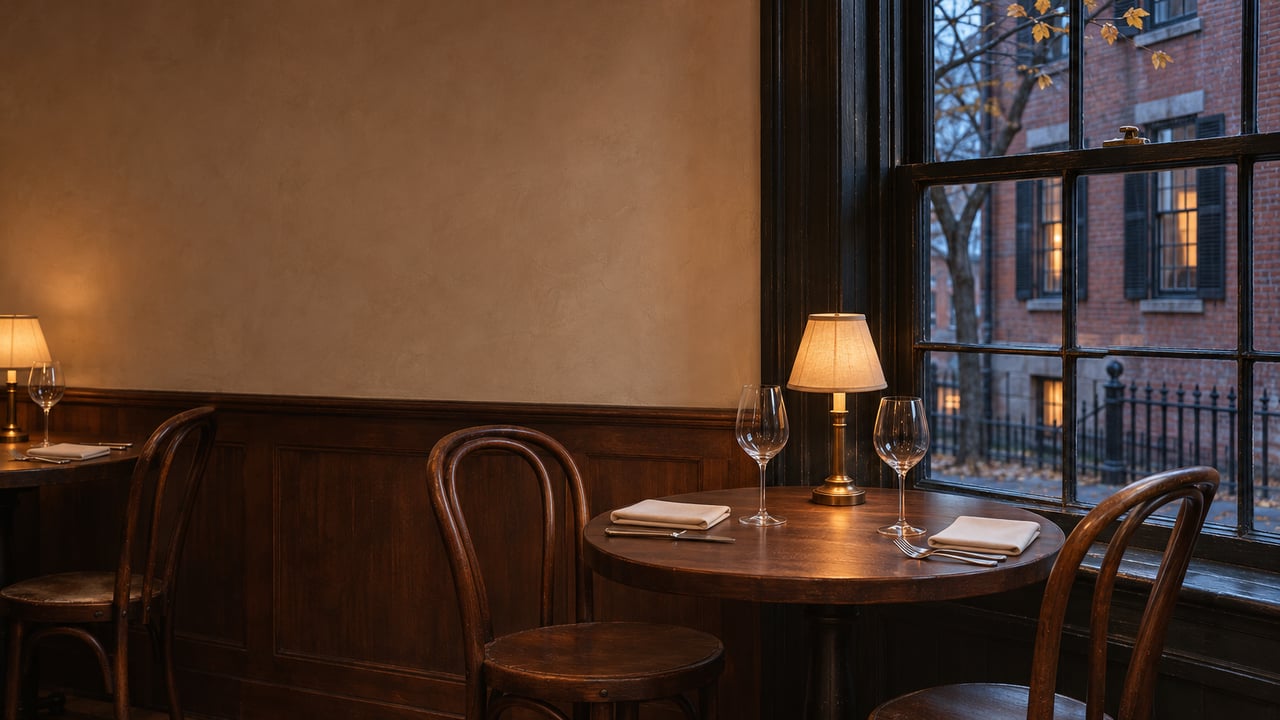
One of the strongest arguments for South End townhouse ownership appears at the end of the day. Instead of crossing the city for dinner or entertainment, you can stay within the neighborhood and still have range.
A few examples illustrate that variety:
- The Beehive, 541 Tremont Street, sits in the Boston Center for the Arts area and offers live music every day plus weekend brunch.
- Myers + Chang, 1145 Washington Street, is a well-known neighborhood dining option.
- B&G Oysters identifies itself as a South End oyster bar.
- Posto, 1357 Washington Street, serves dinner nightly and weekend brunch.
This is part of what makes townhouse living here feel complete. The South End supports a full day, from first coffee to late dinner, without asking you to leave the neighborhood’s orbit.
What this means for buyers and sellers
If you are a buyer, a South End townhouse offers more than square footage and façade appeal. You are also buying into a preserved historic setting, a dense amenity base, and a daily rhythm built around parks, coffee, dining, arts, and transit.
If you are a seller, that same lifestyle story is worth presenting with precision. In a neighborhood where architecture, block character, and walkability carry real weight, thoughtful positioning matters. The right strategy should show not only the home itself, but also how the South End supports refined, practical city living.
When you are evaluating a South End townhouse, details matter. The block, park access, main-corridor proximity, transit convenience, and any implications of landmark review all shape how a property lives and how it is perceived in the market.
For tailored guidance on buying or selling a South End townhouse, connect with Hanneman Gonzales for a confidential consultation.
FAQs
What makes South End townhouse ownership unique in Boston?
- South End townhouse ownership stands out because of the neighborhood’s preserved Victorian rowhouse character, landmark-district review for visible exterior changes, central location, and strong mix of parks, dining, arts, and transit.
What should South End townhouse buyers know about exterior renovations?
- Buyers should know that visible exterior alterations in the South End Landmark District are reviewed by the city, especially changes affecting facades and visible roof areas.
Is parking easy for South End townhouse owners?
- Parking can be limited because many residential streets are permit-only, and on-street parking is especially limited near the arts corridor.
Can South End townhouse owners live without driving every day?
- Yes. The neighborhood’s walkability, transit access, and concentration of daily amenities support a car-light lifestyle for many owners.
What are popular daily destinations for South End townhouse residents?
- Popular neighborhood destinations include coffee spots like The Buttery and Flour Bakery, parks such as Blackstone Square and Franklin Square, SoWa’s art and design district, the Boston Center for the Arts, and dining along Tremont Street and Washington Street.