Buying a multi-unit property in Boston can look straightforward on paper, then become far more complex once you dig into the details. You may be weighing rental income, an owner-occupied strategy, or a long-term value-add plan, but in this market, the numbers only tell part of the story. Boston’s housing stock, zoning rules, historic review, and local operating requirements all shape what a property is really worth. If you want to buy with confidence, it helps to know where the friction points are before you go under agreement. Let’s dive in.
Why Boston multi-unit buying is different
Boston is not a market defined by abundant new multifamily supply at the small-building level. According to the City of Boston, 40% of the city’s housing stock is in 2-4 unit buildings, and only 10% of its small-scale housing stock was built after the 1964 zoning code.
For you as a buyer, that usually means the best opportunities are older properties with character, complexity, and maintenance considerations. Instead of looking mostly at newer apartment buildings, you are often evaluating triple-deckers, brownstones, brick rowhouses, small mixed-use assets, and condoized 2-4 unit properties.
That older housing fabric is part of what makes Boston appealing. It also means every building needs to be studied on its own terms, especially if you are buying in neighborhoods with historic protections or distinct building patterns.
Know the property types you will see
Triple-deckers and small multifamily buildings
In neighborhoods like Dorchester and Mission Hill, triple-deckers are a defining part of the housing stock. These properties can offer strong utility as rentals or owner-occupied investments, but they often come with older systems, layered occupancy history, and ongoing compliance needs.
A 3-unit or 4-unit building may look manageable compared with a larger apartment asset. In practice, Boston’s housing code can make small multifamily ownership more operationally involved than many buyers expect.
Rowhouses and brownstones
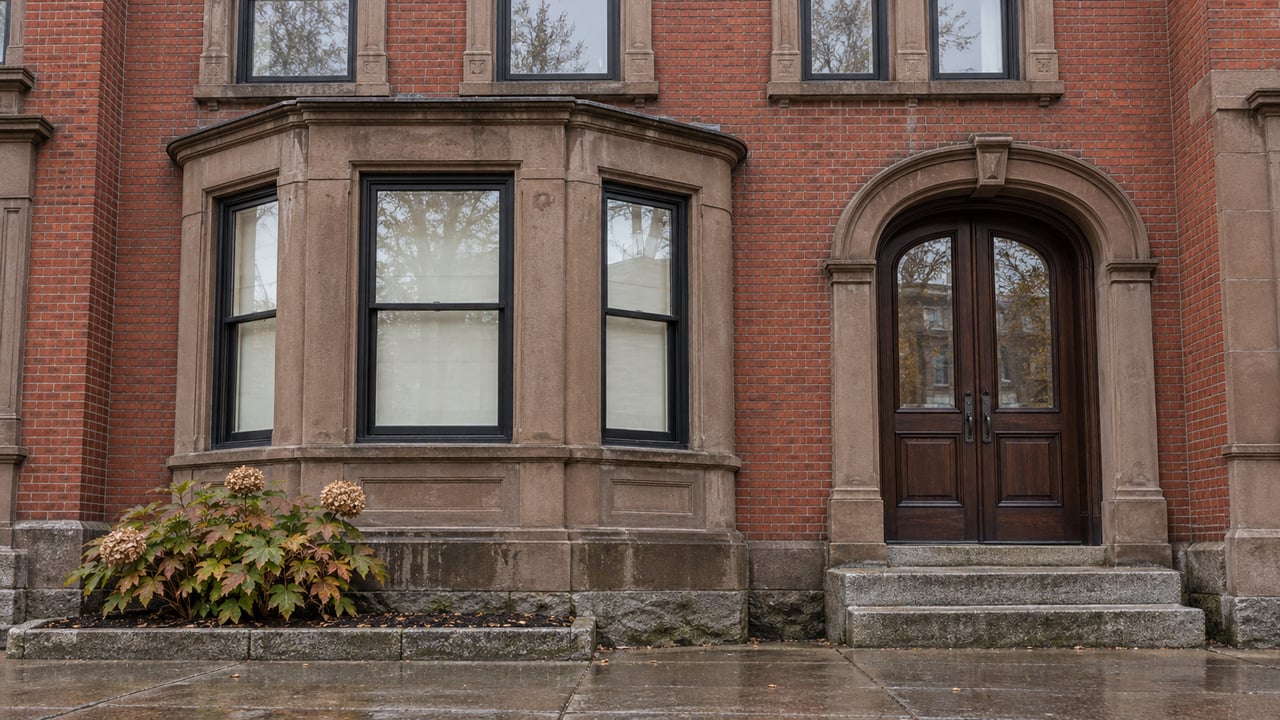
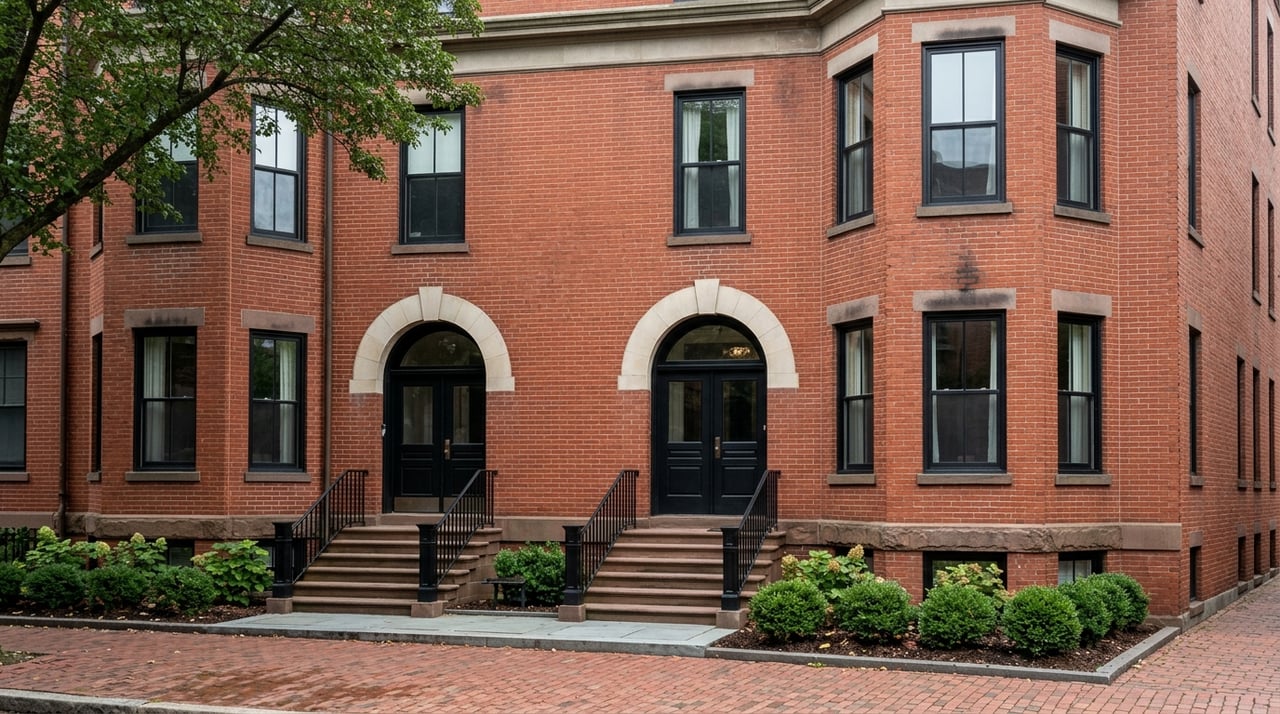
In the South End and Back Bay-adjacent areas, you are more likely to encounter rowhouses, brownstones, and other architecturally significant buildings. These properties can be especially attractive if you value long-term desirability, design, and resale appeal.
They can also require a more careful acquisition strategy. Exterior changes, additions, window replacements, roof decks, and visible alterations may involve design review before permits are issued in protected districts.
Condoized 2-4 unit opportunities
Some Boston buyers focus on condoized multi-unit properties because they can offer flexibility in use and exit strategy. Still, you should not assume a condoized structure removes the need for careful review.
You still need to confirm the legal setup, occupancy, expenses, and any restrictions that may affect your plans after closing. In Boston, the details matter more than the label.
Start with disciplined underwriting
A strong Boston acquisition starts with a unit-by-unit review, not broad assumptions. The rent roll is important, but it is only the beginning.
Before you buy, verify:
- Current rents
- Lease start and end dates
- Any concessions
- Arrears or payment issues
- Utility billing structure
- Reimbursements
- Informal occupancy arrangements
- The property’s legal occupancy and code alignment
This matters because a building that looks attractive based on gross income can perform very differently once you account for compliance, operating burden, and legal use. In Boston, those variables can materially change your underwriting.
Budget for Boston-specific operating costs
Rental registration is not optional
Boston requires annual rental property registration, with a July 1 deadline. The city charges $25 per unit for first-time registrations and $15 per unit for renewals, and registered properties are inspected at least once every five years.
That means registration should be treated as a recurring ownership cost, not a one-time administrative task. It also means you should understand the property’s compliance history before closing.
Housing code affects day-to-day expenses
Boston’s housing code can directly shape your operating budget. If the owner pays utilities, the code includes minimum heat standards that can influence both system choices and seasonal costs.
There are also building-size-related obligations. In buildings with more than three units, the owner must provide trash barrels. In buildings with two or more units, pest extermination responsibility falls on the owner. Common-area lighting, entries, stairways, and exits must also meet code.
For a buyer, the takeaway is simple: a small multifamily building in Boston often requires more active management than its scale might suggest.
Pay close attention to older-building risk
Lead compliance can affect your plan
Many Boston multi-unit properties were built before 1978. Under Massachusetts lead law, lead hazards in homes built before 1978 must be removed or covered if children under 6 live there, and owners cannot refuse to rent because of lead paint concerns.
If you are planning renovations, tenant turnover, or a leasing strategy that depends on quick execution, lead compliance can affect cost, scope, and timing. It is worth evaluating early, not after you have already modeled the deal.
Deposits and leasing rules changed
Massachusetts leasing rules also affect the economics of a newly acquired building. As of 2025, landlords cannot make tenants pay broker fees unless the tenant hired the broker directly. If the owner engaged the broker, the owner pays.
Security deposits remain capped at one month’s rent. They must be placed in a Massachusetts interest-bearing account, and the landlord should provide a statement of condition within 10 days.
These are not minor details. They influence leasing costs, tenant onboarding, and how you project near-term cash flow.
Review fair housing practices before closing
If you are buying an occupied property, you are not just acquiring the building. You are also stepping into its leasing and screening practices.
Massachusetts law prohibits housing discrimination, including source-of-income discrimination. That means advertising, screening standards, and lease practices should be reviewed before acquisition and again before any repositioning strategy.
For buyers planning upgrades or management changes, this is part of responsible due diligence. It protects both your operations and your long-term investment.
Verify zoning by address, not by assumption
Boston zoning is highly parcel-specific. You should not assume that a use, addition, or reconfiguration is allowed just because a nearby property appears similar.
The city’s zoning process distinguishes among base districts, sub-districts, overlays, and whether a use is allowed, conditional, or forbidden. If your strategy involves expansion, reconfiguration, or redevelopment, address-level verification is essential.
This is especially important in a market where small changes in unit count or layout can shift a project’s economics. A promising building only works if your intended plan is actually supportable.
Understand where redevelopment can get complicated
Historic districts add another layer
Historic review is a major consideration in parts of Boston’s core. The South End Landmark District, Back Bay Architectural District, Historic Beacon Hill District, Bay Village Historic District, and Mission Hill Triangle Architectural Conservation District all require review for certain exterior work visible from public ways, and in some cases rooftop work as well.
If you are buying a building with plans for façade upgrades, new windows, an addition, or a roof deck, you should treat that work as approval-sensitive. In these neighborhoods, design and entitlement are often part of the investment equation.
Condo conversion is its own process
If your strategy includes condo or co-op conversion, Boston has a separate ordinance with substantial tenant protections. It applies to certain properties built before December 1983 that have four or more rental units, or were assessed for residential use in 1983, or where the owner intends to convert the property.
Owners must obtain a Conversion Plan and a Conversion Permit, provide tenant notice, and pay fees of $1,000 per unit. Tenants may also receive lease extensions, a first right of refusal to purchase, and relocation benefits.
This is one reason experienced Boston buyers underwrite conversion potential carefully. It is not just an upside story. It is also a legal and financial commitment.
Added units can trigger new requirements
For buyers planning larger redevelopment, Boston’s inclusionary zoning rules now apply to market-rate projects with seven or more units. Key changes took effect in October 2024.
That means a project that starts as a small-building acquisition can move into a different regulatory framework if your plan includes adding enough units. Before you underwrite a major expansion, make sure you understand whether the threshold changes feasibility.
Match your strategy to the neighborhood
South End and Back Bay focus on preservation
If you are targeting premium historic product, the South End and Back Bay are obvious reference points. These areas often reward buyers who understand architectural value, presentation, and the slower pace of exterior approvals.
In practical terms, your edge may come from respecting the building’s original character while planning improvements that are realistic within the review process. Execution matters as much as vision.
Dorchester and Mission Hill often suit value-add plans
Dorchester and Mission Hill remain classic Boston multi-unit neighborhoods because of their concentration of triple-deckers and small multifamily housing. These properties can be compelling for owner-occupants and investors alike, but the right buy depends on how well you price legal, physical, and tenant-related complexity.
That means asking sharper questions about occupancy, systems, code, and near-term capital needs. Demand may be present, but not every building is equally easy to operate.
South Boston remains an important submarket
South Boston continues to stand out as a high-demand residential area with both historic and waterfront submarkets. For many buyers, it offers a mix of lifestyle appeal and investment potential.
As with other core neighborhoods, however, the best results usually come from careful underwriting rather than broad optimism. In a supply-constrained market, overpaying for unresolved friction can be hard to fix later.
Keep market context in perspective
Greater Boston remains a premium multifamily market. Colliers reported 7.0% vacancy in Q4 2025, up 30 basis points from the prior quarter, with rents at $3.19 per square foot and roughly 10,300 units under construction.
At the same time, Boston continues to trade as a high-liquidity, lower-yield market relative to many other metros. CBRE’s H2 2025 survey placed Boston multifamily infill cap rates at roughly 4.5% to 4.75% for stabilized assets and 4.75% to 5.5% for value-add deals.
For you, that means there is limited room for loose assumptions. In a market with compressed yields, the buyers who perform best are usually the ones who underwrite friction precisely and enter with a clear post-closing plan.
A practical approach to buying well
The most effective Boston multi-unit buyers tend to treat complexity as part of value, not as a surprise. They know that zoning, registration, historic review, lead compliance, leasing rules, and tenant protections can all shape returns.
If you approach the process with discipline, Boston offers compelling long-term opportunities across several distinct property types and neighborhoods. The key is to buy the real building, not the simplified version presented in a flyer.
If you are considering a multi-unit purchase in Boston and want a more strategic view of building type, neighborhood fit, and acquisition risk, Hanneman Gonzales can help you evaluate the opportunity with discretion and local insight.
FAQs
What makes buying a multi-unit property in Boston different from other cities?
- Boston has a high concentration of older 2-4 unit buildings, parcel-specific zoning, annual rental registration requirements, and neighborhood-specific issues like historic review that can materially affect how you underwrite a property.
What should you review before buying a Boston multi-unit building?
- You should review rents, lease expirations, concessions, arrears, utility structure, reimbursements, occupancy arrangements, legal use, registration status, code alignment, and any likely compliance or capital-cost issues.
What are Boston rental property registration requirements for multi-unit owners?
- Boston requires annual rental property registration by July 1, charges $25 per unit for first-time registrations and $15 per unit for renewals, and inspects registered properties at least once every five years.
How does historic district review affect Boston multi-unit properties?
- In certain Boston historic districts, exterior work visible from public ways, and sometimes rooftop work, requires design review before permits can be issued, which can affect timelines, cost, and project scope.
What should buyers know about condo conversion rules in Boston?
- Boston’s condo and co-op conversion ordinance can apply to certain older rental properties with four or more units and requires a Conversion Plan, a Conversion Permit, tenant notice, and per-unit fees, along with significant tenant protections.
Are tenants currently covered by citywide rent control in Boston?
- No. Boston describes rent stabilization as a home-rule petition submitted to the Legislature, not as an enacted citywide rent-cap system currently in force.
How should you think about neighborhood strategy when buying a Boston multi-unit property?
- Premium historic neighborhoods like the South End and Back Bay often require a preservation-minded approach, while areas like Dorchester, Mission Hill, and South Boston may present different value-add, operational, and building-specific considerations.