You can love Boston and still wonder if your next move belongs west of the city. For many buyers, this is not a simple city-versus-suburb question. It is a lifestyle decision shaped by how you want to live each day, what kind of home you want, and how much complexity you are willing to trade for space. This guide will help you compare Boston and MetroWest through the factors that usually matter most, from budget and housing type to commute patterns and school structure. Let’s dive in.
Start With Lifestyle First
If your ideal day includes walking to coffee, relying on transit, and spending less time on home upkeep, Boston often feels like the clearest fit. In the city core, density works in your favor when convenience is the priority.
Back Bay offers a strong example of that urban advantage. Its transportation profile shows a Walk Score of 97, Transit Score of 96, and Bike Score of 87. If car-free or car-light living is high on your list, Boston sets the baseline.
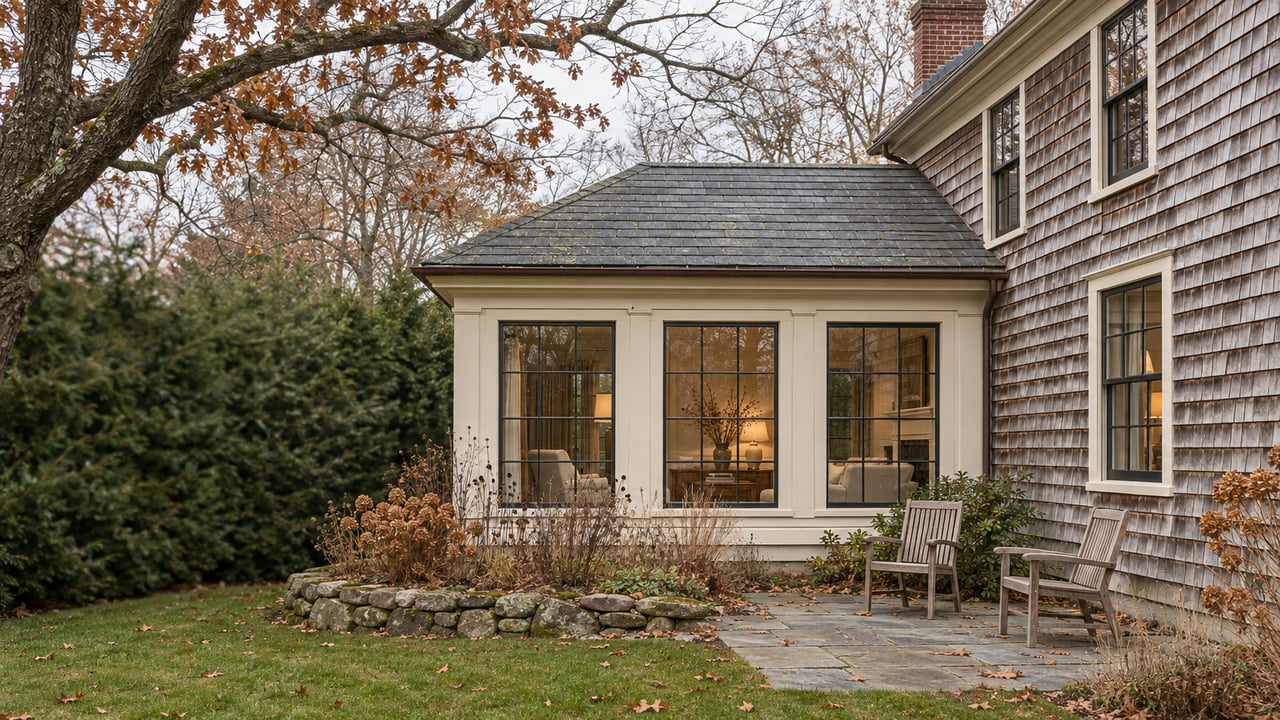
MetroWest usually appeals for a different reason. Buyers often look there when they want more separation between homes, more detached housing options, and more outdoor space. The shift is less about leaving the market behind and more about choosing a different rhythm.
Compare Prices Carefully
One of the biggest misconceptions in this decision is that MetroWest is automatically less expensive than Boston. In practice, that is not always true, especially in higher-demand towns west of the city.
Redfin’s March 2026 median sale price for Boston was $860,000. In premium central neighborhoods, the numbers move higher, with Back Bay at $1,434,000 and the South End at $1,367,500.
Several MetroWest towns sit in the same range or above it. Newton’s median sale price was $1,450,000, Wellesley’s was $1,825,000, Needham’s was $2,100,000, and Weston’s was $2,308,000.
The takeaway is simple: do not frame this choice as city equals expensive and suburb equals affordable. A more useful lens is value for your priorities. In Boston, you may pay for location, walkability, and lower-maintenance living. In MetroWest, you may pay for land, scale, and a different housing form.
Space Changes Meaningfully West of Boston
For many buyers, the real difference shows up in the physical footprint of the property. If outdoor space matters to you, the contrast between Boston and MetroWest can be substantial.
Representative listings in Back Bay and South Boston included lots around 1,040 square feet and 1,440 square feet. Those numbers reflect the compact reality of urban living, where the trade-off for location is often a smaller parcel.
In MetroWest, the step up in lot size is much more noticeable. Newton examples ranged from 3,885 square feet to 16,254 square feet. Needham examples included 6,970 square feet and 0.84 acres, while Wellesley examples included 0.36 acres and 0.6 acres. Weston examples included 1.0 acre and 1.64 acres.
This is a representative-listing comparison rather than a formal median lot-size study, but the pattern is clear. If you want a larger yard, greater setback, or a detached home with more privacy, west of Boston is often where that becomes more realistic.
Think About Your Commute Pattern
Commute conversations are often more revealing than budget conversations. The right choice depends less on distance and more on how you prefer to move through your week.
If you want the simplest daily routine, Boston usually has the edge. The city works well for buyers who want transit access built into everyday life and prefer the flexibility of walking, biking, or taking the T without much planning.
MetroWest can still work well for commuters, but it usually asks for more structure. Needham has four MBTA commuter rail stops and direct Route 95/128 access. Wellesley has three commuter rail stations on the Framingham-Worcester line, plus Catch Connect and MWRTA Route 1.
Weston also offers commuter rail access to North Station from Hastings and Kendal Green, with town-listed travel times of 30 to 31 minutes and 28 to 29 minutes respectively. Newton has stops on the Worcester/Framingham line plus Green Line service at Riverside, Woodland, Waban, Eliot, Newton Highlands, Newton Centre, and Chestnut Hill.
That means MetroWest is rarely disconnected. It is simply better suited to buyers who are comfortable planning around rail schedules or driving as part of the routine. Boston tends to suit buyers who want the least friction in day-to-day mobility.
Understand School Structure, Not Just School Names
If schools are part of your decision, the most useful comparison is structure. Boston and MetroWest organize public education differently, and that difference can shape how you evaluate a move.
Boston Public Schools uses a home-based assignment plan for grades K through 8 and offers citywide high school options. The district says most families will have about 10 to 14 school choices. Boston also has three exam schools: Boston Latin Academy, Boston Latin School, and the John D. O’Bryant School of Mathematics and Science, with admission requiring testing.
MetroWest districts tend to be smaller and more traditional local systems. Boston Public Schools enrolled 44,416 students in 2025 to 2026. By comparison, Needham enrolled 5,427 students across 8 schools, Wellesley enrolled 3,922 across 9 schools, Weston enrolled 2,079 across 5 schools, and Newton enrolled 11,461 across 22 schools.
Neither structure is inherently better. Boston may appeal if you value a broader set of options and are comfortable navigating a more layered system. MetroWest may appeal if you prefer a smaller, locally governed district model that feels more straightforward.
A Simple Way to Frame the Decision
When clients compare Boston and MetroWest, the clearest path is to rank your priorities in order. In this decision, lifestyle first, then budget, then commute and schools is often the most productive framework.
Ask yourself a few direct questions:
- Do you want daily walkability or more private space?
- Would you rather have a townhouse or condominium in a central neighborhood, or a detached home with a larger lot?
- Are you comfortable with commuter rail schedules or do you want a more seamless urban routine?
- Does a broader citywide school-choice model fit your needs, or does a smaller district structure feel easier to navigate?
- Are you comparing total value, not just headline price?
These questions tend to surface the real answer faster than broad assumptions about city versus suburb. Often, the decision becomes clear once you picture your normal Tuesday, not just your ideal Saturday.
Where Boston Often Wins
Boston is often the stronger match when you value convenience, density, and lower-maintenance living. It can be especially compelling if you want to stay close to core neighborhoods, rely on transit, and keep daily logistics simple.
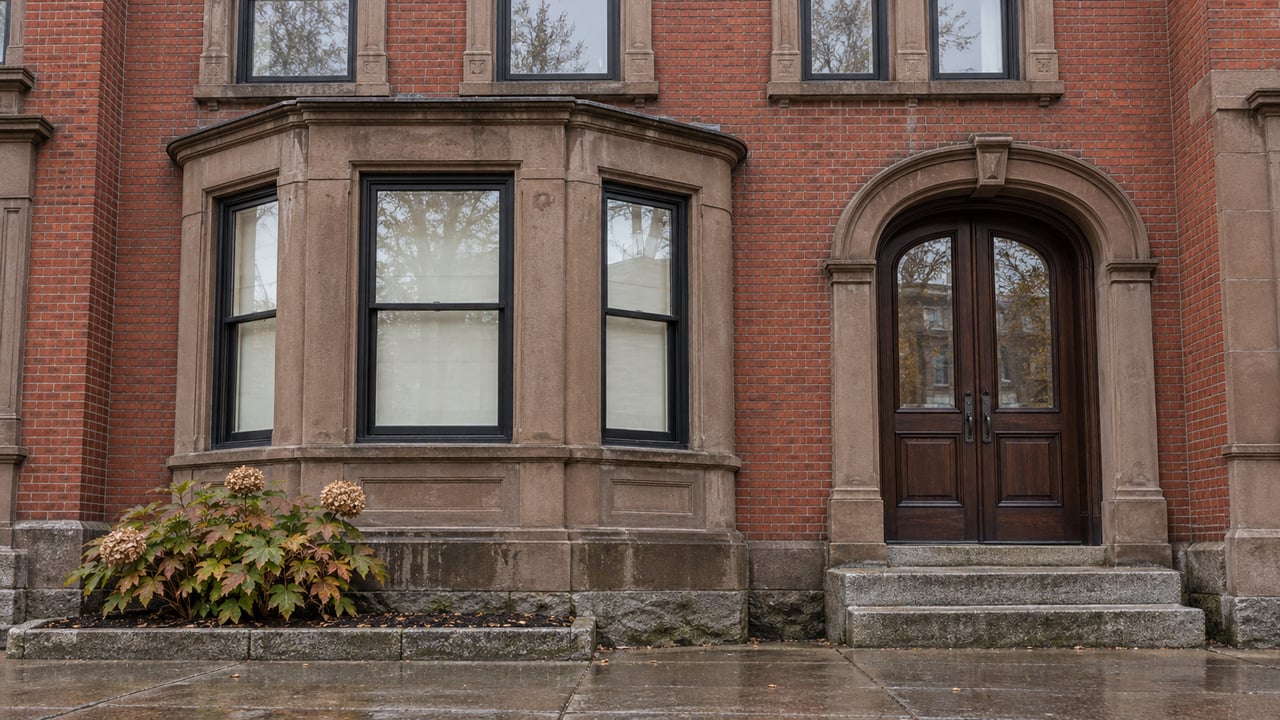
For buyers drawn to brownstones, luxury condominiums, and architecturally distinctive urban homes, Boston also offers a housing experience that is hard to replicate elsewhere. In neighborhoods such as the South End and Back Bay, the appeal is not only location. It is also the texture, scale, and style of the streetscape itself.
Where MetroWest Often Wins
MetroWest often becomes the better fit when space is the priority. That may mean a larger lot, a detached home, more room between neighbors, or a smaller local school district structure.
It can also make sense for buyers who do not mind planning around rail service or driving, especially if that trade-off creates a more comfortable home environment. The key is recognizing that MetroWest is not a compromise market. In many towns, it is a premium one.
The Best Move Is the One That Fits Your Life
The Boston versus MetroWest decision is rarely about which market is objectively better. It is about which environment supports the way you want to live now, and how you want your home to function over the next several years.
If you are weighing a move between central Boston and MetroWest, a tailored comparison can save time and sharpen your search. For discreet guidance on luxury homes, townhouses, condominiums, and strategic opportunities on both sides of that decision, connect with Hanneman Gonzales.
FAQs
What is the biggest difference between living in Boston and MetroWest?
- The biggest difference is usually lifestyle. Boston tends to offer stronger walkability, transit access, and lower-maintenance urban living, while MetroWest tends to offer larger lots, more detached homes, and a smaller-town feel.
Is MetroWest always cheaper than Boston?
- No. Based on March 2026 median sale prices, several MetroWest towns, including Newton, Wellesley, Needham, and Weston, were priced at or above many Boston neighborhoods.
How do Boston and MetroWest commutes compare?
- Boston is often easier for buyers who want a simple urban commute with strong transit access. MetroWest can work well too, especially in towns with commuter rail service, but it usually requires more planning around train schedules or driving.
How is Boston Public Schools different from MetroWest districts?
- Boston Public Schools uses a home-based assignment plan for grades K through 8 and offers citywide high school options, while MetroWest districts such as Newton, Needham, Wellesley, and Weston tend to be smaller, local district systems.
Is MetroWest better if you want more outdoor space than Boston?
- In many cases, yes. Representative listings show much larger lot sizes in towns like Newton, Needham, Wellesley, and Weston than in core Boston neighborhoods such as Back Bay and South Boston.
What should Boston-area buyers compare first when choosing between Boston and MetroWest?
- Start with lifestyle. Then compare budget, commute preferences, and school structure. That order often leads to a clearer and more practical decision.