Are you scrolling listings and wondering what really separates a brownstone from a townhouse in Boston? You are not alone. The terms get used loosely, yet the differences matter for how you live, what you pay, and how your home will perform on resale. In this guide, you will learn what each term means in Boston, how ownership structures change your costs and control, and which value drivers and due diligence items to watch closely. Let’s dive in.
Brownstone, rowhouse, townhouse: what they mean
Understanding the language is the first step to making a confident choice.
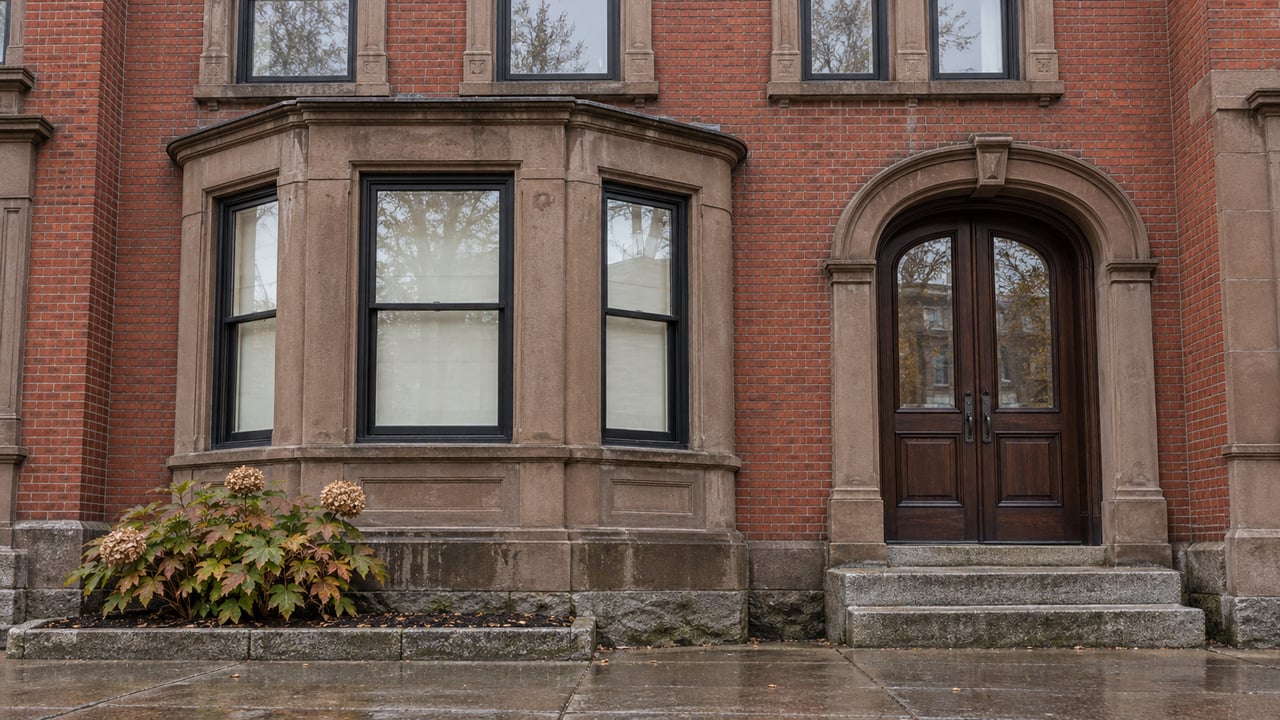
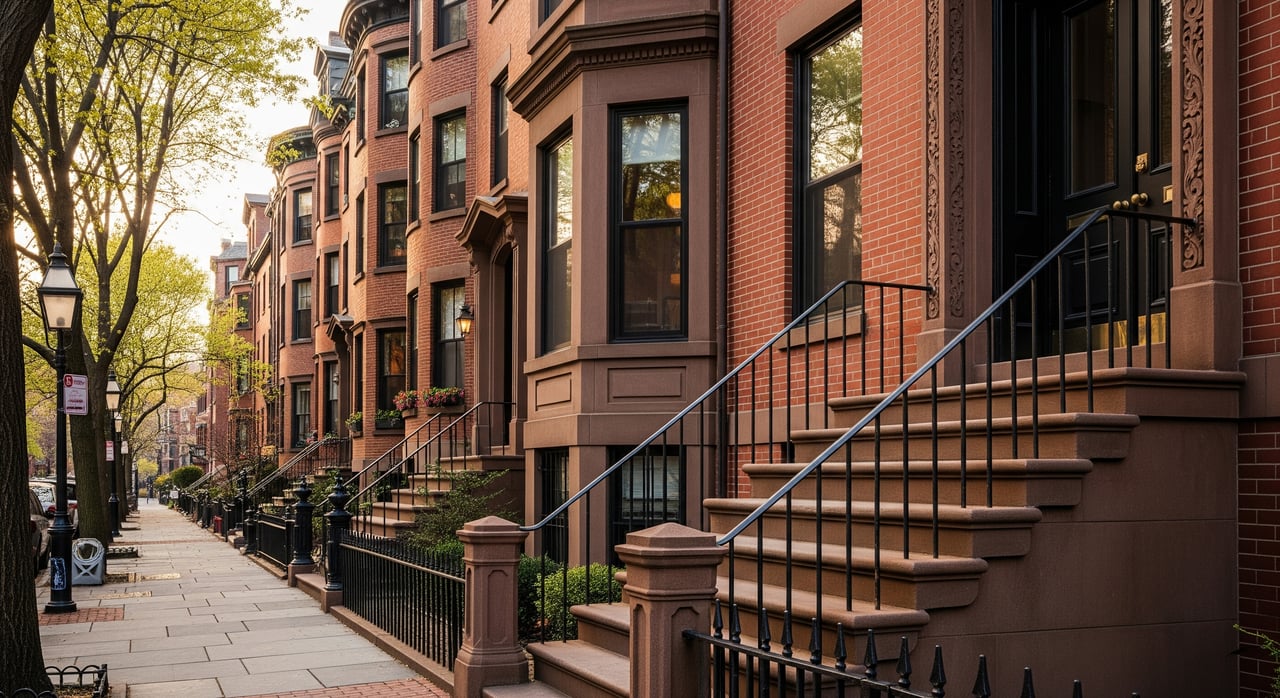
- Brownstone: A 19th century rowhouse clad in brownish sandstone or brick with brownstone trim, often with a raised stoop, tall parlor windows, carved details, and period interiors. You will find these most often in Back Bay, the South End, Beacon Hill, and parts of Bay Village and Charlestown.
- Rowhouse: A run of attached homes that share side walls and a consistent roofline. It describes the urban form, not the façade material. Rowhouses can be brick, brownstone, or other materials.
- Townhouse: A marketing and usage term that signals vertical, multi‑story living with a private entrance. The key is ownership. A townhouse can be fee simple, where you own the land and structure, or a condominium, where you own a unit and share common elements through an association.
In short, a brownstone is a type of rowhouse with a specific historic look, a rowhouse is the form, and a townhouse is form plus an ownership clue. Always verify the legal ownership before you make decisions.
Ownership drives your day‑to‑day
How a Boston townhouse or rowhouse is owned changes maintenance, monthly costs, financing, and control.
Fee simple overview
In fee simple ownership, you hold title to the lot and the building. You manage and pay for roof, façade, and systems directly. There is no third‑party association. Your deed is recorded at the Suffolk County Registry of Deeds. For many buyers, fee simple offers maximum control and fewer rules, but budgeting for big-ticket items is your responsibility.
Condominium basics in Massachusetts
Condominiums are governed by the Massachusetts Condominium Act, Chapter 183A. You own your interior unit plus an undivided interest in common elements such as the roof, exterior, and shared systems. An association manages the building under a Master Deed, Bylaws, and Trust. You pay monthly condo fees that support maintenance, master insurance, utilities in some cases, and reserves. Lenders review association budgets, reserves, rules, and any litigation, so healthy governance supports smoother financing and resale.
Co‑ops are rare
Co‑operatives exist in Boston but are less common in these rowhouse neighborhoods. If you encounter a co‑op, you buy shares in a corporation and receive a proprietary lease. Board rules and financials deserve careful review.
Practical differences you will feel
- Maintenance: Fee simple means owner pays and plans for repairs and upgrades. Condo means the association handles common areas and assesses costs through fees or special assessments.
- Monthly budget: Condo fees add a recurring line item, often covering exterior insurance and maintenance. Fee simple owners budget for these directly.
- Financing: Lenders scrutinize condos for reserves, special assessments, and litigation. Strong associations help mortgage approvals.
- Insurance: Condos carry a master policy for the building. Unit owners carry an HO‑6 for interiors. Fee simple owners carry a policy that covers the structure and liability.
Where you will find them in Boston
Boston’s core neighborhoods offer rich, distinct rows of historic housing. The architectural story varies by area.
Back Bay
Back Bay features monumental 19th century townhouses and brownstones built on a planned grid. Streetscapes are uniform and elegant. Many properties are single‑family or luxury condominium conversions. The combination of location and architecture supports strong values.
South End
The South End holds one of the largest collections of Victorian rowhouses and brownstones in the country. Many have been converted to condominiums and multi‑unit properties. The neighborhood’s building stock, commercial corridors, and transit access make it popular with end users and investors.
Beacon Hill
Beacon Hill showcases narrow, highly historic Federal and Greek Revival rowhouses on intimate, brick-lined streets. Strict historic controls maintain the look and feel. Homes often have smaller footprints and stair-rich layouts with high character.
Bay Village, Charlestown, South Boston, North End
Each of these areas includes notable rows of attached housing. Materials and conversion histories vary by block. Some streets feature brick or brownstone façades, others clapboard. Verify whether units are fee simple or part of a condo association, since both are present.
Historic districts and approvals
Boston’s historic districts add important context for any brownstone or rowhouse.
- Design review: Beacon Hill, Back Bay, the South End, and other districts require approvals for exterior work such as windows, stoops, façades, and rooflines. Expect specific material standards and professional methods.
- Impact on projects: Permitting timelines may be longer and construction costs higher due to specialized materials and skilled contractors. Plan early and allow for review steps.
- Value protection: Preservation guidelines help maintain streetscape continuity, which can support values over time.
Zoning, conversions, and usable space
Understanding Boston’s zoning and building code helps you assess both current function and future potential.
- Use and density: The Boston Zoning Code regulates single‑family, two‑family, or multi‑family use. Converting a single‑family to multi‑unit or the reverse may require zoning relief and building code upgrades.
- Basements and cellars: Turning a basement into living space requires proper egress, ceiling height, and fire separation. This affects advertised square footage and value.
- Mechanical retrofits: Older brownstones may not have central air or modern HVAC. Adding or upgrading systems in a historic envelope requires careful planning and can be costly.
What drives value in Boston rowhouses
The elements below often determine price and how fast a property trades.
- Location and access: Proximity to transit, parks, and commercial corridors adds premium.
- Architectural integrity: High ceilings, original moldings, fireplaces, and well-preserved façades attract buyers.
- Layout and usability: Functional floor plates, legal and comfortable lower levels, and potential for an addition can help value.
- Condition and systems: Updated kitchens and baths, sound electrical and plumbing, and efficient HVAC resonate with today’s buyers.
- Outdoor space and parking: Roof decks, patios, small yards, or deeded off-street parking are scarce and prized.
- Historic status: Designation can stabilize values but limits certain renovations. Plan within the rules.
- Ownership clarity: Clean title, healthy condo associations, and clear use rights support financing and resale.
Common buyer concerns to plan for
Buying a brownstone, rowhouse, or townhouse means understanding a few recurring themes.
- Stairs and accessibility: Multi‑level living is standard. Consider long-term mobility needs.
- Moisture and foundations: Older structures can see basement moisture or settlement. Waterproofing and drainage are key.
- Pre‑1978 materials: Lead paint and asbestos may be present. Testing and remediation planning help you manage risk, especially if you intend to renovate.
- Sound transmission: Shared party walls can carry sound. Construction quality and upgrades matter.
- Permitted renovations: Historic district approvals and building permits affect timelines and budgets.
- HOA health: In condos, review reserves, special assessment history, rules, and any litigation.
Due diligence checklist for Boston buyers and sellers
A focused review helps you avoid surprises and negotiate from strength.
- Documents: Deed and title report, and if a condo, the Master Deed, Bylaws, and Trust. Review the current budget, reserve study, insurance certificate, meeting minutes for the past 12–24 months, and any planned or recent special assessments.
- Permits and records: Building permits, certificates of occupancy, and documentation of major renovations.
- Taxes and utilities: Property tax history and recent utility bills if systems are shared.
- Historic status: Any landmark designations, district requirements, or preservation restrictions.
- Inspections: General home inspection, pest inspection, waterproofing evaluation, HVAC and electrical capacity checks, plumbing review, and testing for lead paint or asbestos if you plan to renovate.
- Association governance: For condos, confirm what the fee covers, reserve balance, rental and pet policies, alteration rules, and insurance scope.
- Key questions: Any unresolved code violations or litigation, planned capital projects, party‑wall agreements, and the process followed for past exterior work in historic districts.
Brownstone or townhouse: which fits your goals
Use your lifestyle and financial preferences to guide the choice.
- Choose fee simple if you want maximum control over exterior decisions, prefer to manage maintenance directly, and can budget for large capital items.
- Choose a condo townhouse if you favor predictable monthly fees, shared exterior maintenance, and clear association rules, especially in larger buildings or multi‑unit conversions.
- Prioritize location and layout if you value daily convenience and livability. In tight markets, the right block and a functional floor plan can matter more than the façade material.
- Account for the district if you anticipate renovations. Plan timelines and costs with historic approvals in mind.
Selling a Boston rowhouse or townhouse
A strategic preparation plan can elevate your outcome.
- Invest where it counts: Updated kitchens and baths, reliable mechanicals, and a finished lower level with legal egress tend to resonate. Restored period details add emotional pull.
- Package the story: Professional photography that captures the stoop, façade, and parlor-scale rooms showcases what buyers value.
- Disclose and organize: If a condo, have association documents and recent minutes ready. Provide maintenance records and permits. Clear, complete documentation builds buyer confidence and supports price.
- Price with ownership in mind: Condo fee levels, reserves, and association health affect comparables. Fee simple control can command a premium for some buyers.
Partner with a team that knows the blocks
Selecting and positioning a brownstone or townhouse in Boston takes local fluency and disciplined marketing. If you want discreet guidance on ownership structure, historic approvals, and the value signals that matter on your street, connect with a team that brings both boutique service and broad market reach. For a confidential conversation about your plans, contact Hanneman Gonzales.
FAQs
What is the difference between a brownstone and a rowhouse in Boston?
- A brownstone is a rowhouse with brownstone cladding and period details like stoops and tall parlor windows. A rowhouse refers to the attached form regardless of façade material.
What does “townhouse” mean on a Boston listing?
- It often indicates multi‑level, single‑family style living with a private entrance, but ownership can be fee simple or condominium. Verify the deed and Master Deed.
How do condo fees work in Boston townhouse condos?
- Monthly fees fund common maintenance, a master insurance policy, and reserves. Review budgets, reserves, and special assessment history for a clear picture.
Do historic districts limit renovations on brownstones?
- Yes. Exterior changes in districts like Back Bay, the South End, and Beacon Hill usually require approvals and specific materials, which can add time and cost.
Are basements in Boston rowhouses always legal living space?
- No. Legal living space must meet code for egress, ceiling height, and fire separation. Confirm permits and compliance before relying on lower-level square footage.
Is fee simple or condo better for resale value?
- Both can perform well. Strong locations, architectural integrity, functional layouts, and healthy association governance, if a condo, are usually the bigger value drivers.