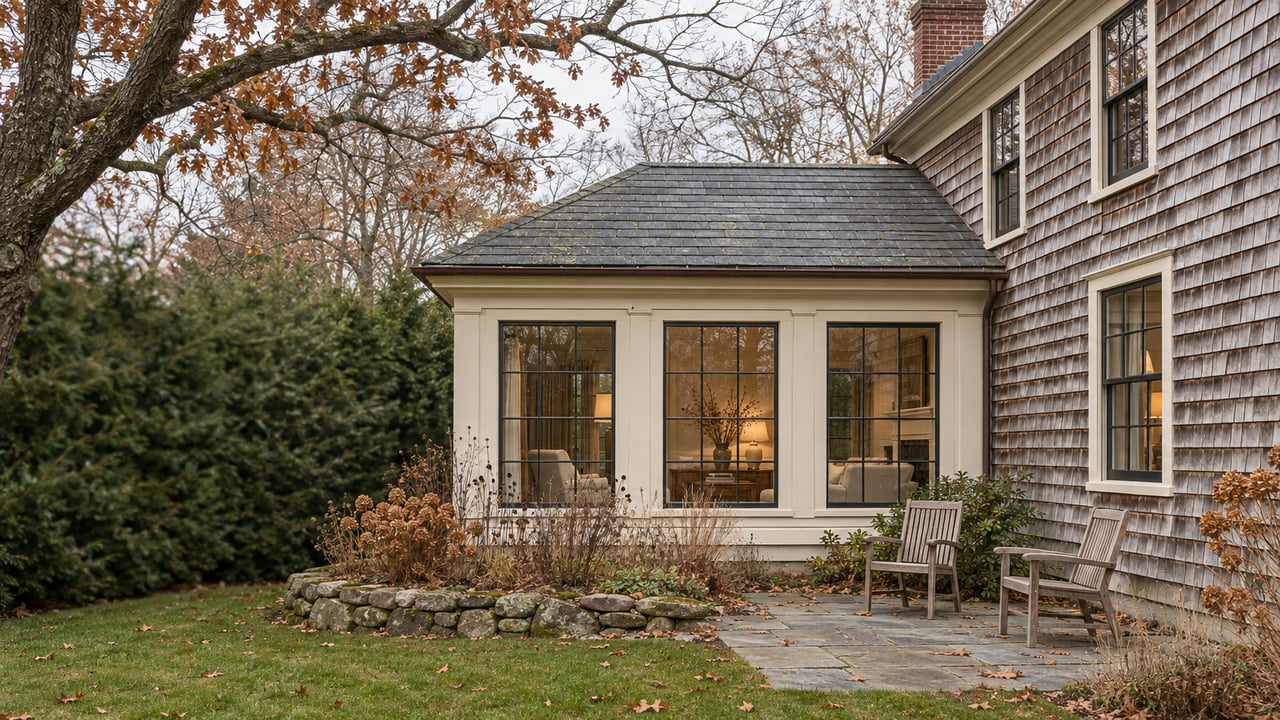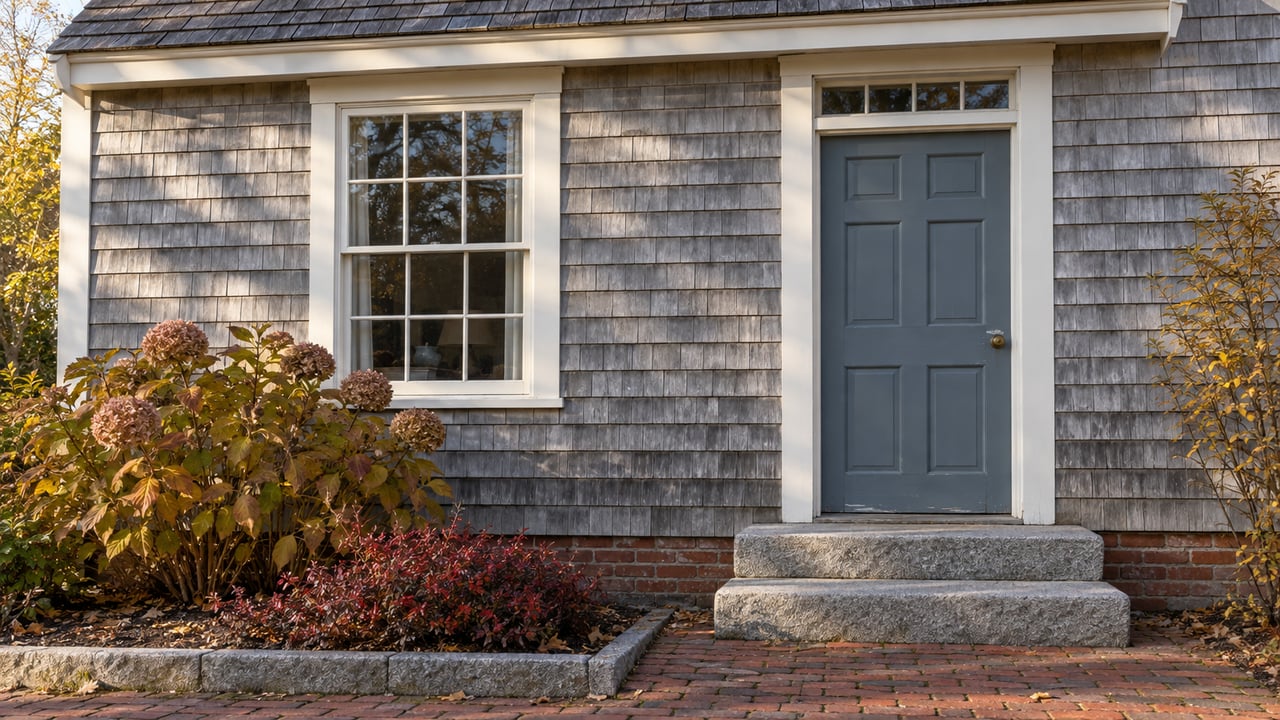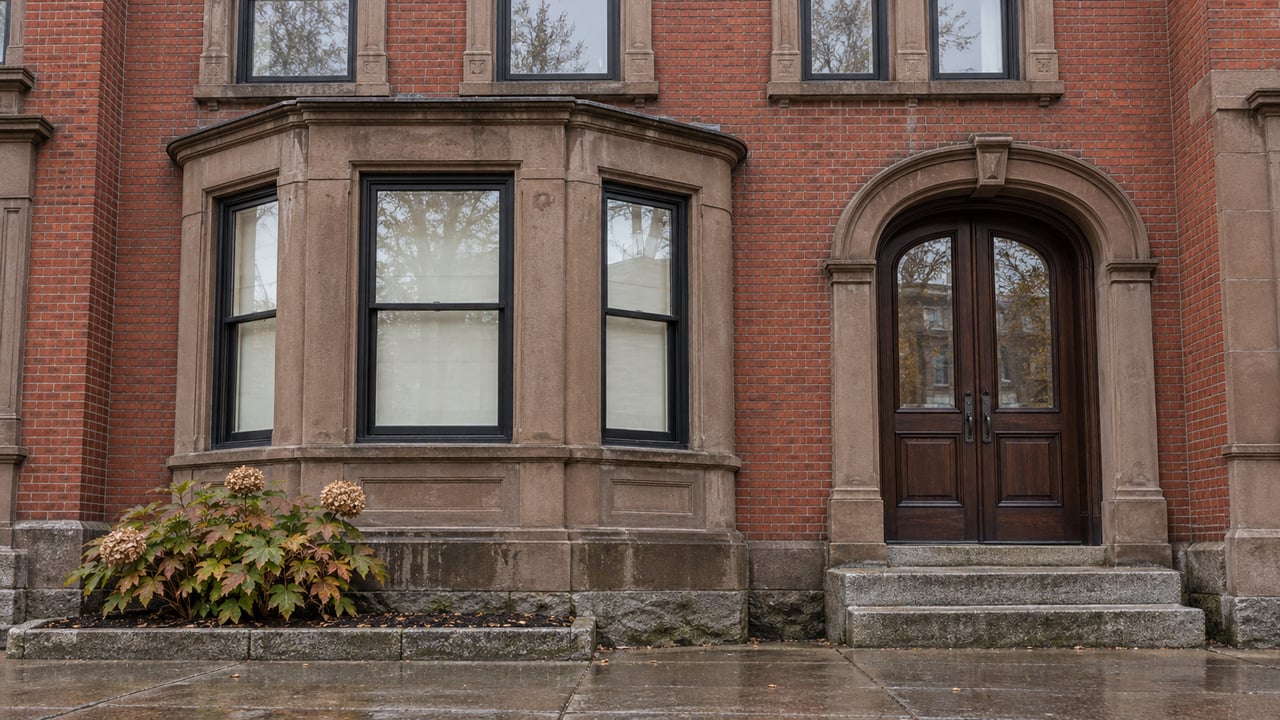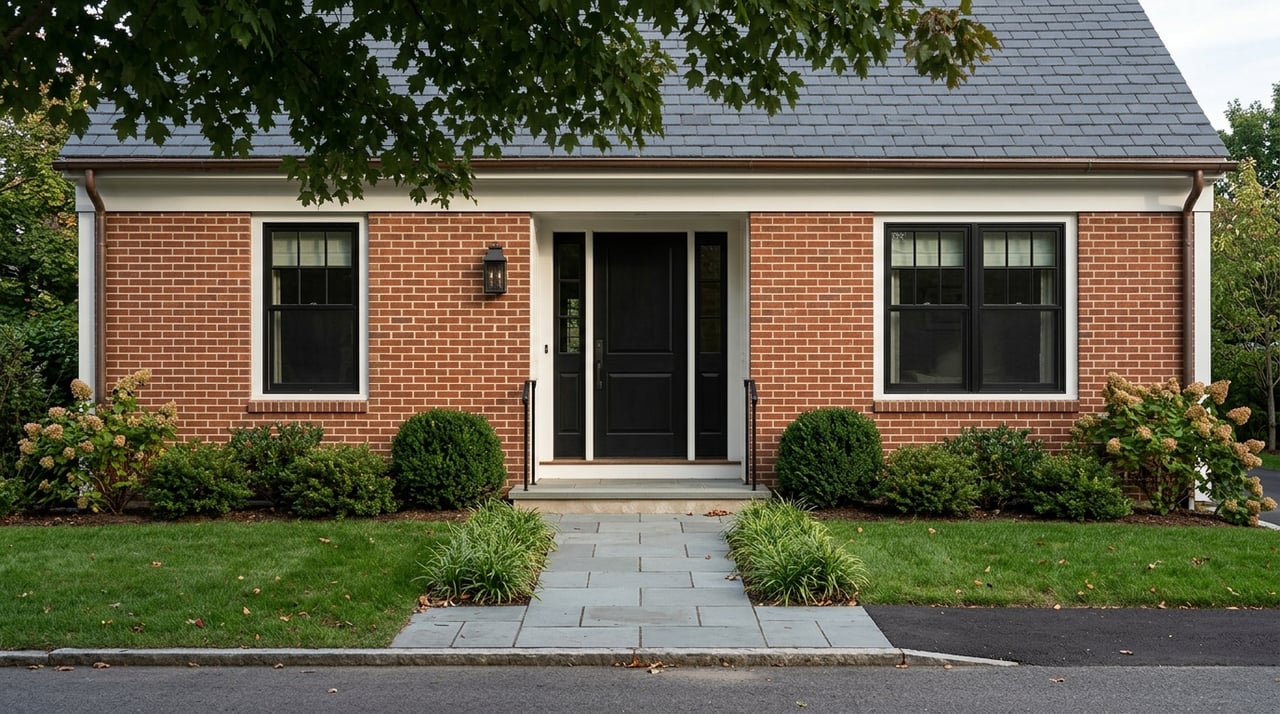
If you are thinking about downsizing in Wellesley, one question tends to surface quickly: should you move to a condo or stay with a single-family home, just on a smaller scale? It sounds like a simple choice, but in this part of Metro West, the math and the lifestyle tradeoffs are often closer than expected. The right move depends on how you want to live, what you want to spend each month, and how much upkeep you want to keep. Let’s dive in.
Why downsizing in Wellesley is not simple
Wellesley is one of the higher-cost housing markets in Metro West, and that shapes every downsizing conversation. Census data shows an owner-occupied housing rate of 84.4% and a median owner-occupied home value of $1,582,700, which reflects a market where ownership is common and replacement options can be expensive.
The town’s housing stock also leans heavily toward detached single-family homes. Wellesley’s 2025 Strategic Housing Plan notes that from 2003 to 2025, condominiums increased by 320 units, while net new single-family homes increased by just 95, with much of that single-family activity tied to teardown and rebuild rather than meaningful net expansion.
That matters if you are trying to simplify without leaving town. The local inventory of smaller ownership options is limited, so downsizing is often less about finding a cheaper property and more about finding the best fit for your next phase.
Condo vs single-family in Wellesley
For many downsizers, the real comparison is not condo versus a large house. It is condo versus the smaller end of Wellesley’s single-family market.
According to the town plan, the lower 25th percentile of single-family homes had a median assessed value of $1,282,000, a median size of 1,692 square feet, a median year built of 1937, and a median lot size of 10,298 square feet. By comparison, the 2024 median condo sales price was $1.79 million, and condos built since 2015 averaged about $1.98 million.
In other words, a newer condo in Wellesley can cost as much as, or more than, an older smaller house. The town’s latest chart also shows median sales prices near $2.10 million for single-family homes and $1.79 million for condos, which means the pricing gap is often narrower than buyers expect.
Why that gap surprises downsizers
Many homeowners assume downsizing will automatically lower both purchase price and monthly costs. In Wellesley, that is not always the case.
The town’s Strategic Housing Plan explicitly says long-term homeowners can face a challenge when trying to downsize because the proceeds from an older home may not fully cover the cost of a newer condominium. That is one reason this decision usually works better when you evaluate lifestyle, control, and carrying costs together instead of focusing only on headline price.
What a condo really changes
A condo can reduce the day-to-day burden of ownership, especially if you want less exterior maintenance and a more lock-and-leave lifestyle. Shared upkeep of common areas, building systems, landscaping, and snow removal can be a meaningful benefit.
But condo ownership also comes with a different structure of costs and decision-making. Under Massachusetts condominium law, common expenses must be assessed at least annually based on an adopted budget, and associations are required to maintain an adequate replacement reserve fund.
That means your monthly fee is not just a convenience charge. It is part of how the building funds current operations and plans for future capital needs.
Key condo documents to review
Before buying a condo, Massachusetts guidance recommends reviewing:
- Master deed
- Bylaws
- Rules and regulations
- Annual budget
- Reserve study
- Meeting minutes
- Current or pending special assessments
- Pending litigation
- Owner-occupancy information
For a downsizer, these documents help answer practical questions. Is the fee stable? Is the reserve fund healthy? Is major work already planned? Could a special assessment change the economics after closing?
What a smaller single-family home gives you
A smaller single-family home usually offers more privacy, more direct control, and often some yard space. If you value making improvements on your own timeline and without association rules, that can be a major advantage.
You also avoid monthly condo fees, but you do not avoid maintenance. Roofs, siding, exterior painting, landscaping, snow removal, and site work remain your responsibility, both financially and logistically.
For some homeowners, that control feels worth it. For others, especially those trying to simplify, the ongoing maintenance load is the very thing they are hoping to leave behind.
Renovation risk matters
In Wellesley, some smaller single-family homes are older and may need updates to match your next chapter comfortably. If a property needs significant renovation or reconstruction, it is smart to review local zoning and permitting requirements early.
That step matters more than many buyers realize. A home that looks like an easy right-size option on paper may involve more time, complexity, and capital once you understand the work required.
Compare the monthly carrying cost
When you compare a condo and a smaller house, look beyond the sale price. In Wellesley, local carrying costs can remain high either way.
The town says property taxes make up more than 85% of its operating budget. Its FY2025 residential tax rate is $10.28 per $1,000 of assessed value, and the median residential tax bill is $16,983.
That means the monthly difference between a condo and a smaller house often comes down to a few specific factors:
- Assessed value
- Property taxes
- Mortgage payment, if any
- Insurance
- HOA or common charges
- Reserve funding through the association
- Exposure to direct maintenance costs
- Risk of special assessments for a condo
A smaller house may have no HOA fee, but it can still produce uneven repair costs. A condo may smooth out some maintenance costs into a monthly fee, but you need to know whether the fee is funding the building adequately.
Inventory is limited, so fit matters more
Wellesley’s downsizing options remain constrained. The Strategic Housing Plan shows a mismatch between household size and the local ownership stock: there are 3,680 owner households with one to two people, but only 102 owner-occupied studio or one-bedroom units and 557 owner-occupied two-bedroom units identified.
That shortage helps explain why well-positioned smaller ownership properties can attract strong interest even when they are not inexpensive. It also means that if you find the right layout and the right financial structure, waiting for a perfect lower-priced option may not be realistic.
Current market snapshots reinforce that scarcity. Redfin showed 9 condos for sale in Wellesley at a median listing price of $1.2 million, while the broader Wellesley market posted a median sale price of $1,825,000 in March 2026, with homes taking 76 days to sell on average.
Resale is not automatic
Even in a high-demand town, resale planning should stay specific. Unit type, fee level, condition, and association health can matter just as much as the Wellesley address.
That is especially true for downsizers who want optionality later. If you think this next move may need to serve you for five to ten years, choose a property that is not only comfortable now but likely to appeal to the next buyer as well.
How to decide which path fits you
A condo may be the better fit if you want:
- Less exterior maintenance
- Simpler lock-and-leave ownership
- Shared responsibility for building upkeep
- A layout that may support easier day-to-day living
A smaller single-family home may be the better fit if you want:
- More privacy
- More yard space
- Direct control over repairs and improvements
- Fewer association rules and no monthly condo fee
In Wellesley, this is often a fit decision first and a price decision second. Because smaller ownership options are limited, the strongest choice is usually the one that aligns with how you actually want to spend your time, manage your budget, and live over the next several years.
A practical downsizing checklist
Before you make a move, work through a clear side-by-side comparison:
- Compare full monthly carrying costs, not just purchase price
- Review condo documents carefully before making an offer
- Ask how much maintenance you truly want to keep
- Check whether the layout works for your next stage of life
- Look at the fee level and reserve health for any condo
- Evaluate the likely repair exposure for a smaller house
- Consider resale depth in the specific property type and price band
- Review local requirements early if renovation may be needed
A careful comparison often brings clarity. In this market, the goal is not just to downsize. It is to right-size in a way that feels financially sound and personally sustainable.
If you are weighing a condo against a smaller single-family home in Wellesley or elsewhere in Metro West, a thoughtful, property-by-property strategy can make the decision much clearer. For discreet guidance tailored to your goals, connect with Hanneman Gonzales.
FAQs
What makes downsizing in Wellesley different from other Metro West towns?
- Wellesley is a high-cost, owner-dominant market with limited small ownership inventory, so downsizing often involves a tighter price gap between condos and smaller single-family homes than many buyers expect.
How do condo costs work for Wellesley downsizers?
- Condo costs usually include your mortgage, property taxes, insurance, and monthly common charges, and those fees are tied to the association budget, reserves, and possible special assessments under Massachusetts condominium law.
Are newer Wellesley condos always less expensive than smaller houses?
- No. Wellesley’s Strategic Housing Plan shows that newer condos can cost as much as or more than older smaller single-family homes, depending on size, age, and condition.
What should Wellesley condo buyers review before making an offer?
- Buyers should review the master deed, bylaws, rules, annual budget, reserve study, meeting minutes, owner-occupancy, litigation, and any current or pending special assessments.
When is a smaller single-family home a better downsizing choice in Wellesley?
- A smaller single-family home may be a better fit if you want more privacy, more direct control over improvements, and are comfortable managing exterior maintenance and repair costs.
Why does layout matter so much in a Wellesley downsizing purchase?
- Layout often matters more than square footage because features like first-floor living, fewer stairs, elevator access, and easier entry can have a bigger impact on long-term comfort and usability.