You can fall in love with a Boston condo and still worry about the unknowns behind the building’s numbers. Reserve funds and special assessments can make or break your monthly costs and long-term returns. If you understand how they work, you can spot risk early, price it correctly, and protect your investment. This guide gives you a clear, Boston-focused framework to read condo documents, ask the right questions, and plan your next step. Let’s dive in.
What condo reserves cover
A reserve fund is money the association sets aside for predictable but infrequent capital work. Think roof replacement, façade repairs, boilers and heating systems, elevators, paving, windows, and other major common-area components. Healthy reserves reduce the chance of sudden, large owner charges and help stabilize dues over time.
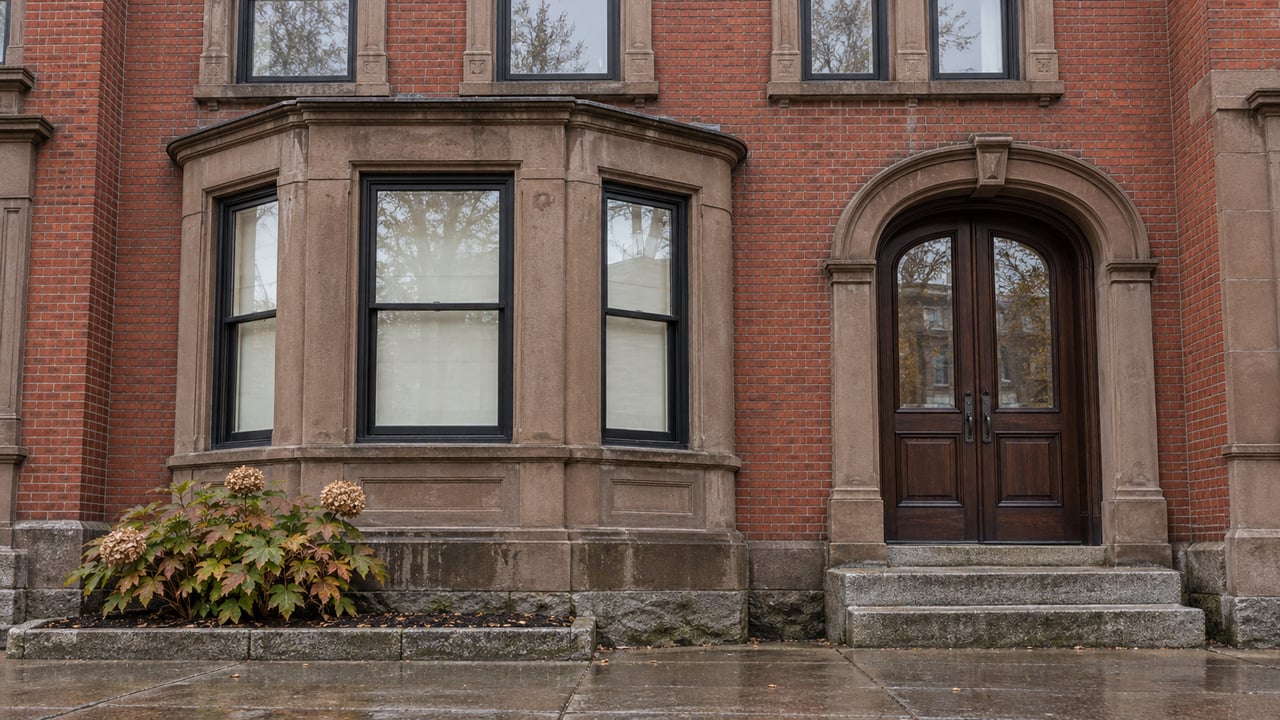
In Boston, many condominiums are older masonry buildings and brownstone conversions. These properties can have meaningful exterior-envelope and mechanical needs, which makes reserve planning especially important. A well-funded reserve is often the difference between a planned project and an urgent special assessment.
Reserve studies and key metrics
A reserve study is an engineering and financial analysis of the common elements. It inventories components, estimates their useful and remaining lives, forecasts replacement costs, and recommends a funding plan. Associations may commission a full study with a site visit or periodic updates focused on the financial plan.
When you review documents, look for a few core data points:
- Fund balance. How much cash is in reserves today.
- Full funding requirement. Estimated amount needed today to meet future capital needs.
- Percent funded. Current reserve balance divided by the full funding requirement. Higher percentages indicate stronger funding; very low levels can point to a higher likelihood of special assessments or fee spikes.
- Annual contribution. The amount the study recommends adding each year to stay on track.
- Component life. Remaining life and useful life for major items like roof, windows, façade, boilers, and elevators.
Industry best practices include keeping a current reserve study, updating it regularly, maintaining reserves in a separate account with clear accounting, and adopting a written funding policy. Common shortcomings include no recent study, co-mingled reserve and operating funds, or small associations with minimal reserves that exclude key components like the exterior envelope.
Special assessments explained
A special assessment is a one-time charge to cover an expense that exceeds available operating funds or reserves. Assessments can arise from an unexpected failure, years of deferred maintenance, a large project that exceeded estimates, an insurance deductible after a loss, or litigation costs not covered by insurance.
Each association’s declaration and bylaws set the rules for proposing and approving assessments. Some boards can levy certain amounts without an owner vote, while others require a membership vote above defined thresholds. Allocation usually follows ownership percentages or a formula in the governing documents. Payment timelines may be lump sum or installments, depending on policy and board decisions.
Associations that fund reserves according to a study tend to have fewer and smaller assessments. Underfunded buildings, especially small or older ones, face a higher risk of large, sudden charges.
Boston-specific considerations
Boston has a wide mix of small two- to eight-unit associations and larger developments. Smaller associations often lack professional management and spread costs over fewer owners, which can magnify the impact of any capital project.
Older masonry and brownstone buildings require careful attention to roofs, windows, pointing, waterproofing, and heating systems. Ask for any recent engineering or façade reports, capital project bids, and whether the association has addressed building code or inspection items. In older stock, recent or pending envelope work is a common driver of assessments.
What to review in condo documents
Request these items during your offer period and review them within your document contingency window:
- Current annual budget plus the prior two to three years of budgets and actuals.
- Balance sheet and income statements for the current year and the prior two to three years.
- The most recent reserve study and any updates, including the date and who performed it.
- Proof of a segregated reserve account, such as bank statements.
- Board meeting minutes for the last 12 to 24 months and any special meetings on capital projects or assessments.
- Declaration, bylaws, rules and regulations, with attention to reserve policy and assessment voting rules.
- Resale certificate or estoppel letter with balances due, pending or approved assessments, and status.
- Insurance summary for the master policy, including deductible amounts and coverage scope.
- A list of pending or recent capital projects and any contractor estimates or bids.
- Disclosure of pending litigation or insurance claims.
- Management agreement if professionally managed, plus any recent RFPs for major work.
How to analyze reserve health
Start with the percent funded and the full funding requirement from the reserve study. A higher percent funded generally signals stronger long-term readiness. Very low levels, such as well under 30 percent, suggest underfunding and a higher chance of future assessments or sharp dues increases.
Compare the reserve study’s recommended annual contribution to what the association actually contributes. A consistent shortfall often leads to deferred maintenance. Review the last five to ten years for any special assessments, their causes, and whether the same issues recur.
Look at operating trends, including surpluses or deficits and the history of dues increases. Confirm reserves are in a separate account and can be accessed promptly for capital needs.
Questions to ask the board or manager
- When was the last reserve study performed, and will it be updated before closing?
- What is the current percent funded and the board’s target? Is there a written reserve funding policy?
- What capital projects are expected in the next one to five years and what are the estimated costs and timelines?
- Has the association levied special assessments in the past five to ten years? For what reasons and in what amounts?
- Are there pending insurance claims, litigation, or contractor disputes?
- How are master policy deductibles handled and who pays them after a loss?
- What are the voting requirements for special assessments and for borrowing?
- Is the association current on taxes and utilities, and are there any liens?
- For older buildings, are there known structural, envelope, or mechanical issues? Any recent engineering reports?
Red flags that merit a closer look
- No reserve study or one older than five years.
- A reserve balance far below the most recent study’s recommended level.
- Large or recurring special assessments for similar work.
- Significant unresolved litigation or major insurance claims.
- Frequent, steep dues increases without a transparent plan.
- Very small associations that lack professional management and show low reserves.
- Unclear responsibility for the building envelope or ambiguous allocation of costs in the declaration.
Financing, insurance, and negotiation
Many lenders review condominium stability, reserve funding, insurance coverage, owner occupancy, and bylaws as part of project approval. Some loan programs are more sensitive to small associations, very low reserves, or large special assessments. Ask your lender about project eligibility and any reserve requirements early.
Review the master insurance policy to understand coverage level, deductibles, and what portions are the owner’s responsibility through an HO-6 policy. After a loss, an association may levy a special assessment to cover deductibles or uncovered costs. Clarify whether the policy is walls-in or walls-out.
Boards may permit installment plans for special assessments or require lump sums, subject to governing documents and board decisions. If due diligence reveals underfunding or imminent capital work, you can negotiate price adjustments, seller credits, escrow holdbacks, or allocation of newly imposed assessments tied to pre-sale events, consistent with local practice and the estoppel details.
How an experienced Boston team helps
Clear, early due diligence is your best defense against surprises. A seasoned Boston team helps you focus on the right documents, coordinate with your attorney and lender, and frame negotiation strategies that reflect real building conditions and timelines. With older buildings and smaller associations common across the South End, Back Bay, Seaport, and surrounding neighborhoods, a disciplined review can improve both your risk profile and your long-term ownership experience.
If you are weighing a purchase or preparing to sell in a building with upcoming projects, we can help you position the numbers with clarity and confidence. For discreet guidance tailored to your goals, connect with Hanneman Gonzales.
FAQs
What is a condo reserve fund and why does it matter?
- It is the association’s savings for major common-area repairs and replacements, which stabilizes dues and reduces the need for special assessments.
How much is “enough” in reserves for a Boston condo?
- It varies by building, but a higher percent funded relative to the reserve study’s full funding requirement generally indicates stronger long-term readiness.
Who decides on special assessments and can I pay in installments?
- The declaration and bylaws set voting rules and board authority; timing and installment options are typically determined by those rules and the board.
Which documents should I review before buying a Boston condo?
- Budgets and financials, reserve study and bank statements, meeting minutes, governing documents, resale certificate, insurance summary, project lists, and litigation disclosures.
How do reserves and assessments affect my mortgage approval?
- Many lenders evaluate project stability, reserves, special assessments, and insurance coverage as part of condo eligibility, which can impact loan options.
What if the association has no recent reserve study?
- Treat it as a red flag, ask for an update, request details on near-term capital needs, and price or negotiate credits accordingly with your attorney’s guidance.