If you are considering a second home in Provincetown, the biggest decision may not be whether to buy here, but where. In a town that stretches roughly three miles long and just 1.5 miles wide, small shifts in location can noticeably change your day-to-day experience. This guide will help you understand how Provincetown’s main neighborhood areas differ, what practical ownership factors matter most, and how to think about fit before you make a move. Let’s dive in.
Why micro-location matters in Provincetown
Provincetown does not read like a typical suburban market with broad, interchangeable residential areas. The town’s 2024 Local Comprehensive Plan describes it as a linear harbor town, historically divided into the East End and West End, with MacMillan Wharf and Town Hall serving as an informal centerline.
For you as a second-home buyer, that means a single block can shape your experience in meaningful ways. Your relationship to Commercial Street, the harbor, beach access, and key road connections can influence how easy it feels to walk, park, unwind, or move through town during peak season.
Another defining feature is the waterfront itself. Provincetown’s Shared Shore materials describe public shoreline access as a network of paths, open spaces, and walkways between buildings, rather than one simple, continuous beach zone.
West End at a glance
The West End often appeals to buyers who want to feel closer to Provincetown’s beach-and-dune side. It sits nearest to the Province Lands area and offers relatively direct access to some of the town’s best-known outdoor recreation.
West End access and lifestyle
Herring Cove Beach is just outside town center on the Cape Cod Bay side of the Cape, according to the National Park Service. It is known for calmer water, warmer temperatures, sunsets, and nearby access to the Province Lands Bike Trail.
Race Point Beach, at the end of Race Point Road, adds another layer to the West End’s appeal. Seasonal restrooms, showers, and changing rooms support longer beach days, which can matter if your second home is meant to function as a true retreat rather than just a base.
For many buyers, the West End offers a balance between town access and a stronger connection to open landscape. If you picture spending mornings biking, afternoons at the beach, and evenings back in town, this side of Provincetown may feel especially intuitive.
West End housing character
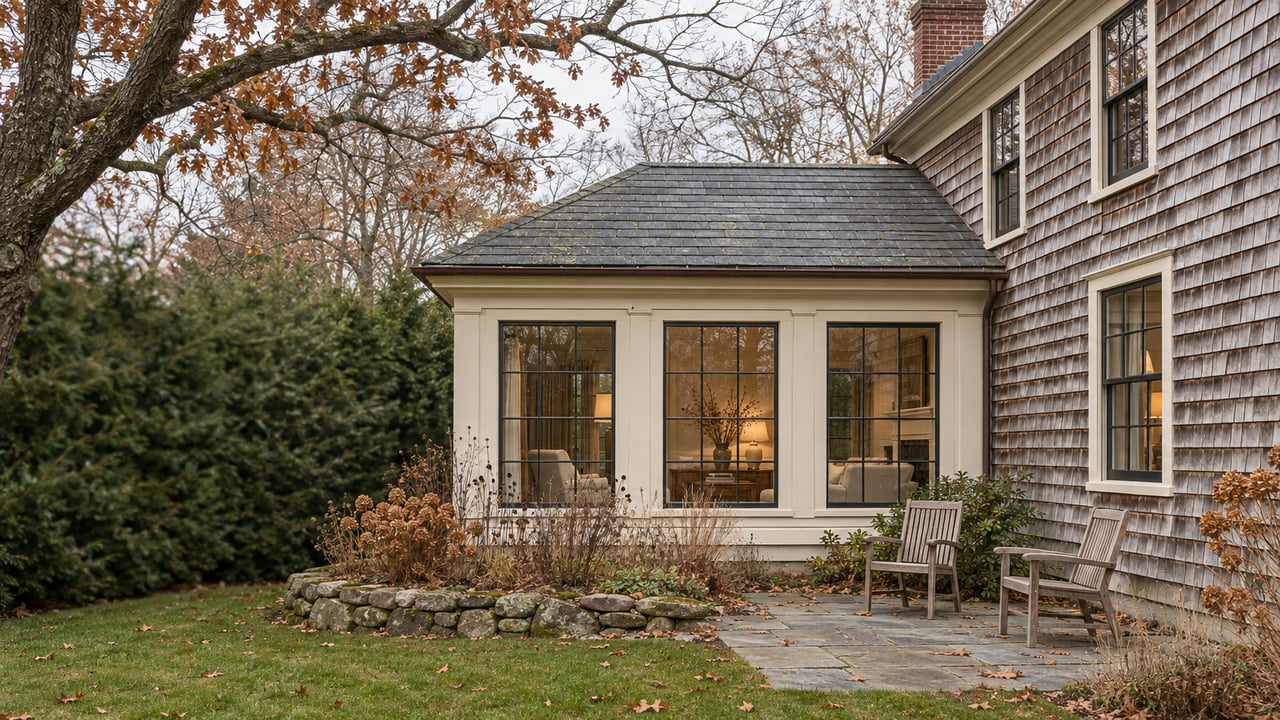
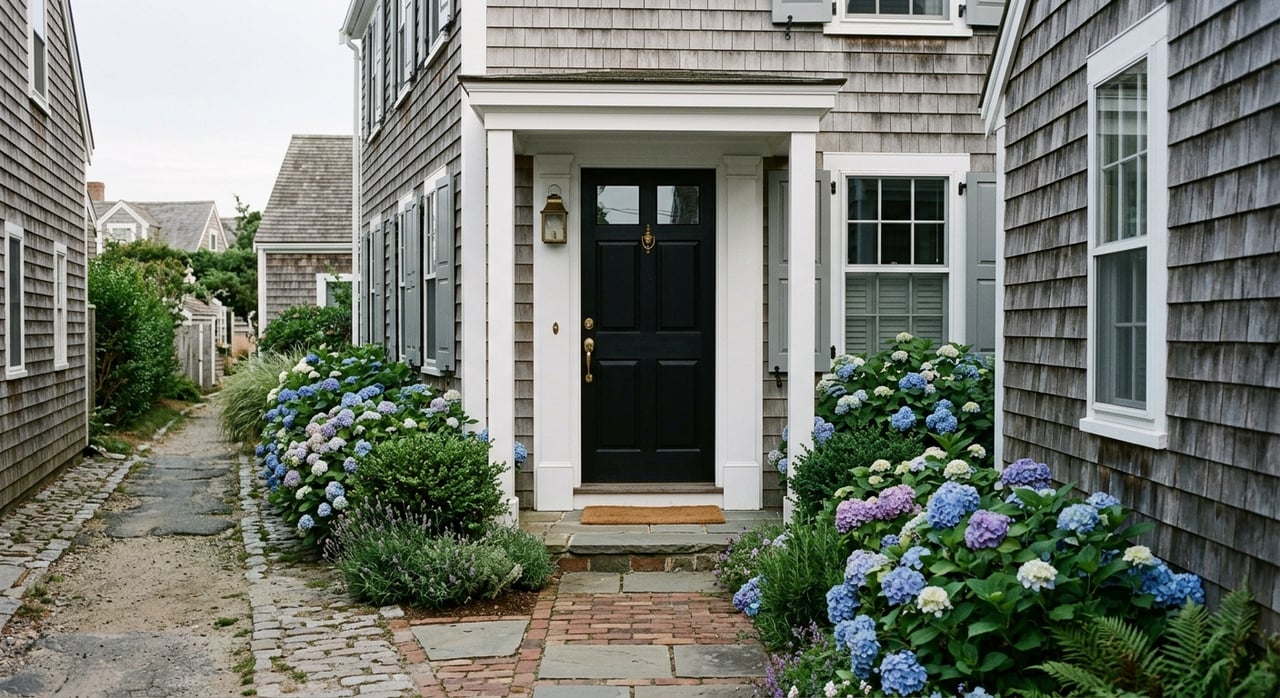
Architecturally, the West End is not defined by one uniform housing type. The National Register historic district description points to a mix that includes larger historic residences, simple cottages with ornamental shingling, timber-frame cottages that expanded over time, and resort-era overnight cottage forms like Delft Haven.
In practical terms, that suggests a neighborhood fabric made up of smaller-scale residential buildings, adapted historic structures, and cottages near the water and the town’s outer edge. If you value character, age, and a less standardized streetscape, the West End may align with that preference.
East End at a glance
The East End is closely tied to Provincetown Harbor, older waterfront blocks, and the harbor-facing side of Commercial Street. It has a distinct shoreline identity, not simply an extension of downtown.
East End access and daily use
Town waterfront materials and the Shared Shore page reinforce the East End as its own waterfront zone. For you, that can translate into a daily rhythm shaped by harbor views, walking routes, and frequent visual access to the water.
The East End also supports everyday waterfront activity in practical ways. Town shellfishing regulations identify an East End recreational shellfish area, adding another local-use layer that reflects how residents and second-home owners interact with the harbor.
If your ideal Provincetown home is tied to harbor orientation and a more residential waterfront feel, the East End deserves close attention. It can offer a strong sense of place without requiring a large physical footprint.
East End housing character
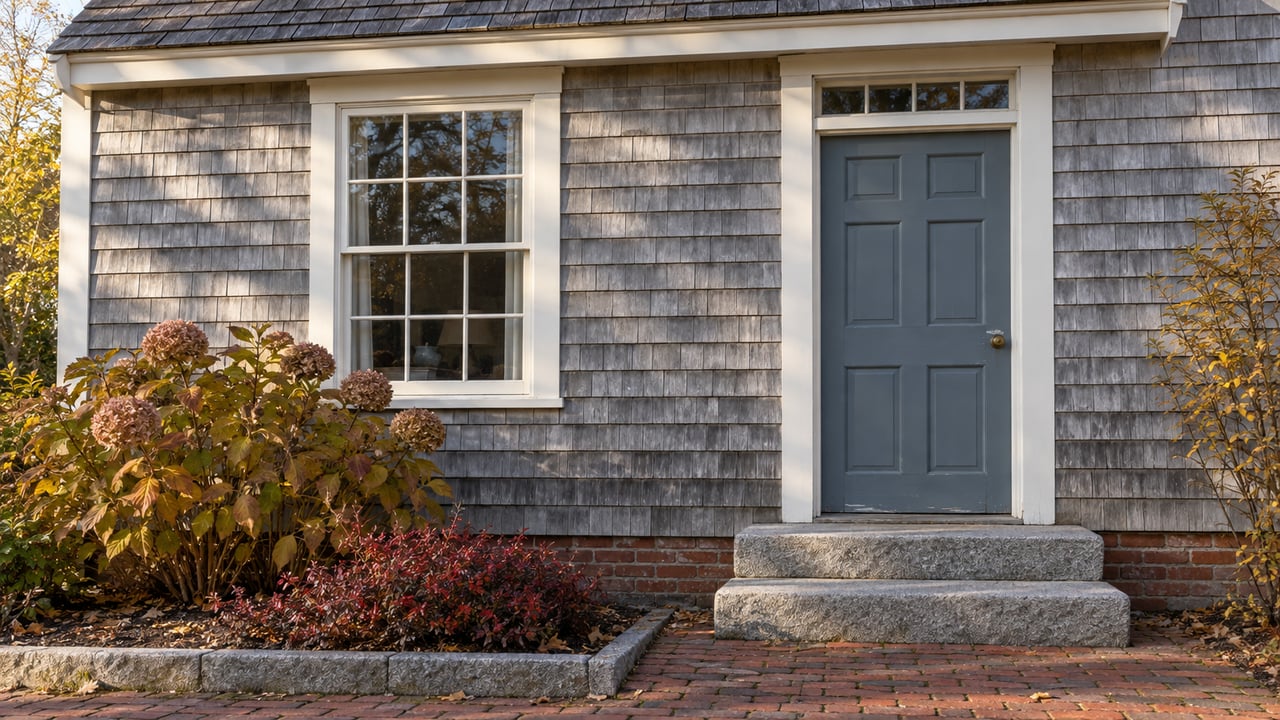
The National Register description says much of the East End includes late Victorian summer cottages in simple Queen Anne and Colonial Revival forms, mostly built between 1900 and 1925. Many of these properties are associated with a long-standing historic residential pattern.
For a second-home buyer, the key takeaway is scale and texture. The East End tends to suggest cottage-style, historic-residential living rather than large-lot housing or newer planned development.
Downtown and near-town corridors
Not every second-home buyer wants a purely residential setting. Some want to step outside and be near the strongest concentration of shops, restaurants, galleries, and year-round movement.
Downtown convenience and amenities
MacMillan Pier serves as a central hinge in town. Provincetown’s Harbor & Pier page notes that it is a short walk to retail shops, museums, restaurants, theaters, and art galleries.
If convenience is your top priority, the downtown harbor edge may be the easiest fit. This area can support a second-home lifestyle built around walking access and immediate proximity to activity, especially if you use the property for shorter stays.
Corridor areas and connectivity
The road-connected edges of town offer a different experience. Provincetown’s transportation information shows shuttle connections between MacMillan Pier and Bradford Street, Herring Cove Beach, Shankpainter Road, Conwell Road, Race Point Road, the Province Lands Visitor Center, Race Point Beach, and the airport.
Planning materials also identify Shank Painter Road as a primary access route to the downtown business district. At the same time, the town notes that many street segments have minimal or no sidewalks or bike facilities.
That mix makes the downtown-to-corridor areas feel more service-connected and movement-oriented. For you, that may be a benefit if access, parking patterns, or transportation links matter more than a single waterfront atmosphere.
What second-home buyers should weigh
Provincetown’s charm is real, but ownership here comes with local considerations that deserve careful review before you commit.
Historic district rules
Much of Provincetown falls within a historic-district framework. The town states that the Historic District was created to preserve significant buildings and places, and that work within it is regulated under Chapter 15.
The Historic District Commission’s mission includes maintaining Provincetown’s historic village, fishing, artistic, cultural, commercial, and residential character. The town also publishes policies for cottages, fences, and windows, which signals that exterior changes may require more review than in many other second-home markets.
If you are buying a property with plans to alter the exterior, this should be part of your early diligence. Character and preservation are part of the value proposition here, but they can also affect your timeline and design flexibility.
Waterfront access is broad, not uniform
One of Provincetown’s strengths is how many shoreline access points exist across town. But access is not identical from block to block.
The Shared Shore page notes that some access points are narrow, sit between buildings, may be tide-sensitive, or may be located on private property subject to Chapter 91 requirements. In other words, being “near the water” does not always mean the same thing in everyday use.
When evaluating a property, it helps to look beyond the listing description and think about the exact route you would take to the shoreline. In Provincetown, that detail matters.
Climate and exposure considerations
The town’s 2025 Coastal Resilience FAQ says Provincetown is vulnerable to sea level rise, storm surge, erosion, and increased rainfall. It also notes that much of town is built on artificial fill or low-lying land with narrow streets and minimal elevation.
Harbor-facing coastline and roadways such as Commercial Street are identified as especially exposed. For a second-home buyer, that makes location-specific diligence important, particularly if you are comparing low-lying harbor areas with homes that sit differently in relation to elevation, roads, and shoreline exposure.
Parking and seasonal patterns
Seasonal logistics are part of the ownership experience in Provincetown. The town’s visitor parking information states that paid parking is enforced seasonally and notes both new East End Commercial Street spaces and a West End lot.
This does not mean one area is automatically better than another. It does mean that your tolerance for walking, parking strategy, and peak-season movement should be part of how you define the right fit.
How to choose the right Provincetown area
If you are deciding between neighborhoods, start with how you actually plan to live in the home. A second home used for long summer stretches may call for something different than a property used for quick weekends and shoulder-season visits.
Here are a few useful framing questions:
- Do you want easier access to beaches, dunes, and bike routes?
- Do you picture your time centered on harbor views and waterfront walks?
- Is being close to restaurants, galleries, and shops a priority?
- Are you comfortable with historic-district review if updates are part of your plan?
- How important are parking, shuttle access, and road connections during busier months?
In Provincetown, these questions often matter more than the neighborhood label alone. The right home is usually the one that matches your daily habits, not just your abstract preferences.
A thoughtful second-home approach
Provincetown rewards buyers who pay attention to nuance. Because the town is compact, historic, and closely tied to its shoreline, a property’s immediate surroundings can shape both lifestyle and ownership responsibilities.
For that reason, the best second-home search here is usually a precise one. It helps to evaluate not only price and finishes, but also access patterns, historic context, exposure considerations, and how each location will function in real life across the seasons.
If you are considering a second home in Provincetown and want a strategic, discreet perspective on location, property fit, and market positioning, connect with Hanneman Gonzales.
FAQs
What are the main Provincetown areas second-home buyers should know?
- Most buyers start by comparing the West End, East End, downtown, and near-town corridor areas, each of which offers a different mix of waterfront access, walkability, and day-to-day feel.
What makes the West End of Provincetown appealing for a second home?
- The West End sits closest to the Province Lands side of town and offers convenient access to Herring Cove Beach, Race Point Beach, and the Province Lands Bike Trail area.
What defines the East End of Provincetown for second-home buyers?
- The East End is a harbor-facing residential area known for older waterfront blocks, walking access, and a historic cottage-scale housing pattern.
What should buyers know about historic district rules in Provincetown?
- Much of Provincetown falls within a historic district where exterior work is regulated, so planned changes to cottages, windows, fences, or other visible elements may require additional review.
What should buyers know about waterfront access in Provincetown?
- Provincetown has many shoreline access points, but they vary by location and may be narrow, between buildings, tide-sensitive, or affected by property conditions tied to Chapter 91.
What climate factors matter when buying a second home in Provincetown?
- Town materials say Provincetown is vulnerable to sea level rise, storm surge, erosion, and increased rainfall, with harbor-facing coastline and roads like Commercial Street especially exposed.
What parking factors matter in Provincetown for seasonal owners?
- Seasonal paid parking, public lots, and neighborhood-specific parking patterns can affect convenience, so it is worth evaluating how a property will function during busier months.