Shopping for a luxury home in Wellesley or across Metro West and hearing the term “jumbo” a lot? You are not alone. Many local properties sit above the standard loan limits, which means your financing works a little differently. In this guide, you will learn what counts as a jumbo loan, how lenders underwrite them, which loan products fit high‑net‑worth buyers, and how local market dynamics in Wellesley can shape your strategy. Let’s dive in.
What is a jumbo loan in Wellesley?
A jumbo loan is any residential mortgage that exceeds the conforming loan limit set by the Federal Housing Finance Agency for your county and year. Because jumbos are not eligible for purchase by Fannie Mae or Freddie Mac, lenders underwrite them with their own rules.
For context, the 2024 baseline single‑family conforming limit was 766,550, and the high‑cost maximum for a single‑family home was 1,149,825. Your cutoff depends on the county where you buy. If your loan amount in Norfolk County rises above the applicable conforming limit for the year, it becomes a jumbo loan. You should verify the current FHFA county table before you finalize your budget.
Why this matters locally
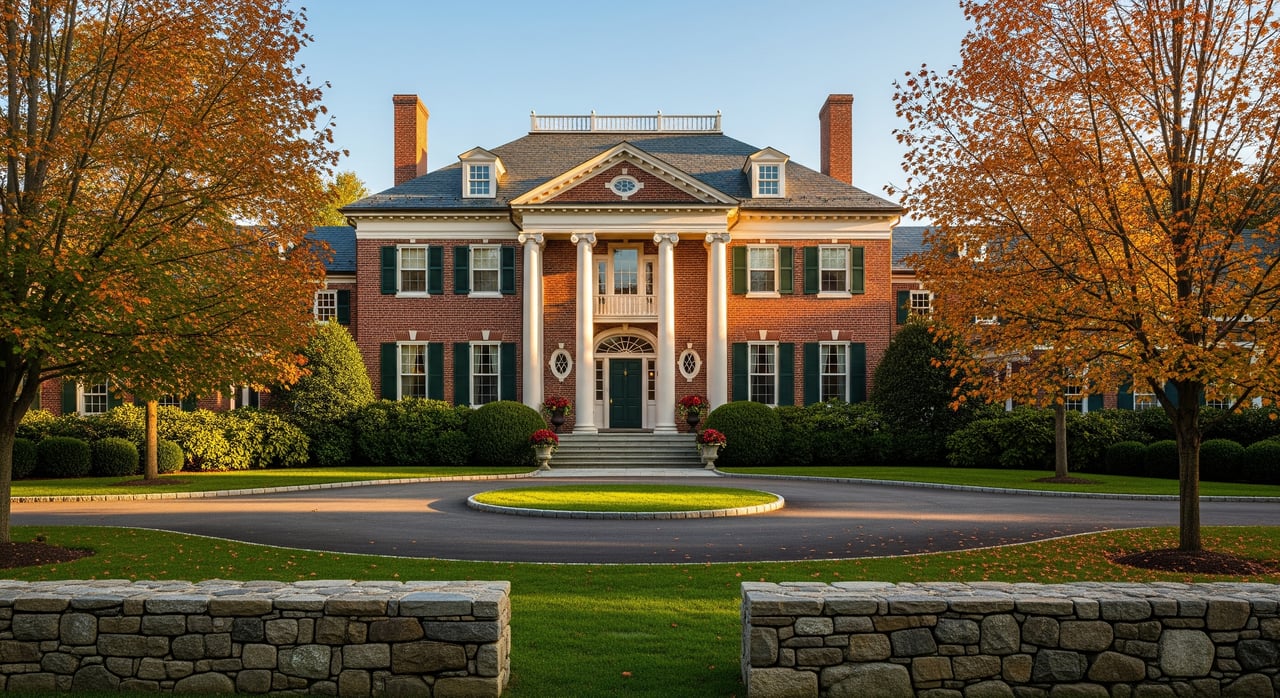
Many homes in Wellesley and neighboring Metro West towns regularly exceed conforming limits. That makes jumbo financing common and shapes how offers are evaluated. Strong pre‑approval and clear documentation can help you compete without taking on unnecessary risk.
What lenders expect on jumbo files
Jumbo loans favor well‑documented finances and stable credit. Knowing the typical range helps you set expectations and prepare early.
Credit score
Lenders generally price best for scores in the 720 to 760 plus range. Some will consider lower scores with stronger compensating factors, but pricing and terms can be less favorable.
Down payment and LTV
Many jumbo programs expect at least 20 percent down, which keeps loan‑to‑value at 80 percent. Some lenders prefer 25 to 30 percent down for top‑tier pricing. Select programs may allow higher LTVs up to 85 to 90 percent for well‑qualified buyers, often with stricter reserve and DTI rules.
Debt‑to‑income ratio
Typical DTI caps range from 43 to 50 percent, depending on your credit, assets, reserves, and documentation type. Strong liquidity and clean documentation can support approval at the higher end of the range.
Cash reserves
Expect larger reserve requirements than conforming loans. Common guidelines call for 6 to 12 months of principal, interest, taxes, and insurance on hand after closing. Higher loan amounts, multiple properties, or interest‑only features can push this higher.
Documentation
Standard items include two years of federal tax returns, W‑2s or 1099s, recent pay stubs, and two or more months of bank and investment statements. If you are self‑employed or have complex income, plan to provide two years of returns and possibly K‑1s, a profit‑and‑loss statement, and business bank statements. Gift funds are often permitted with a lender‑approved gift letter and full paper trail.
Using liquid assets to qualify
Some lenders offer asset‑depletion or asset‑utilization programs that convert investable assets into qualifying income. For high‑net‑worth buyers with limited W‑2 income, these options can unlock strong financing. Program rules vary by lender and product.
PMI and second liens
Traditional private mortgage insurance is not common on non‑conforming jumbos. Many borrowers target 20 percent down or explore a second mortgage or HELOC to manage total cash outlay, subject to lender availability and pricing.
Appraisals and valuation
Jumbo files usually require a full interior and exterior appraisal. In higher‑end segments or unique properties with few comparable sales, a lender may order a second appraisal or a review. Limited comps can influence valuation, required down payment, and the time to close.
Jumbo loan products you can use
You have several paths to structure a jumbo, each with tradeoffs in flexibility, pricing, and documentation.
Conventional jumbos
These are market‑priced loans with underwriting similar to prime conventional standards. Expect higher reserves, tighter documentation, and loan size‑based adjustments.
Portfolio loans from banks or credit unions
Portfolio loans stay on the lender’s balance sheet. Many local and regional institutions in Metro West offer them and may be more flexible on documentation, DTI, or niche property types. Strong banking relationships can help smooth appraisal or income nuances.
Non‑QM and bank‑statement programs
Designed for self‑employed buyers and those with non‑traditional income, these programs allow qualification using bank deposits rather than tax returns. They often carry higher rates and fees and require more reserves.
Asset‑depletion options
If you hold substantial liquid assets, some lenders will calculate a monthly income stream from your portfolio to qualify you. This can be attractive when tax strategies reduce reported income.
Bridge loans, construction financing, and HELOCs
Bridge financing can help you buy before you sell your current home. A HELOC or second mortgage can supplement your down payment, though it raises combined loan costs and risk. Review the full payment picture before you commit.
Fixed‑rate vs ARM
Both are available in the jumbo market. ARMs often start with a lower rate that adjusts later. If you expect a shorter ownership horizon, an ARM’s initial savings may be compelling. If you plan to hold long term, a fixed rate may fit better.
Rates, locks, and points on large balances
Jumbo rates do not always sit far above conforming rates. In some markets the spread narrows or even flips, driven by investor demand, liquidity, and broader rate moves. Quotes can vary widely by lender, so compare programs and scenarios side by side.
Lock strategy matters because jumbo appraisals and underwriting can take longer. You may need a longer lock window or a float‑down option if available. On larger loan amounts, even a small rate change can shift your monthly payment in a meaningful way.
Pricing also varies with credit score, LTV, documentation, and loan size. If you are considering paying points, calculate a clear break‑even and weigh that against how long you expect to hold the loan.
Metro West market factors that affect your loan
Local conditions shape both financing and deal strategy in Wellesley and nearby towns.
Price points
Single‑family homes in Wellesley and across Metro West often exceed conforming limits. That makes true jumbo pre‑approval common for serious buyers. You can confirm current median prices and trends through local MLS reports and trusted market summaries.
Inventory and competition
Lower inventory in desirable suburbs can create competition. Sellers often favor offers with strong financing certainty. A written pre‑approval from a lender that regularly closes jumbos carries more weight than a basic pre‑qualification.
Appraisal comparables
Luxury properties and extensively renovated homes can lack clear comps, which can slow the appraisal or create valuation gaps. Plan for this early. If a valuation comes in low, you may need to adjust loan amount or increase your down payment.
Closing timeline
Jumbo reviews, asset verification, and appraisal resolution can lengthen the process. Plan for 30 to 45 days to close, and longer if the property is unusual or requires additional valuation work.
Local costs and taxes
Property taxes and closing costs vary by municipality. You should consult the Wellesley assessor and local closing counsel for current rates, customary fees, and any exemptions.
Lender selection
Work with lenders who actively originate jumbos in Metro West. Local banks, regional credit unions, and brokers with a track record on high‑value files can reduce friction and anticipate appraisal or documentation hurdles.
A readiness checklist for high‑net‑worth buyers
Getting fully prepared before you tour homes helps you move decisively when the right property appears.
- Two years of personal tax returns, plus business returns if applicable
- Two to three months of bank and investment statements for all funds used to close
- Retirement and brokerage statements, including documentation for large transfers or gifts
- Recent pay stubs if W‑2, plus 1099s, K‑1s, and a profit‑and‑loss if self‑employed
- Documentation for any non‑recurring or large deposits
- Statements showing liquid assets if you plan to qualify using asset‑depletion
- Property documents as needed, such as HOA information for condos
- A written pre‑approval letter from a jumbo‑experienced lender that lists product, assumed rate, down payment, and any conditions
Smart offer strategy with jumbo financing
Approach offers with a clear financing plan that supports your price and protects your interests.
- Secure a true pre‑approval from a lender that routinely funds jumbos in Metro West. Ask the lender to outline reserves, documentation, and any appraisal requirements up front.
- Calibrate contingencies with your risk tolerance and the property. Be cautious about waiving appraisal or financing contingencies in thin‑comp markets.
- Discuss appraisal gap scenarios before you offer. If the valuation lands below contract price, decide whether you will add cash, adjust terms, or pivot.
- Coordinate timelines with your lender, agent, and closing attorney. Build in time for asset verification and any second appraisal that may be required.
Common pitfalls to avoid
A few missteps can slow or jeopardize a jumbo purchase. Stay ahead of them.
- Underestimating appraisal and underwriting timelines for high‑value or unique homes
- Relying on a basic pre‑qualification instead of a full pre‑approval specific to jumbo standards
- Banking on a single appraisal in a neighborhood with limited comps
- Over‑leveraging without adequate post‑closing reserves
- Delaying documentation until after offer acceptance
Your next steps
- Verify the current FHFA conforming limit for Norfolk County to confirm whether your target price requires a jumbo loan.
- Speak with two to three lenders who close jumbos in Metro West. Compare reserve rules, documentation flexibility, and pricing.
- Pre‑assemble tax returns, asset statements, and proof of reserves so your file can move immediately once you are under agreement.
- If your income is complex, explore portfolio, bank‑statement, or asset‑depletion options early.
- Align appraisal expectations with your lender and listing agent, especially for high‑end or distinctive homes.
- Consult your tax advisor about interest deductibility limits and local tax considerations.
When you want a discreet, data‑driven plan for a Wellesley purchase, our team can help you prepare financing strategy alongside a targeted property search. For confidential guidance and access to on‑ and off‑market opportunities, connect with Hanneman Gonzales.
FAQs
Are jumbo rates higher than conforming in Wellesley?
- Not always. The spread changes with market conditions, investor demand, and liquidity, so compare quotes by lender, credit score, LTV, and documentation type.
How much down payment do I need for a jumbo loan in Metro West?
- Many programs expect at least 20 percent down, and some offer better pricing at 25 to 30 percent depending on your profile and property type.
Can I qualify for a jumbo using assets instead of income?
- Yes. Asset‑depletion or asset‑utilization programs can convert investable assets into qualifying income, and portfolio lenders may consider liquid net worth.
How long does jumbo approval take in Norfolk County?
- Plan for 30 to 45 days, and longer if comparables are scarce or if your property requires additional appraisal reviews.
How do jumbo appraisals differ for Wellesley luxury homes?
- Lenders often require full interior and exterior appraisals, and may order a second or review appraisal if local comps are limited or the home is unique.