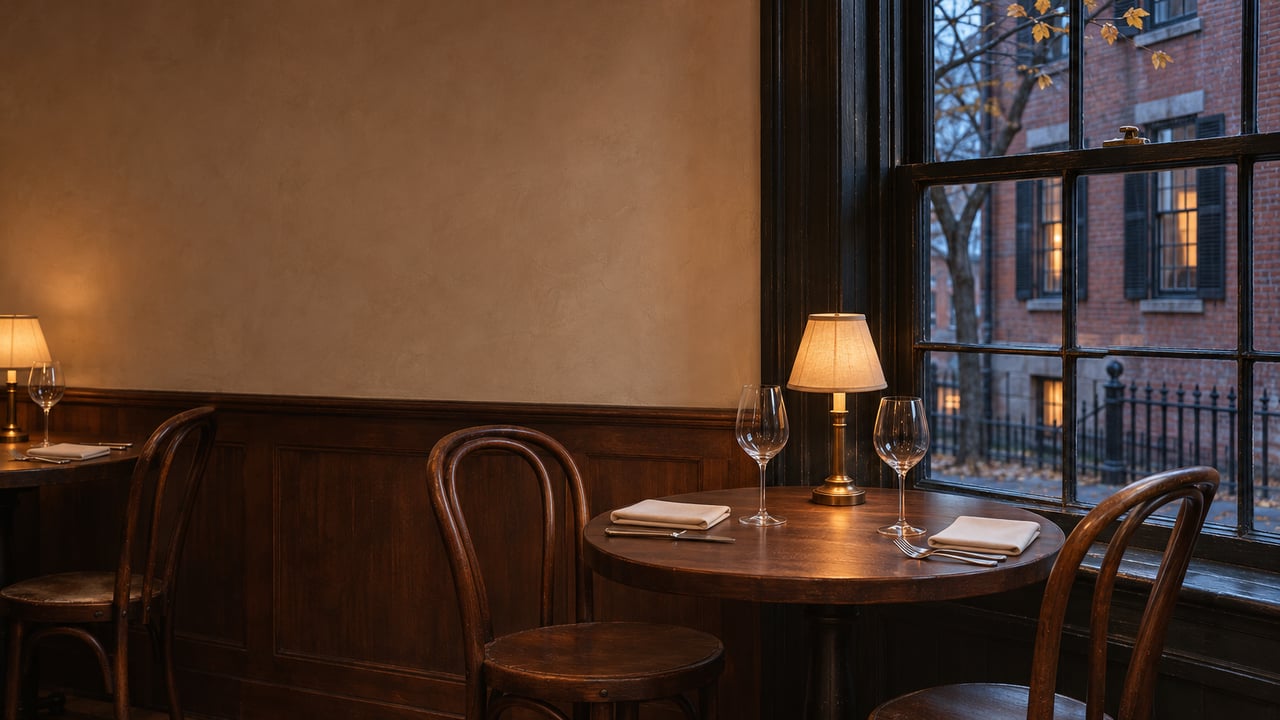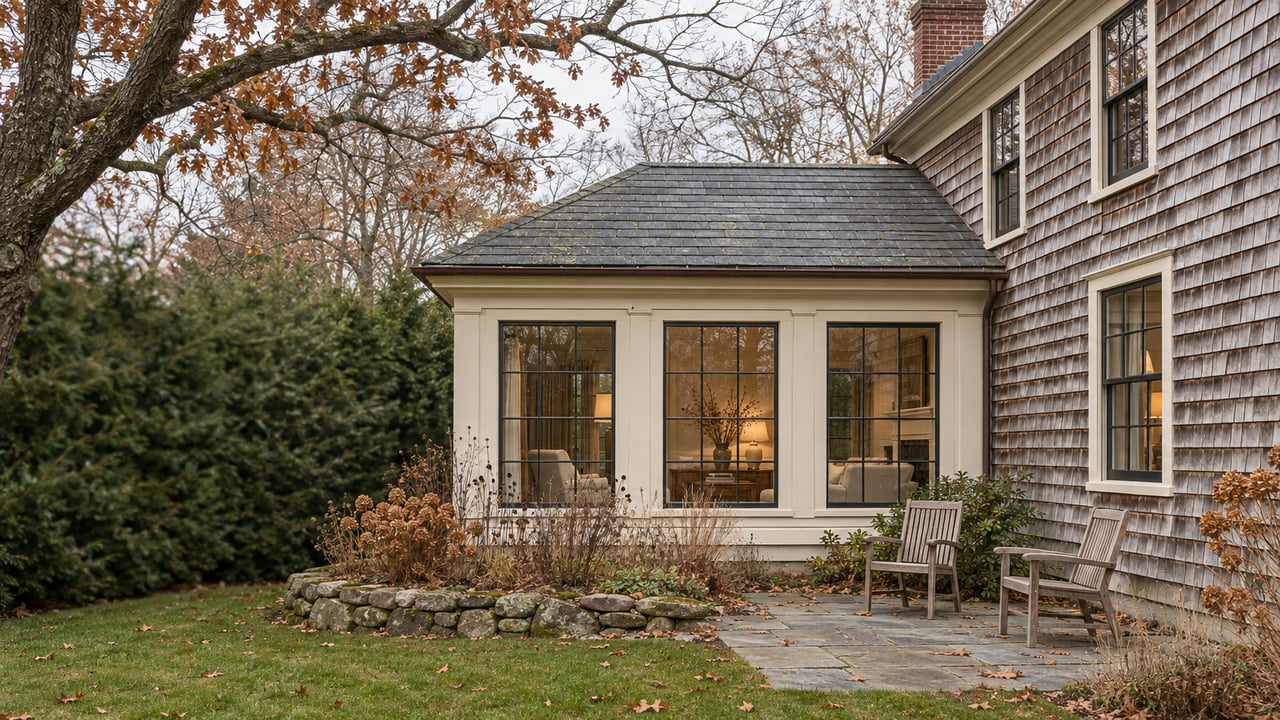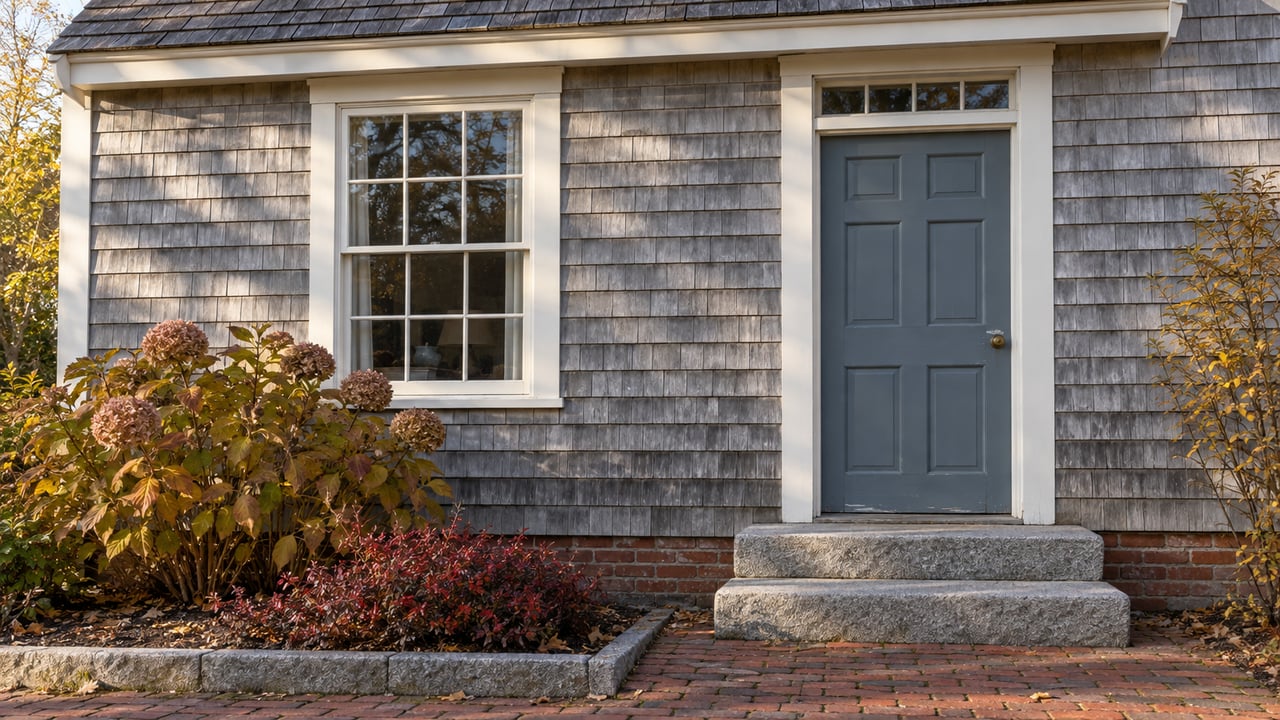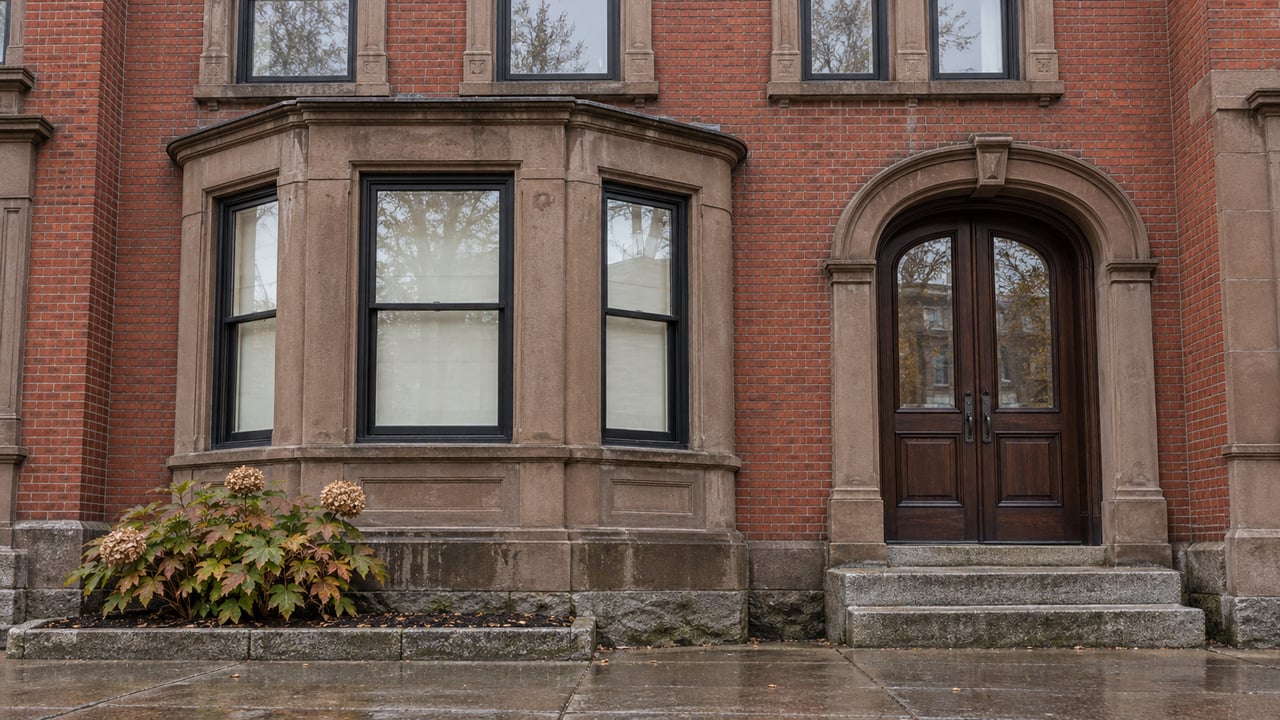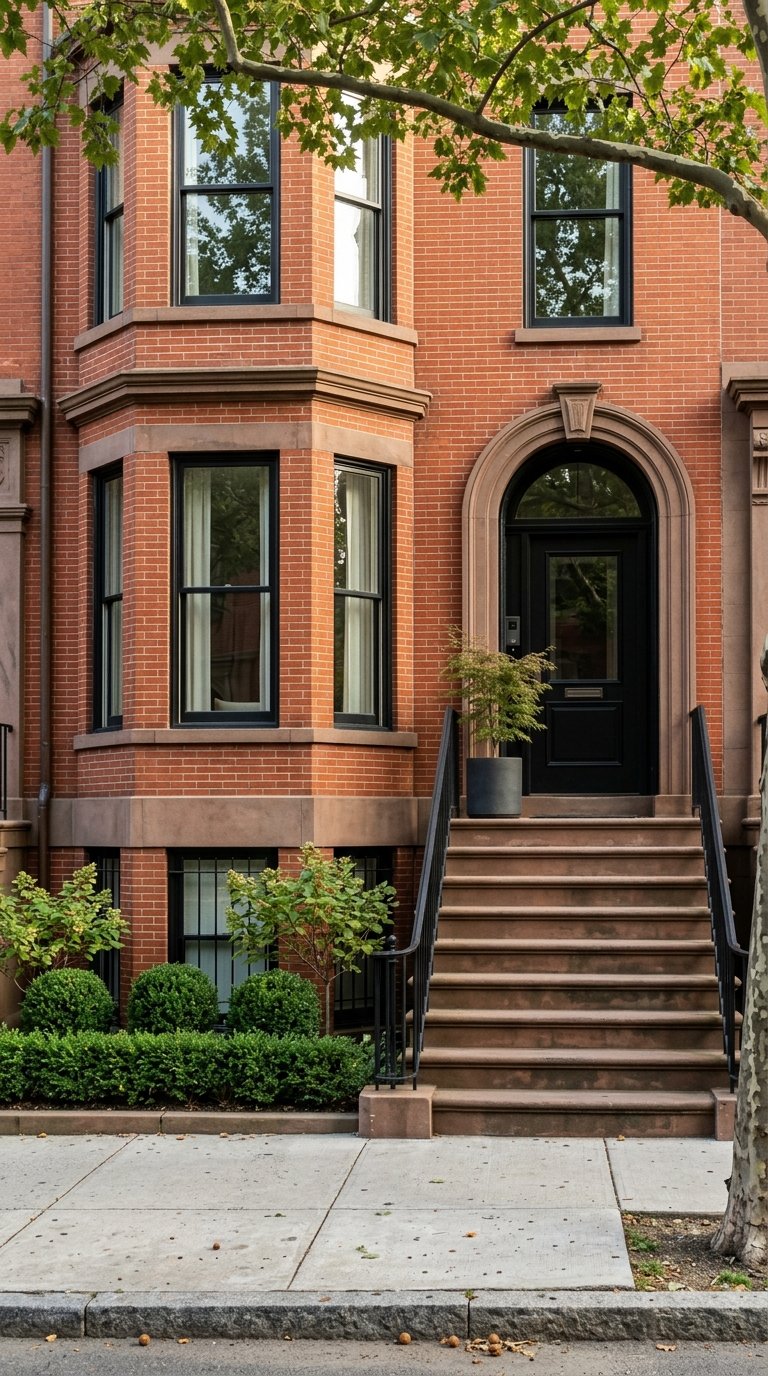
If you own a Boston brownstone, you are not selling a commodity. You are bringing a scarce, highly specific property to market in a city where architecture, location, and presentation can shape the final number as much as square footage. To position your home for a standout result, you need more than a listing date. You need a strategy built around pricing, preservation, timing, and buyer psychology. Let’s dive in.
Why Boston brownstones trade differently
Boston’s broader housing market remains expensive and somewhat competitive. Redfin’s Boston market data reported a median sale price of $806,000 in February 2026, with 23.0% of sales closing above list price and an average sale-to-list ratio of 98.6%.
Brownstone and townhouse neighborhoods sit in a different tier. Realtor.com’s October 2025 neighborhood figures placed median home prices at about $1.999 million in Back Bay, $1.425 million in the South End, $3.395 million in Beacon Hill, and $1.799 million in Bay Village, where only four active listings were noted at the time. In other words, scarcity is real, and in Boston’s rowhouse neighborhoods, it often shows up in thin inventory and even thinner comparable sales.
That matters because buyers are often paying for more than bedrooms and baths. They are responding to the stoop, façade, original trim, ceiling height, fireplaces, and the sense that the home belongs to a streetscape that cannot easily be replicated.
Historic character is part of value
In many of Boston’s signature townhouse corridors, preservation is not just a civic issue. It is part of the pricing story. The Boston Landmarks Commission and the city’s historic district commissions oversee areas where exterior changes may be reviewed or restricted, including protected districts such as Back Bay and Beacon Hill.
For sellers, the practical takeaway is simple. The visible architectural details that make a brownstone special are often the same details buyers notice first. In districts such as Bay Village and the South End, exterior work visible from a public way may require review or approval, so major last-minute changes are rarely the best place to start.
A stronger approach is usually to preserve and refine what already gives the property its identity. That can mean cleaning and repairing masonry, refreshing paint where appropriate, tightening up railings or entry details, and making sure period features feel well cared for rather than altered beyond recognition.
Price with precision from day one
Unique homes are often mispriced for one reason: sellers look too broadly. Citywide numbers offer context, but they should not drive the asking price for a distinctive townhouse in a premium micro-market.
Boston’s January 2026 snapshot showed 780 active listings, 392 new listings, a median listing price of $949,000, and a median 73 days on market, according to Realtor.com’s Boston market trends. That kind of market does not reward vague pricing experiments. It rewards a disciplined launch.
For a brownstone, pricing should be anchored to recent nearby closed sales, neighborhood-specific medians, and the property’s own architectural and condition profile. A well-positioned list price can create urgency and credible competition. An aspirational number without support can stall momentum, especially when Boston’s broader sale-to-list ratio already suggests buyers are paying close attention to value.
Choose timing that supports the launch
The best list date is not always the earliest possible one. In a market where preparation matters, going live before the home, visuals, and pricing strategy are fully ready can cost you leverage.
GBAR noted that winter weather contributed to seller hesitancy in February 2025 and that spring is typically more robust, as cited in the same Realtor.com Boston market report. That supports a simple principle: wait until the product is ready.
For many sellers, that means completing touch-ups, staging, photography, and pricing analysis before the listing appears. The first wave of buyer attention is often the strongest, so your launch should feel intentional, not rushed.
Prep the home without erasing its character
When sellers chase a record result, they sometimes assume bigger renovations are the answer. In Boston’s historic townhouse market, that is not always true.
The better strategy is often selective improvement. Back Bay’s residential guidelines emphasize maintaining and repairing historic materials and features rather than replacing them, and note that alterations to primary elevations other than restoration are generally inappropriate. South End standards similarly emphasize preserving facades, stoops, entryways, and original window patterns.
That preservation-minded framework aligns with what buyers often respond to in a brownstone sale. Instead of trying to make the home feel generic, focus on work that helps it feel polished, functional, and authentic.
High-impact pre-list updates
The most defensible pre-list improvements are usually:
- Deep cleaning throughout
- Decluttering and editing furnishings
- Fresh paint where needed
- Updated lighting and hardware
- Period-sensitive repairs to masonry, windows, or entry details
- Careful attention to stair runs, railings, and curb appeal
This kind of work improves presentation without stripping away the features that make the home distinct.
Staging should help buyers see the lifestyle
Staging is not about making a historic home feel trendy. It is about helping buyers understand scale, flow, and possibility.
According to the National Association of Realtors 2025 Profile of Home Staging, 83% of buyers’ agents said staging made it easier for buyers to visualize a property as a future home. The same report found that photos, physical staging, videos, and virtual tours remain important marketing tools.
For a Boston brownstone, the key rooms usually deserve the most attention:
- Living room
- Primary bedroom
- Dining room
A restrained staging plan often works best. You want to clarify proportions, highlight ceiling height, and draw attention to fireplaces, millwork, and natural light. The goal is to support the architecture, not compete with it.
Photography must sell scale and detail
For a premium townhouse, visuals do heavy lifting before a buyer ever schedules a showing. Professional photography is not optional. It is the baseline.
Your photography strategy should highlight the elements that help buyers understand why the home is different from a standard city listing. That often includes the stoop, façade, staircase, original trim, fireplaces, tall windows, entertaining rooms, and any outdoor space.
When done well, visuals also solve a common problem with narrow urban homes: they help buyers grasp flow. Strong imagery can show how formal rooms connect, how upper floors live, and how the property balances historic character with modern updates.
Use coming soon carefully
For some sellers, privacy matters almost as much as price. In those cases, a controlled pre-launch period can be useful, but it should be used with care.
Under MLS PIN rules and regulations, a Coming Soon listing is an off-market status with no showings allowed, requires a signed seller form, and may be used for up to 21 days from filing. MLS PIN also allows marketing during that period.
That creates a useful window to build anticipation, coordinate broker outreach, and make sure every asset is polished before the home goes fully live. But it is important to keep the goal in mind. A coming-soon period is a controlled teaser, not a substitute for full market exposure when price discovery is the objective.
When discretion makes sense
A measured off-market or coming-soon strategy may appeal if you want:
- Added privacy before public launch
- Time to finish prep without losing momentum
- Early awareness among qualified buyers and brokers
- A more controlled rollout
Still, when the aim is a top-of-market result, broad visibility often remains the stronger path once the home is ready.
Buyer math still matters
Even in the luxury segment, market conditions shape how buyers assess value. Freddie Mac reported that the average 30-year fixed mortgage rate was 5.98% on February 26, 2026.
That rate environment does not erase demand for well-located brownstones, but it does make buyers more selective. They are more likely to scrutinize monthly carrying costs, building condition, and whether a home feels worth the premium versus newer alternatives.
For sellers, that reinforces the case for strong pricing, clear presentation, and visible upkeep. If buyers sense they are purchasing both beauty and stewardship, the value story becomes much easier to support.
What a record-sale strategy really looks like
A record or near-record result rarely comes from one big move. It is usually the outcome of several disciplined decisions working together.
In Boston, that means:
- Pricing to the micro-market, not the citywide average
- Respecting historic-district considerations
- Completing selective, high-return prep
- Staging key spaces to clarify scale and use
- Investing in strong photography and marketing assets
- Using coming-soon or off-market tools strategically, not automatically
- Launching only when the home and message are fully ready
That kind of approach is especially important in neighborhoods where every brownstone is similar at a glance but different in the details. Buyers at the top of the market notice those details, and so should your sale strategy.
If you are considering selling a Boston brownstone and want a tailored plan for pricing, presentation, and launch, connect with Hanneman Gonzales for a confidential consultation.
FAQs
How should you price a Boston brownstone for a top sale?
- You should anchor pricing to recent nearby closed sales, neighborhood benchmarks, and the home’s specific character and condition rather than relying on broad Boston averages alone.
Should you renovate a Boston brownstone before listing it?
- In many cases, selective updates such as cleaning, paint, lighting, hardware, and period-sensitive repairs are more effective than major alterations, especially in historic districts.
Do Boston historic district rules affect brownstone sellers?
- Yes. In several Boston neighborhoods, exterior work visible from a public way may require review or approval, so it is wise to confirm any requirements before starting visible changes.
Is staging worth it for a Boston townhouse sale?
- Yes. NAR’s 2025 staging report found that 83% of buyers’ agents said staging helps buyers visualize a property as a future home.
How does Coming Soon work for a Boston listing?
- Under MLS PIN rules, a
Coming Soonlisting is off market, showings are not allowed during that status, and the period can last up to 21 days from filing with a signed seller form.
Does broad exposure still matter when selling a luxury Boston brownstone?
- Yes. A controlled pre-launch can build anticipation, but full market visibility is often the stronger route when your goal is the best possible price discovery.