If you are thinking about selling a home in Provincetown, timing is not just a detail. It can shape how buyers experience your property, how quickly it gains traction, and how confidently you can price it. In a market defined by seasonality, lifestyle appeal, and a wide range of property types, a thoughtful plan matters. This guide walks you through how to think about timing, pricing, and presentation so your sale is positioned to perform well. Let’s dive in.
Why timing matters in Provincetown
Provincetown operates differently from a typical year-round market. The town promotes itself as active throughout the year, but it also sees a clear seasonal rhythm, with heavy visitor activity from May through September and active shoulder seasons in spring and fall. According to the Town of Provincetown tourism information, major events and travel patterns continue to drive attention well beyond a single summer holiday window.
For many sellers, late spring through early fall offers the strongest exposure. That is usually when the town is busiest, outdoor spaces look their best, and buyers can fully appreciate decks, patios, gardens, beach access, and water proximity. It is also when local activity, parking controls, and tourism energy make the lifestyle story easier to see in person.
That said, a fall or shoulder-season listing can still work. Provincetown continues to attract visitors outside peak summer, and the town’s event calendar helps maintain interest into October and beyond. If your property shows well year-round or appeals to buyers looking for a second home, investment property, or full-time residence, the best listing window may depend more on your readiness than on a single calendar date.
Best seasons for seller exposure
The practical sweet spot for many listings is when your home feels visually alive and easy to access. Summer-ready landscaping, brighter window light, and active outdoor living all support stronger first impressions online and in person. In Provincetown, that can make seasonal timing more important than it would be in a less tourism-driven market.
Local logistics also matter. The town notes that paid parking for visitors starts May 1, and summer traffic patterns can affect how buyers tour homes. If your property includes off-street parking, a private entry, or easy access, those details become even more valuable during busy months.
Read market data carefully
Provincetown sales data can be helpful, but it should be interpreted with caution. The local sample size is small, so monthly numbers can swing sharply. Recent Massachusetts market snapshots show that Provincetown single-family median sale prices moved from $3.5 million in June 2025 to $2.55 million in August 2025 and $2.15 million in January 2026, while condo medians remained near $1 million, including $1.05 million in December 2025, according to the Massachusetts market report for Provincetown.
The takeaway is simple: do not rely on one townwide number alone. In Provincetown, pricing should reflect your specific property type, condition, location, parking, and overall scarcity. A well-positioned condo and a detached home near the water are not competing in the same lane.
How to price a Provincetown home
Pricing in Provincetown works best when it is property-specific rather than average-driven. Recent reports suggest two broad bands in the market: condos around the $1 million range and detached homes in the multimillion-dollar range. That does not mean every condo or home fits neatly into those brackets, but it does show why precise positioning matters.
A condo buyer may focus on ease of ownership, strong condition, parking access, and how efficiently the home can be used or rented. A detached-home buyer may place more value on privacy, outdoor space, water proximity, and rarity. Those are different motivations, and your asking price should speak to the buyer most likely to respond.
Price for your property’s use case
If your home has been used as a second home, primary residence, or rental property, that history may influence value, but not automatically in the same way. Buyers tend to pay for a clear and compelling ownership story. That may mean turnkey condition, attractive outdoor areas, useful storage, documented updates, or organized rental records.
If your property has parking, private outdoor space, or a layout that feels easy and efficient, those features deserve careful emphasis. In a compact coastal market, practical details often carry more weight than raw square footage alone.
Rental income needs context
In Provincetown, short-term rental history can attract interest, but buyers usually look beyond gross revenue. They want to understand how the property performs after taxes, insurance, fees, and compliance costs. That is especially important in a market with a strong short-term rental presence.
Massachusetts reports that Provincetown has the state’s highest share of housing registered as short-term rentals at 27%, based on the state’s seasonal homes and short-term rental analysis. At the same time, the town states that professionally managed short-term rentals can face a 17.45% total occupancy tax burden, along with registration requirements and at least $1 million in liability insurance, as outlined on the town’s short-term rental occupancy tax page.
That means a rental-oriented sales strategy should present the full financial picture. Clean documentation and a realistic net-income story are often more persuasive than headline revenue alone.
Waterfront pricing should include carrying costs
Waterfront and near-water homes often command strong interest in Provincetown, but buyers also think about long-term ownership costs. Flood exposure and insurance can influence how a property is perceived and what a buyer is willing to pay.
FEMA notes that its flood maps are the official source for hazard and insurance information, and Provincetown has also announced an improved flood-insurance rating that is expected to provide a 15% premium discount for most NFIP policyholders with policies issued or renewed on or after October 1, 2026. For sellers, that means pricing a water-adjacent home should balance desirability with the practical realities of insurance and resilience planning.
Presentation shapes first impressions
In Provincetown, presentation is not just about making a home look nice. It is about helping buyers immediately understand the lifestyle your property offers. That starts online, where strong visuals often determine whether a buyer schedules a showing.
The National Association of Realtors reports that 52% of buyers found the home they purchased online, and 81% rated listing photos as the most useful feature in their search. In a visual, destination-driven market like Provincetown, those numbers matter.
Focus on summer-ready photography
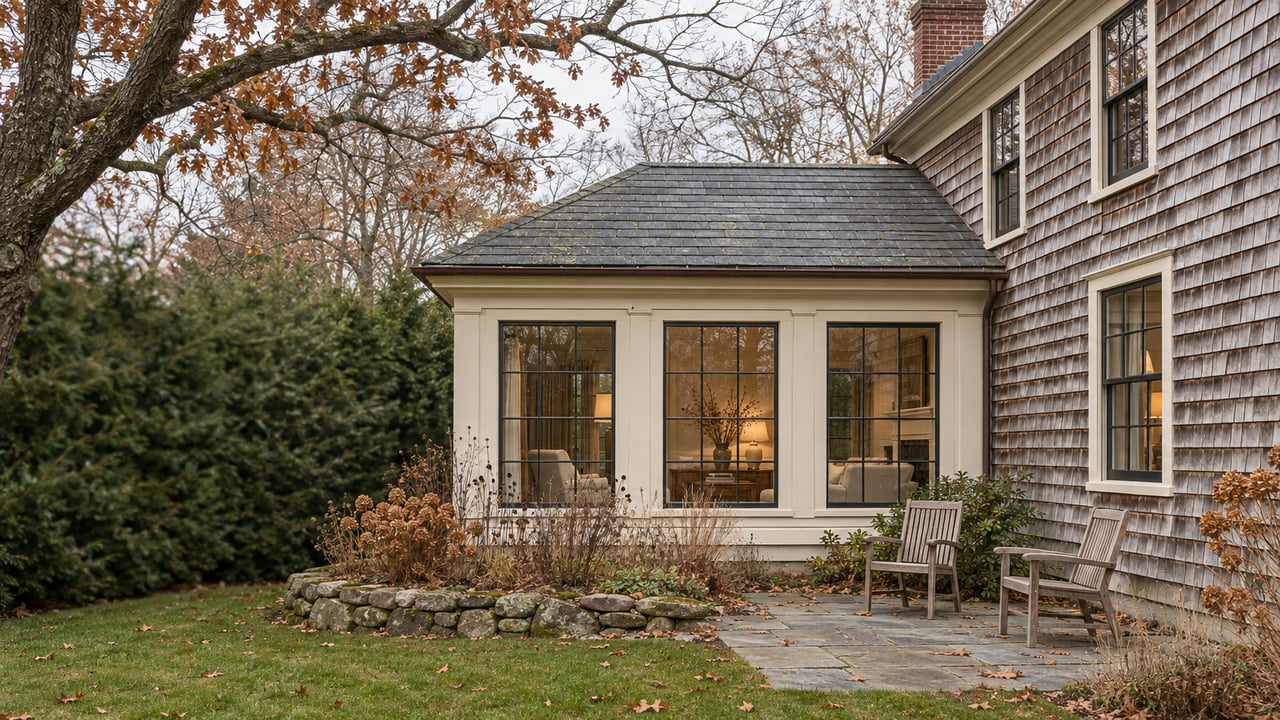
Seasonal photography is especially important here. Outdoor spaces, natural light, landscaping, and views tend to show best when the town is in full seasonal rhythm. If your home has a deck, patio, garden, or water view, the ideal photo window may be the same period when buyer demand is strongest.
That does not mean every property must wait until midsummer. It means your photos should capture the home when it feels most inviting and complete. A bright, polished image set can do a great deal of work before a buyer ever steps through the door.
Stage the rooms buyers notice most
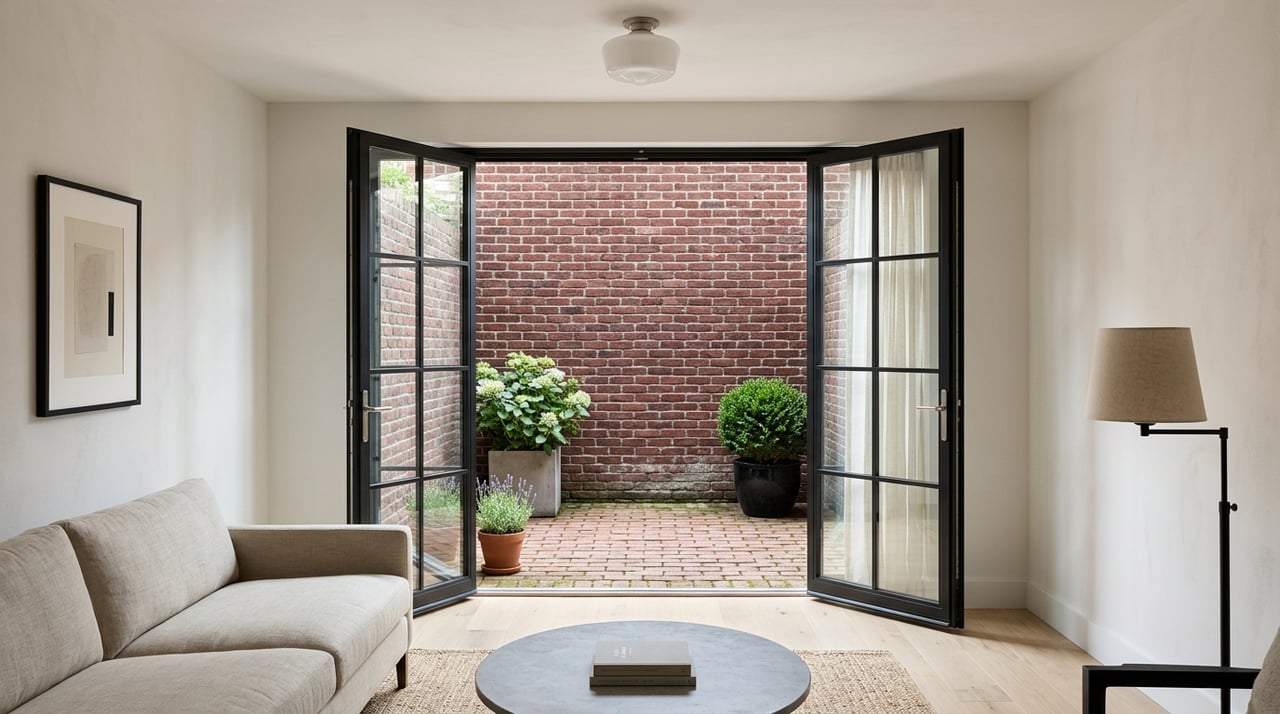
NAR’s 2025 staging research highlights the living room, primary bedroom, dining room, kitchen, and outdoor space as the most commonly staged areas. In Provincetown, those priorities align well with what many buyers want to see: a home that feels easy, bright, and ready to enjoy.
A strong preparation plan usually includes:
- Decluttering surfaces and storage areas
- Cleaning windows to maximize light
- Simplifying furniture layouts so rooms read clearly
- Refreshing outdoor seating or garden areas
- Highlighting practical features like parking, storage, or a private entrance
These steps can be especially important in smaller condos and cottages, where buyers are often evaluating how the home lives, not just how large it is.
Plan showing logistics early
Showing strategy in Provincetown should account for seasonal traffic and access. If your home is listed during the busier months, buyers may need extra guidance on parking, arrival timing, or entry instructions. This is not glamorous, but it is part of creating a smooth experience.
If your property includes dedicated parking or easier access than competing homes, that should be clearly communicated. During high-traffic periods, convenience can support buyer confidence and improve showing quality.
Selling a home with active rental bookings
If your Provincetown property is currently rented or has an established short-term rental pattern, preparation should start well before the listing goes live. Local rules make organization especially important.
The town states that a dwelling cannot be offered as a short-term rental unless it is annually registered, that the registration must be in the owner’s name, and that the short-term rental certificate can be canceled when the property is sold or transferred, according to the town’s short-term rental bylaw materials. The bylaw also caps certificates at 1,500, which makes current certificate status a meaningful part of the property story.
The town’s rental information page also notes that rental regulations apply to short-term and longer rentals, and that the application process includes emergency contact information, safety certifications, and a $750 annual fee per unit. For sellers, this means rental calendars, registration records, safety documents, and showing access should all be organized in advance.
Be transparent about fees and compliance
If the property remains available as a rental while it is on the market, clarity matters. Massachusetts consumer guidance states that mandatory fees such as cleaning, amenity, admin, and booking fees must be included in the advertised total price, as explained in the state’s short-term vacation rental guidance.
For a seller, that means your rental information should be accurate, current, and easy for a buyer to review. A well-prepared file can reduce friction and help a buyer understand the opportunity without confusion.
A smart sale starts with strategy
Selling in Provincetown is rarely about one lever alone. The best outcomes usually come from aligning the right timing, a disciplined pricing strategy, and polished presentation that matches the market’s lifestyle-driven demand. When those pieces work together, your property has a stronger chance to stand out.
If you are considering a sale in Provincetown and want a tailored, discreet plan, Hanneman Gonzales can help you evaluate timing, presentation, and pricing with a market-specific strategy.
FAQs
When is the best time to sell a home in Provincetown?
- Late spring through early fall often provides the best mix of buyer traffic, strong presentation conditions, and seasonal energy, though shoulder-season listings can still perform well.
How should a Provincetown condo be priced?
- A Provincetown condo should usually be priced based on its condition, parking, layout, location, and ease of ownership rather than a broad townwide average.
Does short-term rental history add value to a Provincetown property?
- Short-term rental history can help, but buyers usually focus on net income, documentation, compliance, and whether the property is truly rental-ready.
What rooms matter most when staging a Provincetown home?
- The living room, primary bedroom, kitchen, dining area, and outdoor spaces are often the most important areas to prepare for listing photos and showings.
What should sellers know about Provincetown short-term rental rules?
- Sellers should know that short-term rentals require annual registration in the owner’s name, the certificate can be canceled upon sale or transfer, and related documents should be organized before listing.
How do flood and insurance issues affect Provincetown home pricing?
- Flood exposure and insurance costs can influence value, especially for waterfront or near-water homes, so pricing should account for both desirability and carrying costs.