Are you torn between Boston’s storied South End and the sleek energy of the Seaport? You want city living, but the daily experience in each neighborhood feels very different. This guide breaks down homes, transit, amenities, costs, and long‑term considerations so you can choose the lifestyle that fits you best. Let’s dive in.
Quick take
- Choose the South End if you love historic streets, neighborhood dining, and classic architecture in low‑rise buildings.
- Choose the Seaport if you want modern towers, full amenities, waterfront access, and a high‑energy scene.
Neighborhood character
South End in a snapshot
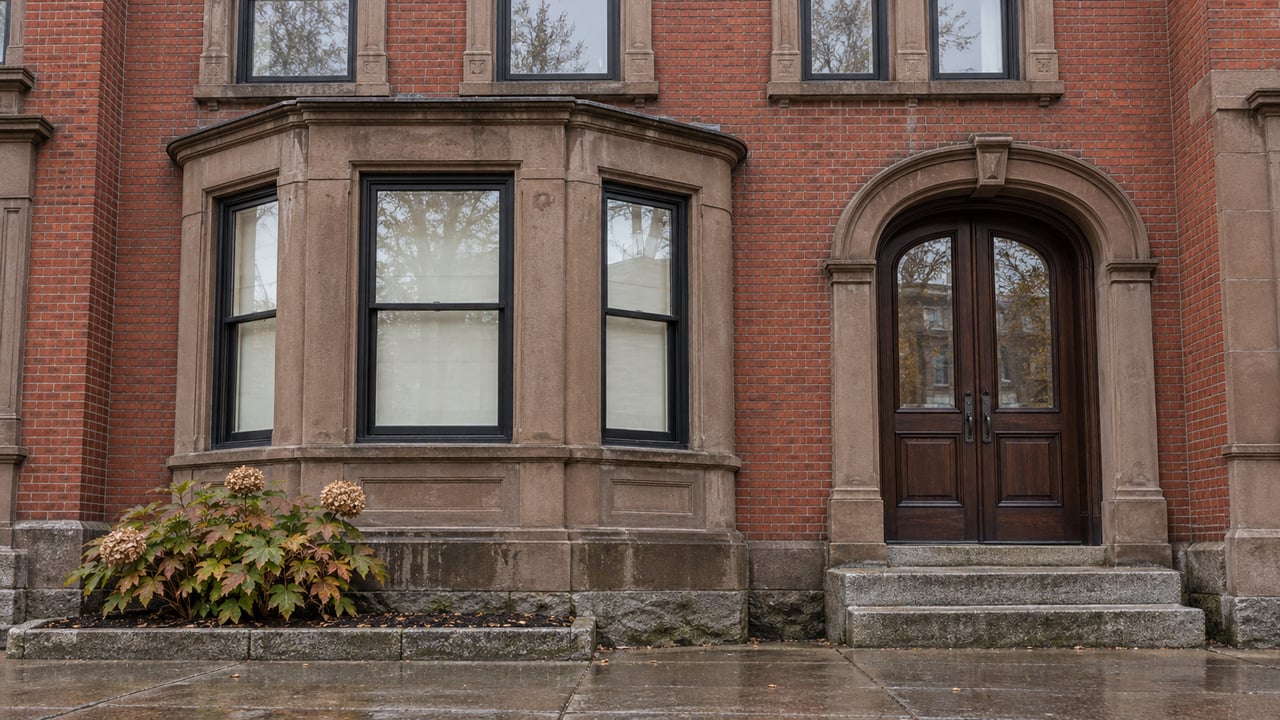
The South End is defined by 19th‑century Victorian and Italianate rowhouses, tree‑lined streets, and pocket parks. You get a true neighborhood feel with quieter blocks and a mix of restaurants, cafes, galleries, and boutique retail. Many buildings sit in historic districts that preserve façades and streetscapes, which protects character over time.
Seaport in a snapshot
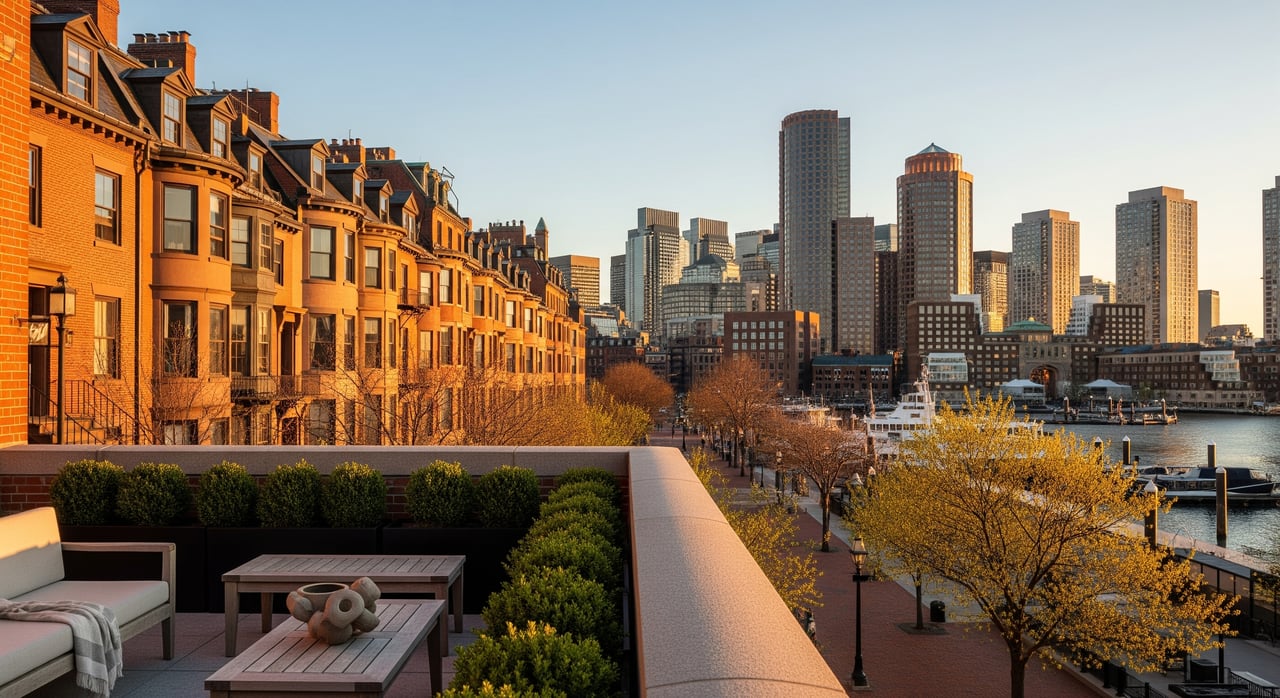
The Seaport is Boston’s contemporary waterfront district. You see glass towers, modern condos, mixed‑use campuses, and a strong hospitality and nightlife scene. Public spaces focus on the Harborwalk, waterfront parks, and event venues that create an active environment day and night.
Homes and buildings
South End architecture and features
You will find brownstone condos, floor‑through units, whole‑house conversions, and lofts from warehouse conversions. Interiors often feature high ceilings, moldings, fireplaces, and original woodwork, with kitchens and systems that range from vintage to fully renovated. Building amenities tend to be minimal, and in‑unit laundry can vary in older conversions. Parking is limited and often comes as deeded or off‑site spaces at a premium.
Seaport residences and amenities
Seaport inventory skews to high‑rise and mid‑rise luxury condos with open plans, modern finishes, floor‑to‑ceiling windows, and integrated HVAC with in‑unit laundry. Full‑service amenities are common, including concierge, gyms, pools, lounges, workspaces, bike storage, package rooms, and on‑site garage parking. Expect higher monthly fees in amenity‑heavy buildings, which cover staffing, common facilities, and garage operations.
Parking and ownership tradeoffs
If guaranteed parking matters, the Seaport generally offers more on‑site garage options, often at added cost. In the South End, parking is scarce, and many owners rely on permit street parking or purchase a deeded spot separately. Older South End buildings may need more maintenance over time, while Seaport buildings may see higher routine HOA fees and occasional special assessments.
Getting around
Walkability and bikes
Both neighborhoods are highly walkable. The South End puts you near local shops, cafes, and galleries woven into residential blocks. The Seaport is walkable to waterfront parks, restaurants, and retail. Both areas offer bike‑share docks and growing bike infrastructure.
Transit and airport access
From the South End, you have convenient connections to Back Bay and South Station, with access to multiple subway lines and commuter rail. The Seaport is served by the Silver Line, which connects to South Station and Logan Airport, and is within walking distance of South Station. Ferry services and event shuttles can add options seasonally.
Car ownership and parking
Driving is possible from both neighborhoods, but peak‑hour congestion is common. The Seaport can experience delays during major events due to visitor traffic. Street parking is limited in both areas, with the Seaport leaning on paid garages and the South End relying more on permit parking and hard‑to‑secure deeded spaces.
Dining, parks, nightlife
Dining and retail
The South End is known for chef‑driven neighborhood restaurants, brunch spots, bakeries, and boutique retail, especially around the SoWa arts district. The Seaport concentrates destination dining, seafood, and rooftop bars with a strong hospitality presence. Think everyday local dining in the South End, and celebration or nightlife destinations in the Seaport.
Parks and waterfront
In the South End, you get smaller parks like Blackstone and Franklin Squares and tree‑lined residential greens woven into the streetscape. In the Seaport, you have the Harborwalk, Fan Pier Park, Seaport Common, and nearby event lawns that open onto the water. The Seaport offers direct waterfront access, while the South End is a short ride to the Charles River or harbor via adjacent areas.
Nightlife and events
The Seaport has a dense mix of bars, venues, and outdoor programming, with busy nights and event peaks linked to conventions and concerts. The South End stays lively around restaurants and SoWa events, yet tends to be quieter overall in the late evening.
Costs and monthly realities
Purchase price context
Both neighborhoods sit among Boston’s most expensive condo markets. The Seaport often commands premium prices for newer construction, views, and amenities. The South End also achieves premium pricing, especially for renovated brownstones, historic details, and whole‑house offerings. For current pricing, review live inventory and recent comparable sales.
HOA fees and upkeep
Seaport buildings typically carry higher HOA fees to support concierge services, fitness centers, pools, and garages. South End condos often have lower common fees, but owners may shoulder more out‑of‑pocket costs for older systems and occasional assessments if reserves are lean. Property taxes are set by the City of Boston and reflect assessed values regardless of neighborhood.
Insurance and climate risk
The Seaport sits on filled waterfront parcels, so coastal flooding and storm surge are important considerations. Some buildings and owners may need flood insurance, and many properties include resiliency features. The South End is less exposed to tidal surge but can see basement‑level flooding during heavy rain. Always check a property’s flood zone, building measures, and insurance requirements before you commit.
Resale and the future
Preservation vs. new development
The South End’s historic district protections limit exterior changes and preserve streetscape character, which helps maintain neighborhood appeal. New development is mostly infill and adaptive reuse. In the Seaport, active planning and ongoing projects continue to reshape the area, adding offices, residences, and public spaces alongside resilience investments. Expect construction cycles and new amenities to shape the experience over time.
Investment and resale considerations
Limited supply and historic charm in the South End tend to support demand and value retention, especially for unique features like original woodwork, stoops, and private gardens. In the Seaport, amenity‑rich buildings attract buyers seeking modern systems and services, though pricing and absorption can be sensitive to new project deliveries. As always, outcomes depend on unit type, building reputation, and market timing.
Which lifestyle fits you?
Choose the South End if you want:
- Tree‑lined blocks, classic architecture, and a strong neighborhood feel.
- Chef‑driven local dining, galleries, and markets like SoWa.
- Low‑rise living, with minimal building amenities.
- Central access to multiple transit lines from nearby nodes.
- A quieter evening environment with walkable daily conveniences.
Choose the Seaport if you want:
- Modern condos with concierge, gyms, pools, and on‑site parking.
- Waterfront parks, Harborwalk, and event programming.
- Proximity to tech employers, the convention center, and nightlife.
- Direct Silver Line access to South Station and Logan Airport.
- A fast‑paced environment with new development and services.
How to choose your block
Use this simple process to pressure‑test your decision:
- Tour at different times. Visit mornings, evenings, and weekends to gauge noise, foot traffic, and parking patterns.
- Test your commute. Walk to transit, try a bike share, and sample a drive to your frequent destinations.
- Verify parking. Confirm whether a spot is deeded, leased, or available only by permit, and factor monthly costs.
- Review building health. Read condo docs, reserves, recent assessments, and planned capital projects.
- Assess climate exposure. Check flood zones, building resiliency features, and insurance needs, especially on the waterfront.
- Inspect systems and finishes. In older South End conversions, budget for upgrades; in Seaport towers, weigh HOA fees against amenity value.
Ready to explore?
If you want a refined, data‑driven approach to choosing between the South End and the Seaport, you are not alone. Our team brings deep neighborhood expertise, discreet client service, and access to on‑ and off‑market opportunities that make the difference. For a tailored comparison and a plan that fits your goals, connect with Hanneman Gonzales.
FAQs
What are the main lifestyle differences between South End and Seaport?
- The South End offers historic streets, neighborhood dining, and quieter evenings, while the Seaport delivers modern towers, full amenities, waterfront parks, and a more event‑driven nightlife.
How does public transit access compare between the two areas?
- The South End is close to multiple subway and commuter rail nodes, while the Seaport relies on the Silver Line to reach South Station and Logan Airport and is walkable to South Station.
What should I expect for parking in each neighborhood?
- The Seaport more often provides on‑site garage parking at added cost, while the South End has limited parking, with many owners relying on street permits or deeded spots when available.
Are HOA fees typically higher in Seaport buildings?
- Yes, amenity‑rich Seaport towers usually have higher monthly fees to support concierge, fitness centers, pools, and garage operations, compared to many South End brownstone associations.
How do flood and climate risks differ between South End and Seaport?
- The Seaport has higher exposure to coastal flooding and storm surge, often requiring flood risk review and insurance, while the South End’s primary concern is heavy‑rain basement flooding in some older buildings.
Which neighborhood tends to hold value better over time?
- Both can perform well, but dynamics differ: South End supply is constrained and historic appeal supports demand, while Seaport values reflect modern amenities and can track new construction cycles and building reputation.