If you have ever wondered what it really feels like to own a home at the very tip of Cape Cod, you are not alone. Provincetown is a small town with an outsized presence, equal parts creative energy and coastal calm. You get lively summer weeks, quiet winter mornings, and a lifestyle that changes with the seasons. In this guide, you will see how life flows across the year, what and where people buy, and the practical rules and costs you should understand before you make a move. Let’s dive in.
The year in Provincetown
Summer energy, everyday rhythms
In summer, Provincetown runs at full volume. Commercial Street fills with pedestrians, galleries and restaurants keep long hours, and major events draw large crowds. Peak days are widely cited to bring the town’s population to tens of thousands on top of a year‑round base of about 3,600 residents as reported locally from the 2020 Census. Ferries from Boston and regional flights are heavily used, which makes planning your arrivals part of ownership. If you prefer to skip Route 6 traffic, the seasonal ferry schedules are a favorite resource for owners and guests alike, and you can check current options through the Provincetown Office of Tourism’s ferries page.
Summer also means you will use the town’s paid parking system. Meters and lots are enforced seasonally, and resident or visitor permits can make day‑to‑day life easier when you host friends. Review the town’s permit process through the Parking Department so you know what to expect.
Spring and fall shoulder seasons
April to May and September to October are a sweet spot for many owners. You still get beach walks and gallery time, but with lighter traffic and more reliable parking. Some restaurants and shops reduce hours or close mid‑week, which gives the town a quieter, local feel. If you like a slower pace with decent weather, the shoulder seasons are a strong reason to buy.
Winter pace, quiet beauty
Off‑season, Provincetown exhales. You might take a brisk walk at Herring Cove in the morning, then settle into a quiet afternoon at home while the town moves at a slower clip. Some businesses close entirely, and the town enforces snow‑emergency parking rules as needed. Municipal projects continue through winter, including multi‑phase sewer work, so it is wise to check DPW construction updates before you plan visits. If you appreciate solitude and a tight‑knit community feel, winter can be part of the magic.
Where you might buy
Condominiums and cottage‑style condos
Compact condos around Commercial and Bradford Streets are popular for weekenders who want a lock‑and‑leave lifestyle. These homes tend to be smaller and command a higher price per square foot because they place you steps from restaurants, galleries, and the waterfront.
Historic cottages and Victorians
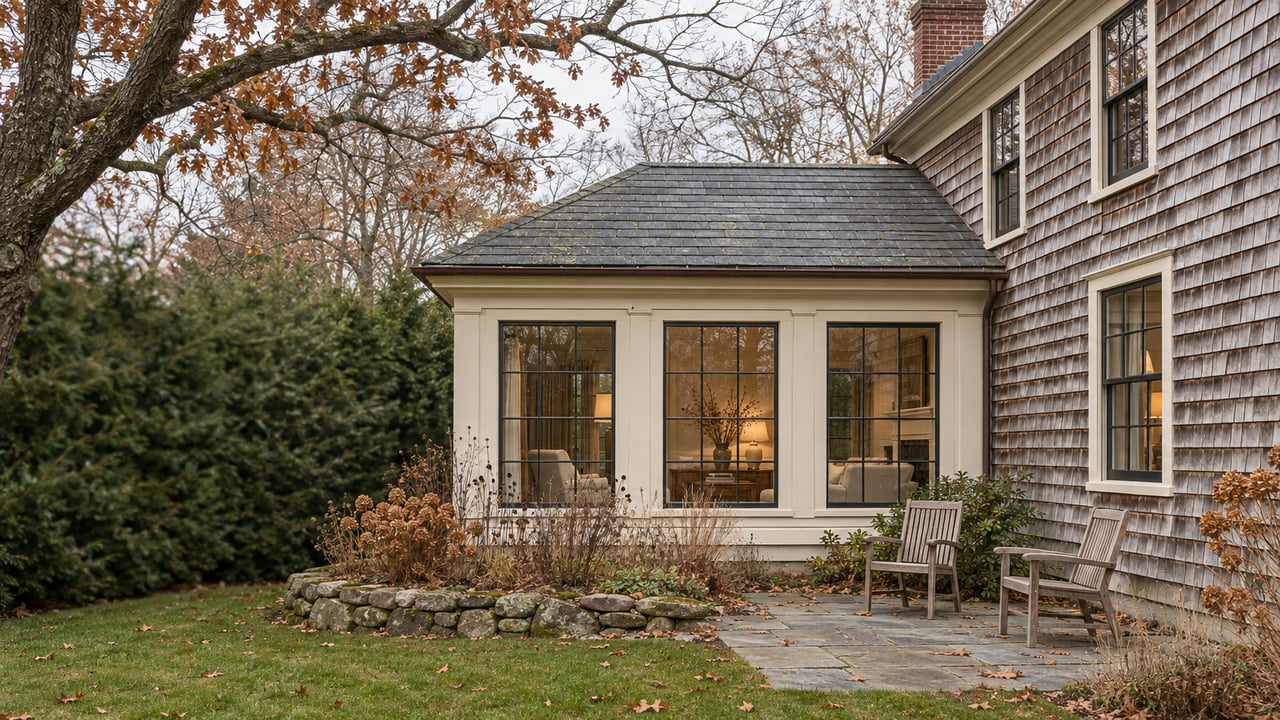
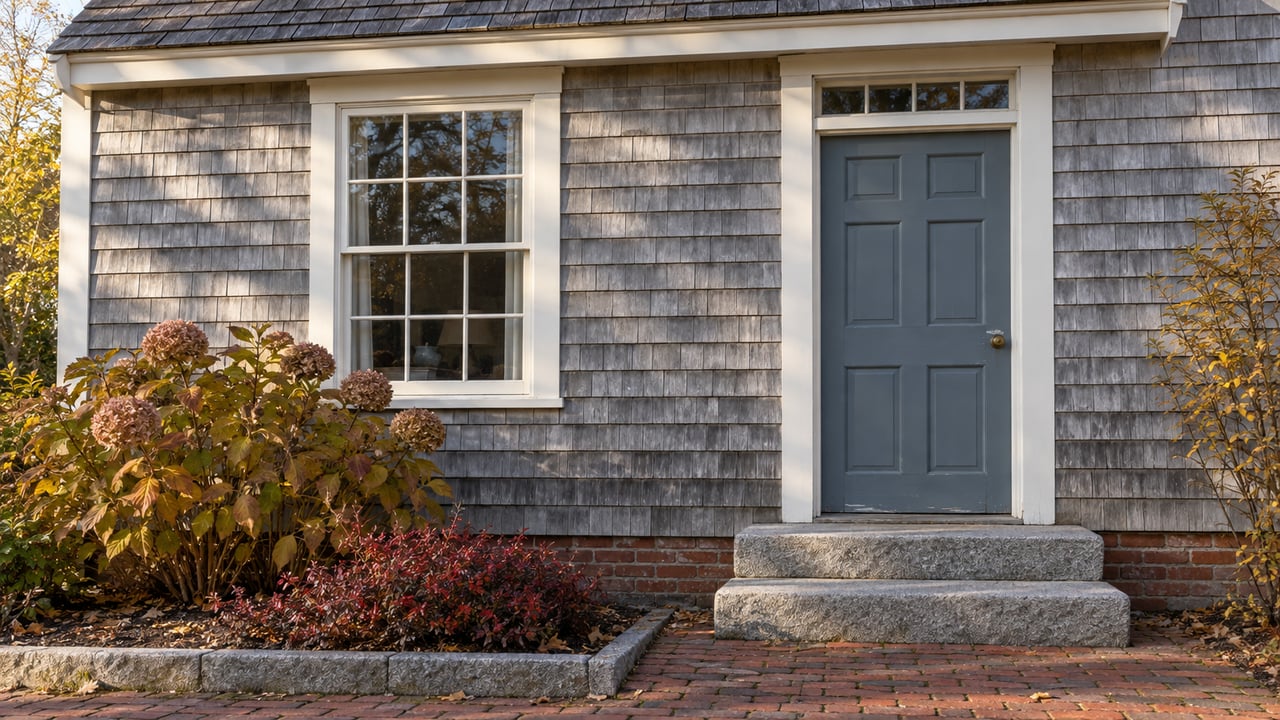
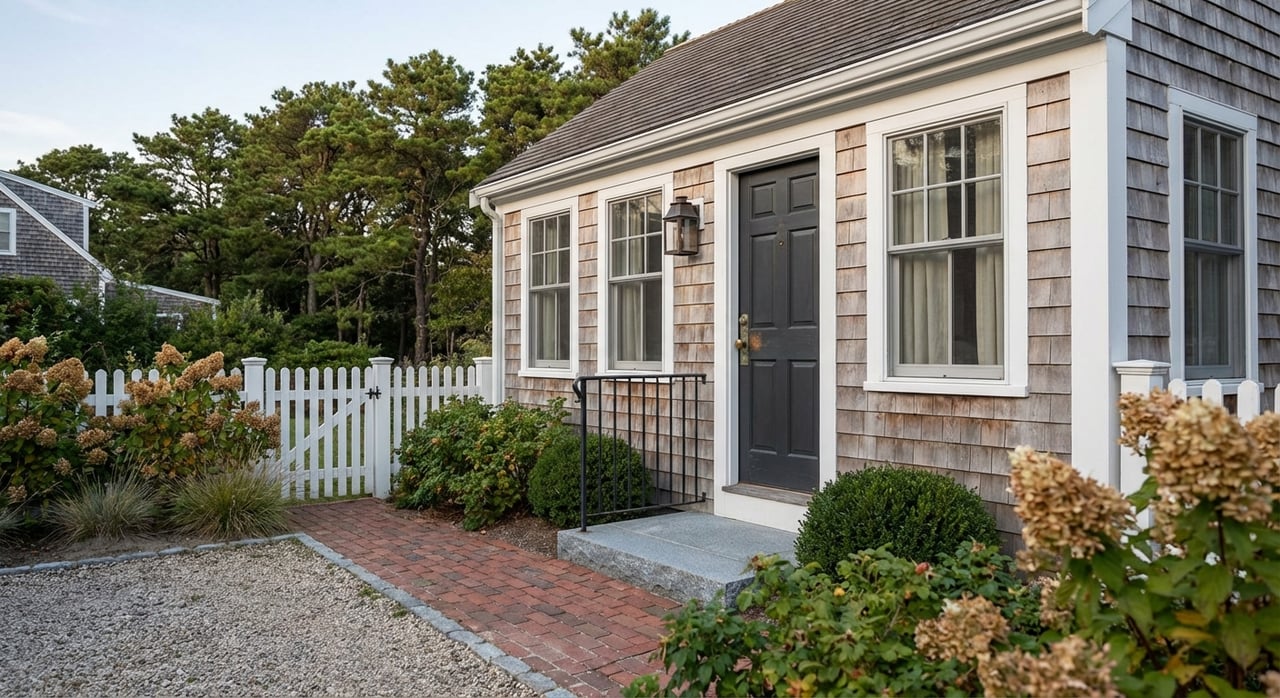
Character homes in the West and East Ends offer antique details and charm. Many were once inns or guesthouses. If you love original beams and unique floor plans, this can be a fit. Be ready for maintenance, and pay attention to elevation, foundations, and flood mitigation in your diligence.
Waterfront and harborfront units
Direct harbor access and beachfront views often come with flood‑zone considerations. Many waterfront parcels fall into FEMA AE or VE zones, which affect insurance and building requirements. For any waterfront home, confirm the FEMA mapping and request an elevation certificate.
Provincelands and dune context
Race Point, Herring Cove, and the Provincelands are prized for direct access to the Cape Cod National Seashore. The dune shacks are a storied part of Provincetown’s artist history and are managed through the National Park Service, not typical private residential inventory. Learn more about the historic district through the NPS overview of the dune shacks.
Neighborhood pockets at a glance
Commercial Street and Town Center
You live in the town’s walkable core, with galleries, shops, and nightlife at your doorstep. It is ideal if you want to be in the middle of the action and plan to use your home often in summer.
West End
Scenic and residential with sought‑after pockets near Delft Haven and Herring Cove. Expect renovated cottages, small inns, and lovely sunset walks. Owners who want proximity to the center with a more polished residential feel often land here.
East End
Known for galleries and historic homes, the East End offers quiet stretches of Commercial Street and charming side streets. It suits buyers who want an arts‑oriented atmosphere within an easy walk or bike ride to the center.
Race Point and Provincelands
Remote by Provincetown standards, this area delivers nature first. You buy here for beach access and dunes rather than immediate town services. Confirm conservation and park boundaries as part of diligence.
Practical ownership essentials
Getting here and getting around
- Ferries run seasonally between Boston and Provincetown. They are popular with owners and guests during summer. Check current operators and schedules through the Town’s tourism page.
- Parking is paid and permit‑based during the main season. Review permit types, online applications, and enforcement details on the Parking Department page.
Flood, sea‑level rise, and insurance
Flood exposure is a central consideration for coastal buyers. Provincetown’s Coastal Resilience Plan models sea‑level rise scenarios and cites projections up to about 51 inches by 2070, with related infrastructure and replacement‑cost exposure. You can read the town’s summary on the Coastal Resilience Plan page.
The town recently improved its National Flood Insurance Program Community Rating System standing to CRS Class 7, which typically yields a 15 percent NFIP premium discount for many policyholders. See the town’s announcement of the CRS rating improvement. Plan for both homeowners and separate flood coverage where applicable, and obtain quotes early. For broader coastal insurance context, the county’s program resources are a useful primer on coastal processes and risk.
Sewer, utilities, and street work
Provincetown is in a multi‑year sewer expansion that connects more streets and reduces strain on septic systems. This is a positive for water quality and long‑term property value, but it can include temporary disruptions and betterment assessments. Check parcel status and current work through the Town’s DPW sewer project updates.
Short‑term rentals: rules and taxes
If you plan to rent your home by the week or month, understand registration and taxes up front. Provincetown requires rental certificates and inspections for many rental types, with owners registering units locally and with the Massachusetts DOR. In most Cape towns, the baseline room‑occupancy excise totals 14.45%. Provincetown also applies a 3% community impact fee to professionally managed units, which can bring affected operators to 17.45%. Review the details on the Town’s Short‑Term Rental information page.
Local bylaws have also limited corporate ownership and the number of STR certificates per owner in recent years. If rentals are part of your plan, verify the certificate status and any grandfathered conditions during diligence.
Carrying costs and property taxes
Provincetown’s FY 2026 residential property tax rate is $6.13 per $1,000 of assessed value. Confirm the current fiscal year with the Assessor and ask about any parcel‑specific betterments related to sewer expansion. Add utilities and potential flood insurance to your budget so your cashflow reflects total cost of ownership.
What the market feels like
Provincetown is a high‑cost Outer Cape market. As of early 2026, major trackers place the median sale price roughly around $1.2 million, with typical home values around $1.05 million. Pricing varies widely by property type and proximity to Commercial Street or the waterfront. A compact in‑town condo, a historic East End cottage, and a West End harborfront unit will each price on different curves.
If you intend to rent seasonally, peak‑summer average daily rates can reach several hundred dollars per night or more depending on size and location, while annual occupancy remains seasonal. For a broad sense of potential revenue dynamics in Barnstable County, third‑party trackers like Airbtics publish market snapshots, such as this overview of annual STR revenue in Barnstable. Remember that cleaning, utilities, insurance, management, and the occupancy excise meaningfully reduce net returns.
Buyer due‑diligence checklist
Use this quick list to focus your diligence when you find a property you love.
- Flood zone and elevation: Confirm the FEMA designation and request the elevation certificate for parcels in AE, A, or VE zones. Review town guidance and resilience planning on the Coastal Resilience page.
- Sewer or septic: Ask whether the property is connected to municipal sewer or on septic, and whether a sewer betterment applies. Check timing and any street work on the DPW sewer updates.
- Insurance quotes: Obtain at least two quotes for homeowners and flood insurance early. For coastal risk context, see the county’s coastal processes resources.
- Short‑term rental compliance: Verify the rental certificate status, registration with the town and DOR, inspection requirements, and the tax burden of 14.45% baseline plus a 3% community fee for some professionally managed units. Details are on the STR information page.
- Parking entitlements: Confirm on‑site or assigned spaces, HOA policies, and how resident/visitor permits work through the Parking Department.
- Historic and conservation constraints: If you are near dune or parkland, confirm any conservation, National Seashore, or historic‑district constraints via the NPS overview and town records.
- Municipal bills and betterments: Request recent utility bills and check for outstanding assessments related to sewer expansion or other town projects.
Is Provincetown right for you?
Owning in Provincetown means you embrace contrast. You have convivial summers where friends visit and events fill your calendar, followed by quiet winters when you hear the ocean and reconnect with the landscape. If you want a small‑town setting with strong arts and cultural identity, plus direct access to the National Seashore, it is hard to beat.
When you are ready to explore the right pocket and property type for your goals, connect with a team that understands both Boston and the Outer Cape. For discreet guidance and access to on‑ and off‑market opportunities, reach out to Hanneman Gonzales.
FAQs
What are the best months to enjoy Provincetown as a second‑home owner?
- Late spring and early fall often deliver mild weather, lighter crowds, and easier parking, while summer offers peak events and full restaurant and gallery schedules.
How does parking work for homeowners during peak season in Provincetown?
- The town uses paid meters and lots in season, and resident or visitor permits are common; review permit types and rules on the Town’s Parking Department page.
What should I know about flood insurance in Provincetown before I buy?
- Check the FEMA flood zone, request an elevation certificate, and get quotes early; the town’s CRS Class 7 status can reduce NFIP premiums, and the Coastal Resilience page provides local context.
Can I short‑term rent my Provincetown home to offset costs?
- Many owners do, but you must register, pass inspections, and collect occupancy taxes; the baseline is 14.45% and some professionally managed units add a 3% community fee, per the town’s STR rules.
Are most Provincetown homes on sewer, and will construction affect me?
- The town is expanding sewer service in phases; confirm your property’s status and any betterments or schedule impacts through DPW updates.
What is Provincetown’s current property tax rate for homeowners?
- For FY 2026 the residential rate is $6.13 per $1,000 of assessed value; verify the current fiscal year rate with the Assessor and ask about any parcel‑specific betterments.