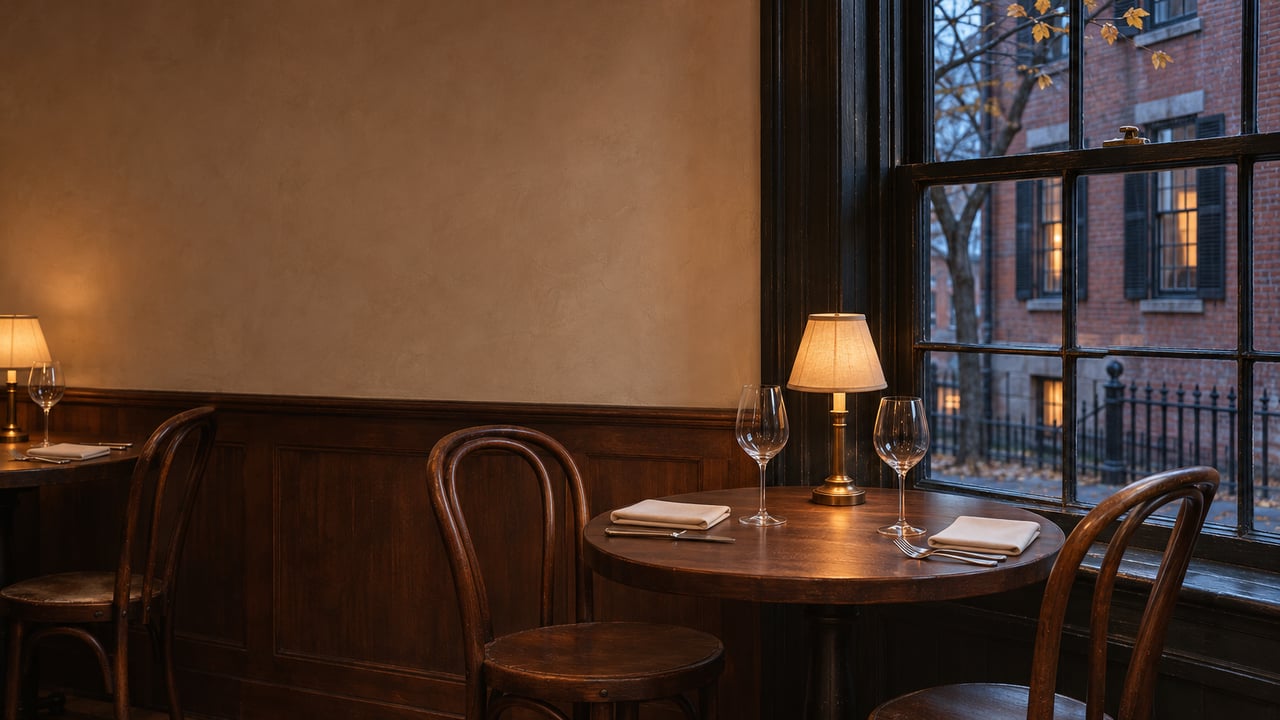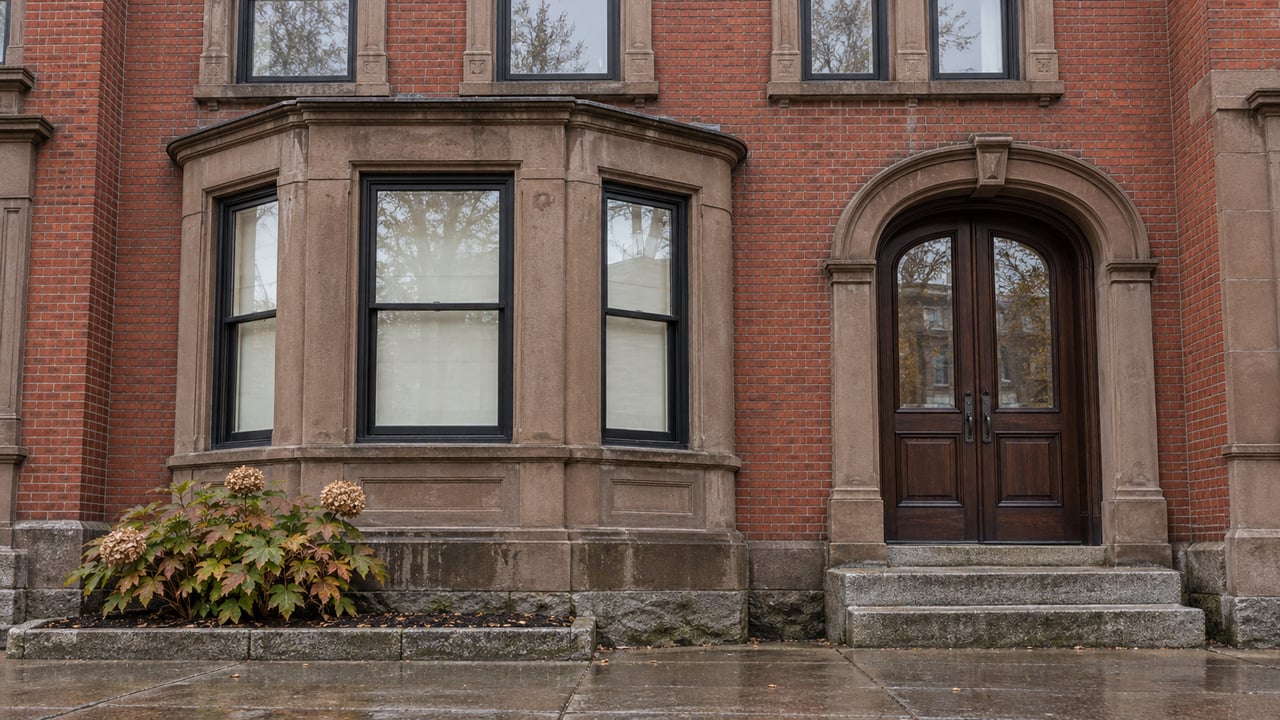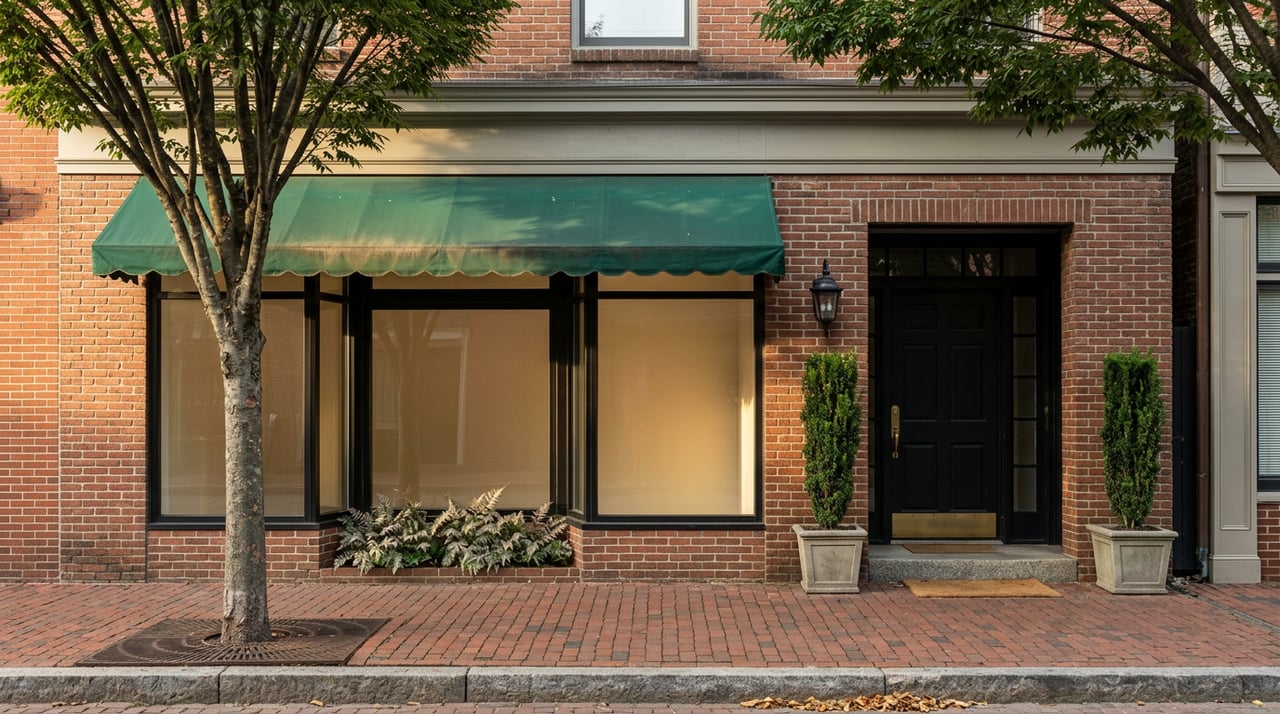
Walk the four blocks of Charles Street between Mount Vernon and Revere and you will find one new restaurant and two more planned, alongside a former dive bar mid-transformation into a fine-dining room and a hotel patio recently turned into a seasonal espresso-martini bar. None of this reads as unusual to anyone who has lived on Beacon Hill for a while. Restaurants turn over. That is what commercial blocks do.
What is unusual, if you look closely, is how much the stories of these new and planned restaurants are tied to the same two ghosts.
The Names Keep Coming Back
Ask Babak Bina why he and his partners opened Willie's this spring at 20 Charles Street, right next door to their own pintxo bar Zurito, and he does not talk about market opportunity or foot traffic studies. He talks about two restaurants that used to be there and are not anymore.
"There's a void with restaurants such as Panificio and Figs gone," Bina said in Boston Magazine.
Bina has run Bin 26 Enoteca out of the Zurito space for nearly twenty years and Lala Rokh on Mount Vernon Street for two dozen, so when he says he has a pulse on what the neighborhood wants, it is not a marketing line. Willie's, from his group BCB3 Hospitality with chefs Jamie Bissonnette and Andy Cartin, is their fifth concept in less than two years across the city, and Bissonnette has described it plainly as a neighborhood pizza joint, the kind of sit-down spot with meatballs and burrata that Charles Street had been missing since Panificio and Figs shut their doors.
That would be a tidy enough story on its own. A longtime restaurant family notices a gap, fills it. Several months after Willie's opened, a second operator confirmed plans to move into the exact physical space Figs left behind.
Willie’s Nearby, Scrappie’s at Figs
Andrew Blau built a following in South Boston with Scrappie's Pizzeria, a weekly takeout popup out of Brick Street Bagels that sells out its roughly 80 pies within seconds of going on sale. His dough incorporates a flour he makes from pulverized leftover bread sourced from Beacon Hill eateries, which means the neighborhood was already part of his supply chain before it became his address. In late July, Blau confirmed to Boston.com that Scrappie's is opening a brick-and-mortar location on Beacon Hill this fall, inside the shuttered Figs space, with a target of late September or early October.
So the same closure that Bina cited as motivation for opening Willie's elsewhere on the street is now set to be reoccupied, almost a year later, by an entirely different operator who built his reputation using the neighborhood's own castoff bread. That is not restaurant fatigue. Willie's opened elsewhere on the street, while Scrappie's is planned for the former Figs address.
The Pub With a Paper Trail
The third new arrival has a longer and stranger backstory, and it involves the kind of ownership history that only shows up when you trace a building instead of a menu.
The former Beacon Hill Pub at 149 Charles Street is becoming Harry Hare's, an English-inspired restaurant from veteran restaurateur Patrick Lyons, the operator behind Back Bay Social and Bar Enza. According to reporting from Universal Hub, the concept will trade the pub's dive-bar reputation for a quieter fine-dining room built around fish and chips, chicken pot pie, and a British-Indian menu that includes tikka masala with tandoori naan. It is set to open in early fall.
The building itself has changed hands twice since 2018, when a City Realty-affiliated group bought it as part of a broader acquisition of several historic Boston dive bars, before the pandemic closed the Beacon Hill Pub for good. Developer Ty Gupta later acquired the building and its liquor license in a deal valued at $8.3 million in 2021, and Lyons is now purchasing that license from Gupta to open Harry Hare's. The Boston Licensing Board approved the transfer in July, which is the procedural detail that finally let the project move forward after neighbors had initially worried the space would simply reopen as another version of the same pub.
That $8.3 million number is doing more work than it looks like at first glance. Boston caps the number of liquor licenses available in the city, which means an existing license attached to a building carries real value independent of the building itself. When a restaurant closes here, what often survives and gets sold is not the recipe or the lease. It is the license. That is a big part of why turnover on Charles Street tends to happen inside the same footprints again and again rather than spreading to new storefronts. The license goes where the building goes, and the building tends to stay in circulation among people who already understand what the block can support.
A Smaller Kind of Change
Not every shift on the street involves a new sign going up. At the Liberty Hotel, the bar Alibi turned its patio into a seasonal espresso-martini setup this summer, calling it Sentenced to Sip, open nightly from 5 p.m. to 2 a.m. with drinks garnished in playful ways, cookie dough included. It is a small, temporary reinvention rather than a full concept change, but it says something about the same underlying pattern: even the businesses that are not closing are treating their footprint as something to be reworked rather than left alone.
What the Turnover Is Actually Telling You
None of this means Beacon Hill's restaurant scene is unstable. Three separate operators have opened or announced plans for restaurants on the same short stretch of Charles Street within the same year. That looks less like restaurant fatigue than renewed activity on the block.
If you live here, that is the part worth knowing before your next walk down Charles Street. Willie's opened nearby after the closures of Panificio and Figs. Scrappie's is planned for the former Figs address. Harry Hare's is planned for a building whose liquor license had already survived two ownership changes since 2018.
The street looks like it is constantly changing. What is actually happening is narrower and more interesting than that. A small number of well-known addresses keep getting recirculated, which is a different thing entirely from a neighborhood that cannot keep a restaurant open.
That kind of continuity, with new restaurant concepts taking familiar addresses, is one of the quieter reasons Beacon Hill holds its character better than most Boston neighborhoods experiencing this much commercial turnover at once.
If you are curious about what any of this means for property on Charles Street or elsewhere on the Hill, from a townhouse considering the ground-floor commercial mix nearby to a condo weighing walkability against foot traffic, Hanneman Gonzales knows this block the way Bina knows his menu. Contact us for a confidential consultation.
This article is general information, not legal, tax or financial advice. Consult a qualified professional about your situation.