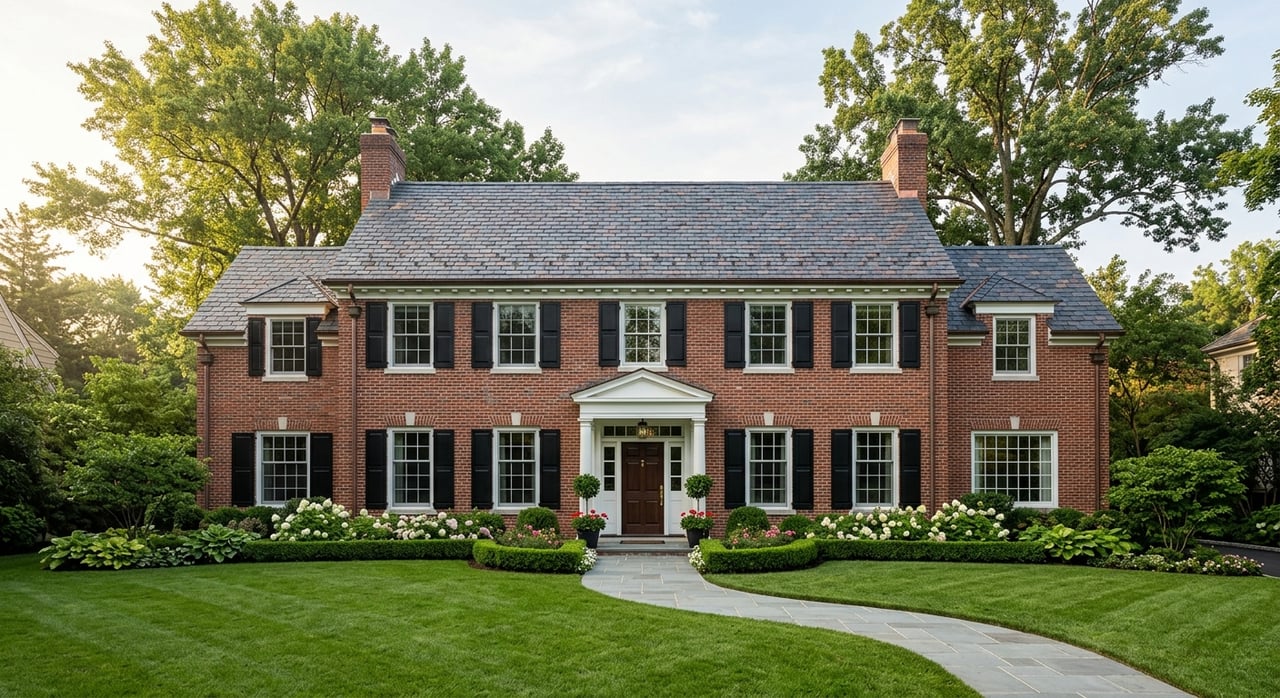
If you picture suburban luxury as long drives and isolated cul-de-sacs, Wellesley offers a different experience. In this part of MetroWest, upscale living feels more composed, connected, and rooted in place. You get a town with established village centers, mature residential streets, meaningful green space, and practical access to Boston. If you are trying to understand what daily life here actually feels like, this guide will walk you through it. Let’s dive in.
Wellesley offers a polished MetroWest setting
Wellesley sits within the MetroWest regional planning area and reads more like a compact, established suburb than a far-flung exurb. The town has a 2024 population estimate of 31,242 across 10.02 square miles, which helps explain why it feels substantial without feeling spread out.
That scale matters in day-to-day life. You are not navigating a place defined by endless new-build sprawl. Instead, Wellesley feels settled, intentional, and closely tied to its long-standing town form.
Town design guidance reinforces that impression. Wellesley’s planning framework calls for new development to respect existing village and architectural character, which helps preserve the cohesive look and feel many buyers notice right away.
Village centers shape daily life
One of the clearest signs of upscale suburban living in Wellesley is how much activity centers around distinct village nodes. Rather than relying on a single commercial strip or a purely car-only layout, the town organizes daily life around recognizable centers with their own rhythm.
Wellesley Square feels like a true town center
Wellesley Square is the town’s main commercial district, located at the intersection of Route 16, Washington Street, and Route 135, Central Street. According to the town’s design handbook, it includes more than 60 stores and restaurants, along with public landscaping and pocket parks.
That gives everyday errands and casual outings a more refined setting. Whether you are picking up essentials or meeting someone for coffee, the experience feels more curated than improvised. For many buyers, that is a major part of the appeal.
The town feels cohesive, not pieced together
Wellesley’s preservation framework adds another layer to that sense of place. The town includes the Cottage Street Historic District, five single-building historic districts, and a Neighborhood Conservation District tool for areas that may not qualify as historic districts.
The result is not just visual charm. It is a broader sense that neighborhood character is taken seriously. Historic Preservation Design Guidelines also apply to older residences outside historic districts, which supports a more consistent residential environment over time.
Residential streets feel established and private
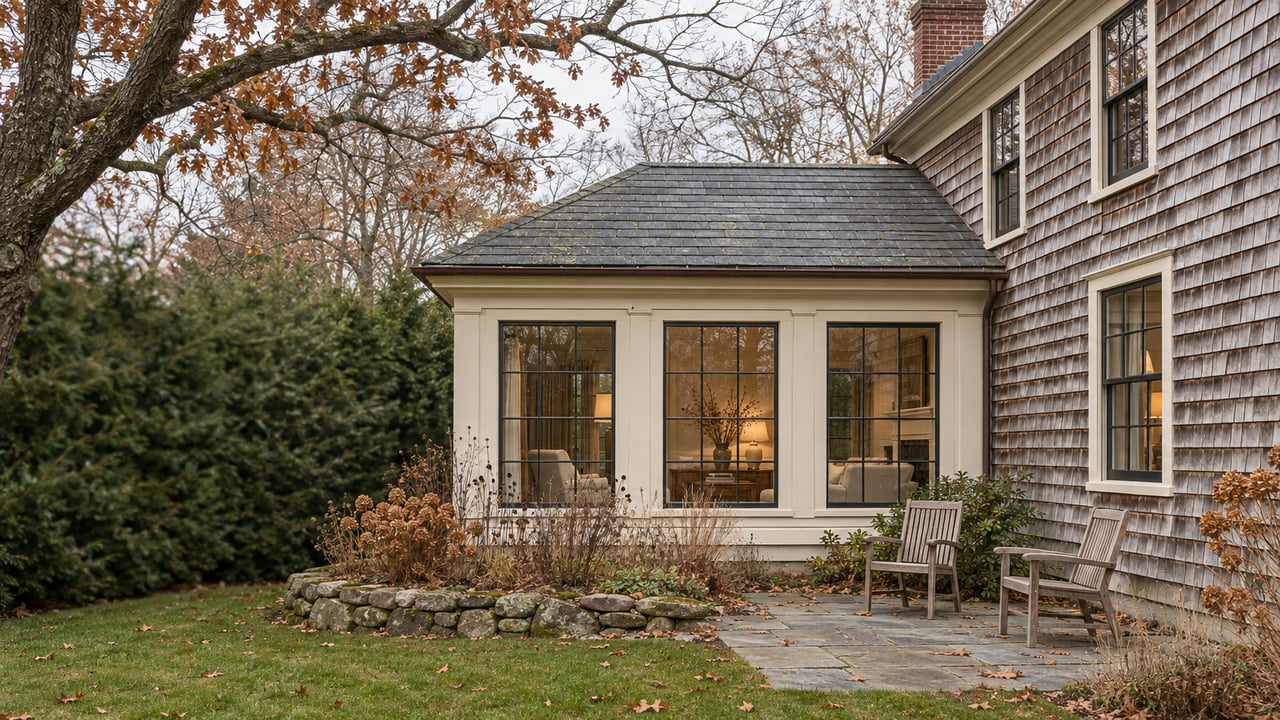
In many luxury suburbs, buyers are looking for more than square footage. They want a setting that feels calm, mature, and enduring. Wellesley delivers that through its established residential fabric.
A local Route 9 planning study describes residential stretches with old-growth trees, homes set back from the roadway, and access from side streets. That combination creates a more buffered and composed feel than you often find in newer suburban layouts.
This is part of what makes Wellesley feel upscale in a lasting way. The setting is not built around quick impressions alone. It is shaped by mature landscaping, established setbacks, and a town-wide preference for continuity.
Green space is part of everyday living
In Wellesley, outdoor access is not an afterthought. It is woven into the way the town functions and how residents move through it.
The town’s Land Conservation Plan says Wellesley has 48 miles of trails, including 30 marked miles, along with 18 parks and 14 conservation areas. About 33% of the town is open space, which gives the community a noticeably greener feel than many close-in suburbs.
That level of open space affects more than scenery. It shapes how you spend your time, how neighborhoods feel, and how quickly you can shift from a busy day to a quieter setting.
Outdoor options feel substantial
Some towns offer symbolic green space. Wellesley offers options that support real use across the year.
Morses Pond covers about 100 acres and supports swimming, boating, fishing, hiking, and ice skating. Fuller Brook Park includes a trail the town describes as popular for walking, jogging, and bicycling.
The Charles River Link adds a regional layer. This 16-mile trail connects six towns and 26 open-space sites, showing that Wellesley’s outdoor life is linked to the wider MetroWest landscape, not limited to isolated local pockets.
Commuting is flexible and realistic
For many buyers considering MetroWest, lifestyle only works if regional access does too. Wellesley stands out because it offers more than one way to connect with Boston and nearby communities.
The MBTA’s Framingham/Worcester Line provides daily rail service to and from Boston, and Wellesley has three commuter rail stations: Wellesley Square, Wellesley Hills, and Wellesley Farms. That gives residents options depending on where they live and how they prefer to travel.
Transit access goes beyond commuter rail
Wellesley also sits close to Green Line stations just outside town at Woodland and Waban. The town’s Catch Connect micro-transit service can be used to reach them, which adds another practical layer to local mobility.
Bus service also supports movement across the area. The free Route 1 bus runs along Route 9 between Natick Mall, Wellesley Square, Babson College, Mass Bay College, and Woodland Station, with weekend service and an added peak-hour bus.
Cars still play a major role
At the same time, Wellesley is still suburban in form. Town planning materials describe Route 9 as a major highway for commuters and a critical link for local travel.
That means the lifestyle here is not urban in the Boston sense. Walkability is strongest in village centers and trail corridors, while broader mobility is a blend of rail, bus, and car travel. For many buyers, that balance is exactly the point.
What upscale suburban living feels like here
In practical terms, upscale suburban living in Wellesley feels structured, calm, and highly functional. You have recognizable centers for shopping and dining, residential streets that feel established, abundant outdoor space, and direct regional connections that keep Boston within reach.
It is not a lifestyle built around constant density or all-day street activity. Instead, it offers a more measured rhythm, where architecture, landscape, and infrastructure work together to create a polished everyday experience.
That distinction matters if you are comparing Wellesley with either urban Boston neighborhoods or more distant suburban towns. Wellesley offers a middle ground that many luxury buyers find compelling: refined but not remote, suburban but still connected.
Why this matters for buyers and sellers
If you are buying in Wellesley, understanding these patterns helps you evaluate more than the home itself. The feel of the village center, access to trails and open space, and proximity to commuter options all shape long-term lifestyle value.
If you are selling, those same traits help define how a property should be positioned. In a market like this, presentation is not only about finishes or square footage. It is also about showing how a home fits into the town’s established character and daily convenience.
For a luxury property, that context can be especially important. Buyers are often choosing a complete living environment, not just an address.
If you are considering a move in Wellesley or elsewhere in MetroWest, Hanneman Gonzales offers discreet, design-aware guidance tailored to distinctive properties and high-touch client needs.
FAQs
What does upscale suburban living in Wellesley feel like day to day?
- It typically feels centered around village hubs, established residential streets, regular access to parks and trails, and practical connections to Boston by rail, bus, or car.
What makes Wellesley different from a more sprawling suburb?
- Wellesley is relatively compact at 10.02 square miles, with defined centers, mature neighborhoods, and planning guidance that supports existing village and architectural character.
What outdoor amenities are available in Wellesley?
- The town has 48 miles of trails, 18 parks, 14 conservation areas, and recreation areas such as Morses Pond and Fuller Brook Park.
What transportation options are available in Wellesley for Boston commuters?
- Wellesley has three commuter rail stations on the Framingham/Worcester Line, access to nearby Green Line stations via Catch Connect micro-transit, and local bus service along Route 9.
What gives Wellesley its cohesive neighborhood feel?
- The town’s design guidance, preservation framework, historic districts, conservation tools, and established residential streets all contribute to a more consistent and settled sense of place.