Do you notice brick patterns, cornices, and the way a street feels underfoot before you even step inside a home? If so, you are a design-focused buyer. You care about architecture, materials, streetscapes, and the lived experience of a neighborhood. In this guide, you will see where buyers like you choose to live in Boston, what each area offers, and the practical trade-offs to consider. Let’s dive in.
How design-minded buyers choose
Architectural identity first
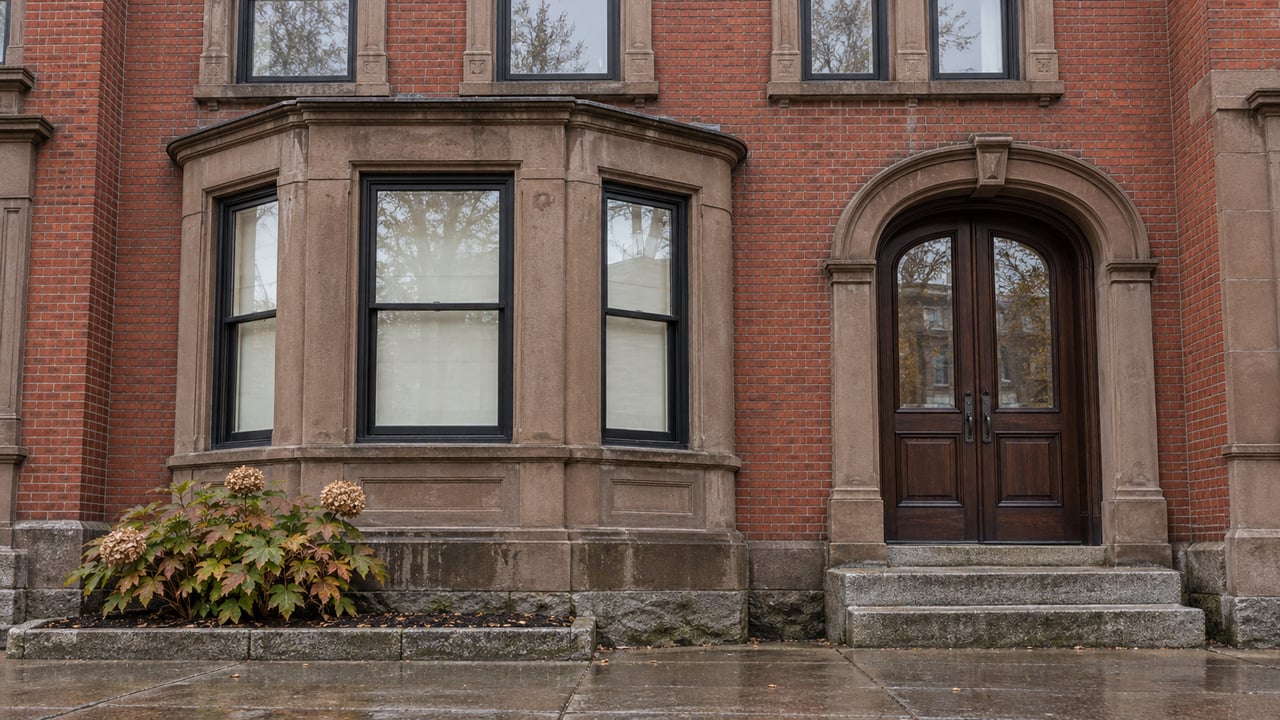
You likely want a clear architectural language. Boston offers beautiful Federal and Victorian rowhouses, raw warehouse lofts, and glass-and-steel towers. Details matter: original woodwork, wide-plank floors, exposed brick, and mansard roofs, or modern curtain-wall systems and minimal finishes.
Streetscape and scale
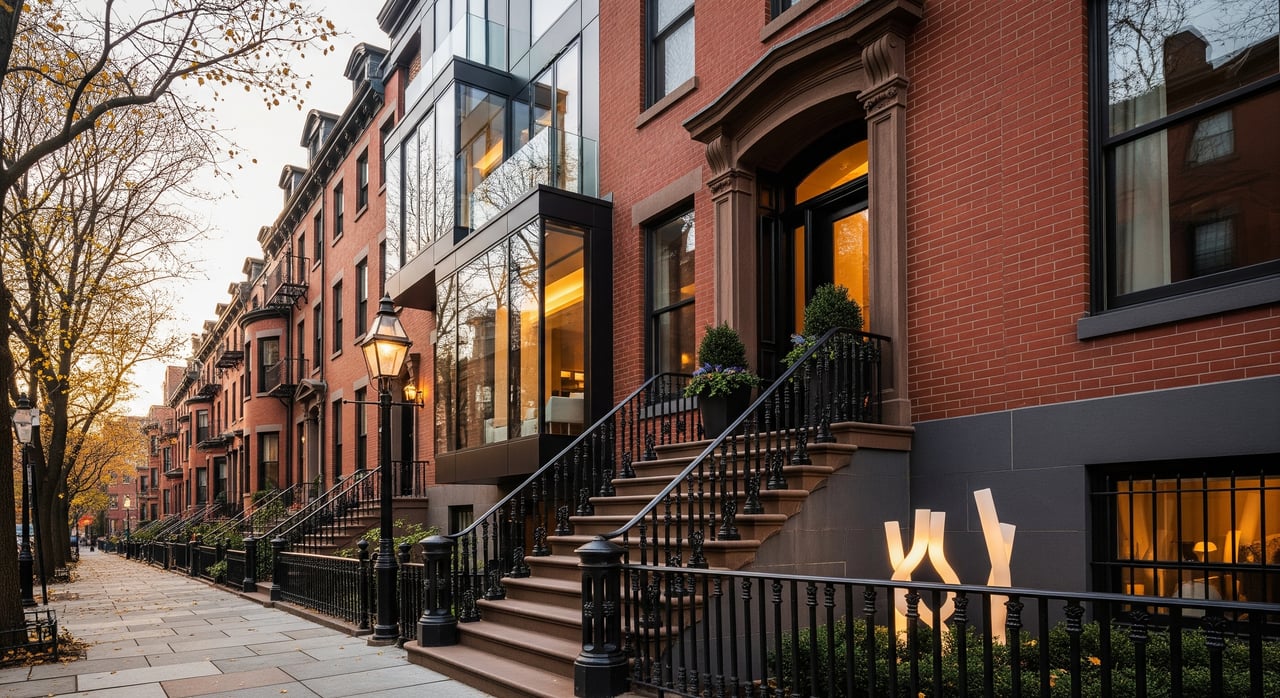
The feel of the block is as important as interior finishes. Tree-lined boulevards, landscaped medians, gas lamps, narrow alleys, and waterfront promenades all shape daily life. Some buyers favor quiet, human-scale streets. Others want open harbor views and striking skyline contrasts.
Adaptive reuse or new construction
You can choose the bones of a historic loft or the polish of a new tower. Fort Point’s brick warehouses bring heavy timber, tall windows, and open floor plates. Seaport residences offer sleek amenities and contemporary design. Your decision often comes down to texture and volume versus gloss and convenience.
Lifestyle and culture nearby
Design buyers value walkability to galleries, museums, artisan shops, and excellent cafés. SoWa’s art and design scene, Newbury Street’s showrooms, the ICA on the waterfront, and the MFA and Isabella Stewart Gardner Museum create an ongoing creative ecosystem.
Boston neighborhoods by design style
Beacon Hill: Federal-era authenticity
Design draw: Intimate, meandering streets with brick rowhouses, fanlights, ironwork, and narrow stoops. The streetscape is remarkably intact and pedestrian-focused.
Property types: Rowhouses, small brick townhouses, and boutique condos carved from larger homes.
Practical note: Inventory is scarce, and exterior changes are highly regulated by preservation rules. Mechanical upgrades in narrow historic homes can be complex.
Back Bay: Victorian grandeur and order
Design draw: A “museum-quality” streetscape. Commonwealth Avenue Mall, consistent cornice lines, and refined Victorian and stone rowhouses. Newbury Street adds design retail and galleries.
Property types: Renovated brownstones, condominium conversions, luxury flats, and select newer towers on the eastern edge.
Practical note: Expect premium pricing and limited parking. Historic districts mean exterior alterations require review.
South End & SoWa: Victorian fabric meets arts energy
Design draw: Elegant brownstones around garden squares balanced with an industrial-loft edge in SoWa. A strong arts scene, galleries, design shops, and restaurants create street-level energy.
Property types: Brownstones, duplexes, loft conversions in former industrial buildings, and contemporary infill condos.
Practical note: Active neighborhood and preservation groups guide development and renovations. SoWa events reinforce the design culture on weekends.
Fort Point & Seaport: Loft bones and glass towers
Design draw: Fort Point’s warehouse lofts feature heavy timber, large windows, and open volumes. The Seaport brings modern architecture, harbor and skyline views, and high-end amenities near cultural anchors like the ICA.
Property types: True lofts, luxury condominium towers, mixed-use developments, and boutique hotels.
Practical note: Some waterfront parcels are in flood-prone zones. Investigate elevation, building-level mitigations, and insurance. Review condo reserves, finishes, and developer track records.
North End: Dense brick and village scale
Design draw: Historic brick buildings, Italianate influences, and narrow lanes near the harbor. The fabric is authentic and intimate.
Property types: Brick rowhouses, small multi-family buildings, and condo conversions.
Practical note: Interiors run smaller and parking is limited. Vibrant streets reward buyers who value character and walkability.
Charlestown & Navy Yard: Harbor edge and history
Design draw: Federal and Greek Revival rowhouses around Bunker Hill, plus the Navy Yard’s converted dockside buildings. A quiet, historic village feeling with water views from newer condominiums.
Property types: Rowhouses, townhouse-style condos, loft-style units in converted industrial structures, and new waterfront condos.
Practical note: Waterfront addresses may carry flood and insurance considerations. Newer associations at the Navy Yard bring modern amenities.
South Boston & City Point: Classic stock, modern additions
Design draw: Traditional triple-deckers and brick near the waterfront sit beside contemporary infill and new condo projects. Some developments feature minimalist interiors and strong views.
Property types: Renovated houses, new waterfront condos, and reimagined industrial spaces.
Practical note: It is a fast-evolving area with active development. Check planned projects and BPDA approvals to understand future construction and neighborhood changes.
Fenway & Kenmore: Culture-rich and convenient
Design draw: Early 20th-century brick apartment buildings and new infill near major institutions. Proximity to the MFA, the Gardner, Symphony Hall, and parkland appeals to culture-forward buyers.
Property types: Classic apartments converted to condos, townhouse conversions, and contemporary condos.
Practical note: University and institutional activity influences inventory and rentals. Expect a mix of historic charm and modern development.
East Boston: Contemporary waterfront views
Design draw: Unobstructed skyline vistas of downtown Boston from newer waterfront projects. A mix of maritime industrial heritage and modern condominiums.
Property types: Waterfront contemporary condos, loft conversions, and single-family homes on hillier blocks.
Practical note: Consider airport proximity and sound insulation, plus flood zones and local resiliency plans when evaluating addresses.
Practical trade-offs to weigh
- Historic district rules: Many core neighborhoods require review for exterior changes. Your windows, stoops, and masonry may need commission approval.
- Renovation complexity: Older masonry homes often need electrical, plumbing, heating, and insulation upgrades. Plan for specialists in historic fabric and potential lead-paint considerations.
- New-construction realities: Amenities and warranties are valuable, but study HOA reserves, potential assessments, finishes quality, and the developer’s record.
- Flood risk and resiliency: Waterfront buildings can sit in FEMA flood zones. Ask about building elevation, flood barriers, and insurance requirements.
- Energy performance: Historic homes may need creative retrofit approaches to improve thermal comfort while preserving character.
- Transportation and access: Proximity to South Station, North Station, the Back Bay station, Seaport transit, and bike routes can shape daily life.
- Cost of ownership: Expect higher maintenance in historic properties and higher HOA fees in luxury towers. Well-preserved historic districts often show strong long-term value due to scarcity and character.
Quick buyer checklist
- Identify your priority: intact historic detail, adaptive-reuse loft volume, or contemporary tower amenities.
- Walk the block at different times of day to assess streetscape, light, and noise.
- Verify local historic district status and typical approval timelines before you plan exterior changes.
- For waterfront properties, review flood maps, building mitigation measures, and insurance needs.
- In older homes, budget for systems upgrades with historic-savvy trades.
- In new buildings, review condo documents, reserves, and developer history.
- Map your lifestyle: museums, galleries, design retail, cafés, and transit.
Where we help
You deserve an advisor who understands both architecture and the market. Our team specializes in Boston’s design-rich neighborhoods, from South End brownstones and Back Bay flats to Fort Point lofts and Seaport towers. We pair local authority with discreet, high-caliber marketing to surface the right options, including curated off-market and coming-soon opportunities.
If you are weighing historic authenticity against modern convenience, or a loft’s flexible volume against a tower’s amenities, we will help you model the trade-offs and secure the right home on the right street. For confidential guidance tailored to your design goals, connect with Hanneman Gonzales.
FAQs
Which Boston neighborhoods offer the strongest historic architecture?
- Beacon Hill, Back Bay, and the South End feature intact Federal and Victorian rowhouses with preserved streetscapes and active historic districts.
How strict are preservation rules in Beacon Hill, Back Bay, and the South End?
- These areas have commissions that review exterior changes like windows and facade work, so plan for approvals and timelines before altering the exterior.
What should I know about flood risk in Seaport, Fort Point, East Boston, and Charlestown?
- Parts of these waterfront areas fall within flood-prone zones, so confirm elevation, building-level mitigation measures, and flood insurance requirements.
Are loft conversions good for open-plan living in Boston?
- Yes, Fort Point and SoWa lofts offer large windows, high ceilings, and flexible layouts that suit open-plan designs while retaining industrial character.
How do HOA fees in new towers compare with historic condos?
- New luxury buildings often have higher HOA fees due to amenities, while historic conversions may have lower fees but higher individual maintenance costs.
How does neighborhood character impact resale value in Boston?
- Well-preserved historic districts tend to show strong long-term value because of scarcity and consistent streetscape quality, which many buyers prioritize.